
WHO warns that the Ebola outbreak in Congo could become the largest in history
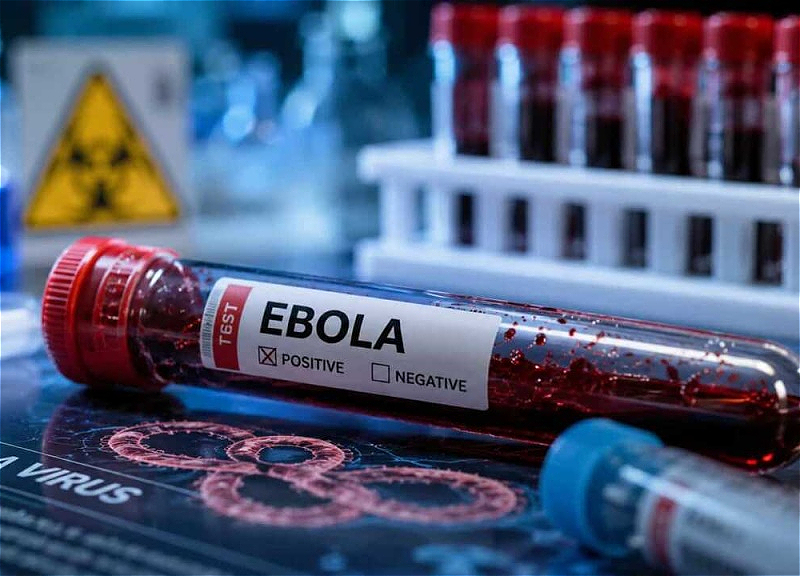
The current outbreak of Ebola fever in the Democratic Republic of the Congo may turn out to be larger in scale than the deadliest epidemic of this disease, which occurred in West Africa in 2014–2016.
This was stated by the Director-General of the World Health Organization, Tedros Adhanom Ghebreyesus.
According to him, if the spread of the virus continues at the current pace, the 2026 outbreak could surpass the figures of the epidemic that became the largest in the recorded history of Ebola. During it, at least 11,000 people died in Guinea, Liberia, and Sierra Leone.
“At the current rate,” the present outbreak could “eclipse” the 2014–2016 epidemic, Tedros said, speaking to journalists.
The authorities of the Democratic Republic of the Congo officially announced the new outbreak on May 15. To date, at least 4,300 cases of infection have been identified, and more than 2,000 people have died. At the same time, specialists believe that the epidemic actually began significantly earlier than the official announcement.
As health officials reported this week, the first cases may have appeared at least three months before the authorities announced the outbreak. This means that the virus had time to spread among the population before a full-fledged epidemiological response system was launched.
The World Health Organization stated that it expects to bring the spread of the disease under control within the next three months. At the same time, the WHO separately emphasized that this refers specifically to halting active transmission of the virus and containing the epidemic, not to the complete disappearance of the disease.
The current outbreak has another distinctive feature: it is caused by a rare species of the Ebola virus — Bundibugyo. Until now, this variant of the virus has caused only two known outbreaks, in 2007 and 2012.
Bundibugyo differs from the variant of the virus that was responsible for the largest epidemic of 2014–2016. Moreover, according to the data presented, there is currently no approved vaccine or recognized therapeutic drugs against it that can directly cure the disease it causes.
Additional difficulties are created by the security situation in the region where the virus is spreading. The eastern part of the Democratic Republic of the Congo has long remained a zone of regional instability, which complicates the work of medical organizations and specialists’ access to people who may be infected.
Because of this, epidemiological control remains extremely limited. According to Janabi, medical workers are currently covering only about 30% of cases.