Mehraliyeva: School is a temple of knowledge, not a religious temple
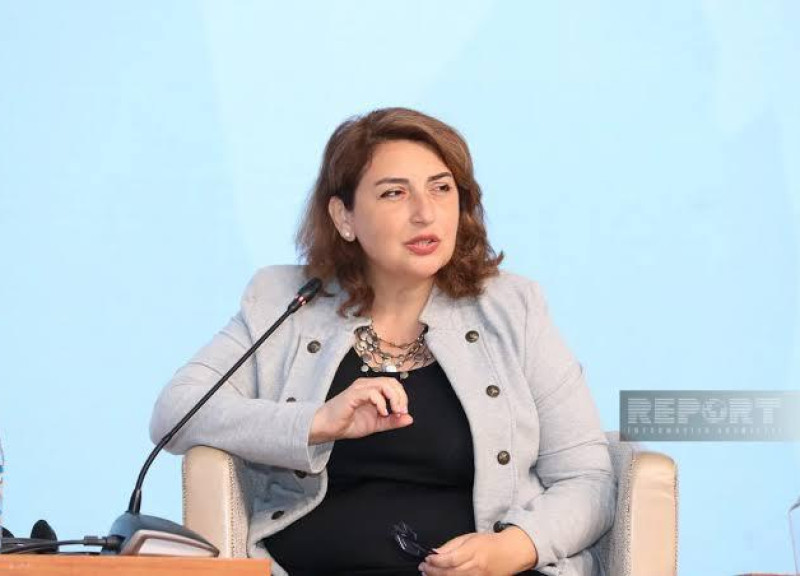
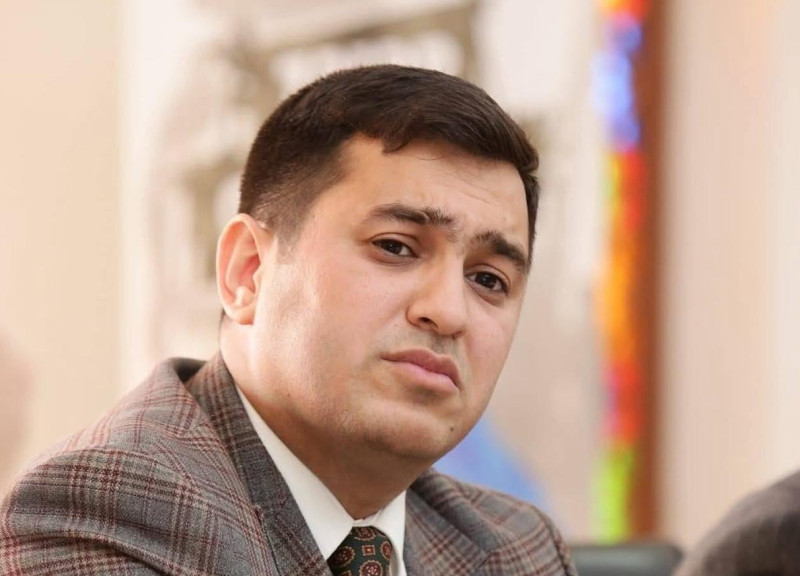
Parents in Azerbaijan have one primary obligation, to secure their children's compulsory education, whatever the family's religion, Shafag Mehraliyeva, program director for Communication and Digital Media at ADA University, member of the Supervisory Board of the Media and Broadcasting Council of the Republic of Azerbaijan, wrote on Facebook amid the debate over school uniforms.
That duty does not stop parents from raising their children in the spirit of their own beliefs, Mehraliyeva wrote. She is a faculty member of the School of Public and International Affairs at ADA University and sits on the supervisory board of Azerbaijan's Media Development Agency (MEDIA).
The discussion should rest on legal foundations rather than on examples, she wrote. Looking at the experience of other countries is useful, but copying it without adapting it to local conditions rarely produces good results, she wrote. Independence means policy is not transferred but created to match the aims of the people, she added.
Azerbaijani legislation treats a person under 18 as a child who does not have full legal capacity and whose rights are represented by parents or guardians, she wrote. Two of that child's fundamental rights, the right to education and the right to religious freedom, both complement each other and from time to time produce legal and social clashes.
Education is the base for the development of the individual, for integration into society and for the exercise of every other right in the future, including religious freedom and political, civil and social rights, she wrote. Religious freedom covers the right to choose or change a religion or to follow none, but where children are concerned it turns into the parents' choice to bring up a child in line with their own religious or philosophical convictions.
Parental will and the obligation of the state can collide there, she wrote. Parents may refuse to send children to school on religious grounds or keep them out of particular lessons such as biology, sex education, physical education or the history of world religions.
Under the UN Convention on the Rights of the Child, the criterion of the best interests of the child is reflected in the right to education, she wrote. A parent or anyone else who limits a child's right to education by imposing their own choices on the child is not pursuing those interests.
"School is a temple of knowledge, not a religious temple," she wrote.
Addressing parents who fear their children will be treated in school as immoral or ill-mannered if their heads are not covered, she wrote that decades of the harsh Soviet regime banning religion did not stop the people of Azerbaijan from preserving faith in their hearts, their homes and their morals. When the choice is put as education or religion, the right to education, access to it and its provision take precedence and are compulsory, she wrote.
She closed with an example of her own, saying she had a number of Christian friends and acquaintances who spent their childhood in religious schools abroad and that not one of them described those years as a good experience. Where a person does not choose their own identity and it is imposed under pressure by parents, guardians and the surrounding environment, that conviction will not last, she wrote.
She also asked readers not to reply that their child made the choice alone, since for that a minor would have to be emancipated through the courts and formally declared free of the control of parents or guardians.