Rasim Musabekov: Having lost the fight against women at home, Iran's authorities hope in vain for revenge in Azerbaijan
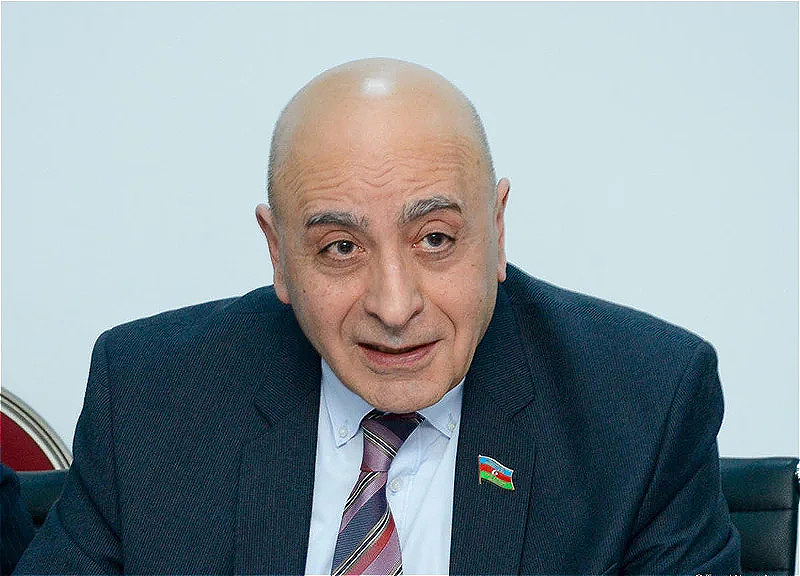
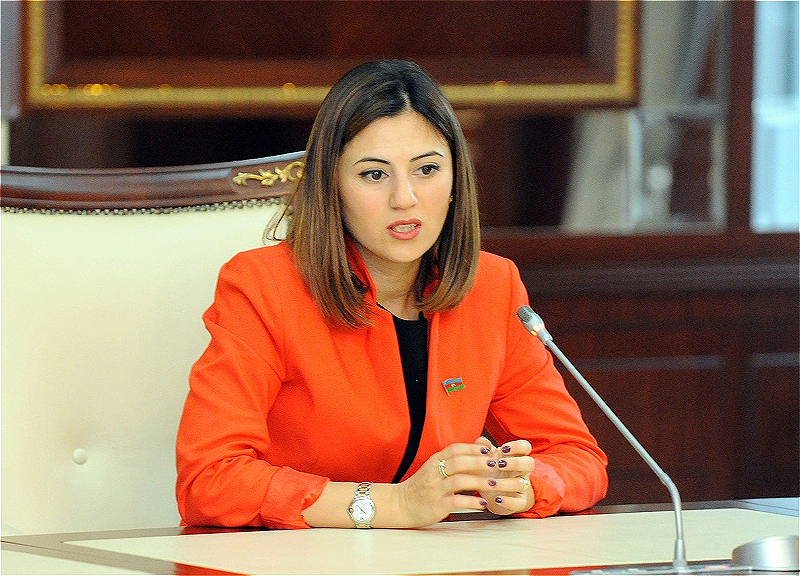
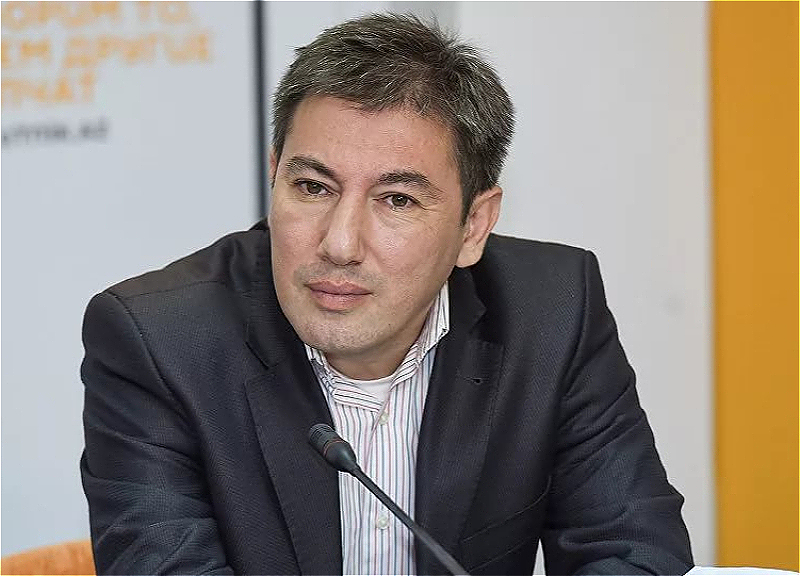
The negative reaction of certain groups to the implementation of the decision to unify school uniforms in Azerbaijan was to be expected, but attempts by external forces to destabilize the situation in the country using these groups are doomed to fail, Milli Majlis deputy and political analyst Rasim Musabekov told 1news.az.
"The government's decision to introduce a unified school uniform quite predictably caused discontent among certain circles both inside Azerbaijan and in neighboring countries — primarily in Iran, and, unfortunately, in certain pro-Iranian structures in brotherly Turkey — which finds an outlet in the form of various actions. I think we had to be prepared for such a development of events, and I believe that Azerbaijan and our relevant structures are strong enough to counter such actions," the deputy noted.
At the same time, he drew attention to the fact that in Iran itself, clerical circles have already lost the fight to compel all women to wear headscarves.
"A significant part of Iranian women today are freeing themselves from headscarves, from the oppression into which the Islamist regime has driven them. And now, apparently, in Iran they believe they can take revenge on the territory of Azerbaijan. They think so in vain. Testing the Azerbaijani authorities' resolve has never brought anyone dividends. I think it will be the same in this case as well," R. Musabekov said.
He noted that media resources affiliated with Iranian structures use any pretext to organize some kind of interference in Azerbaijan's internal affairs, to rock the situation in the country: "So they have latched onto this case with hijabs. But I think that all these structures, their work and activity in Azerbaijan have long been under control, and the Azerbaijani authorities have sufficient resources to neutralize them."
The political analyst explained that Iran regards the countries it considers Shiite as a sphere of its exclusive influence: "Although most of Azerbaijan's population, as far as I recall the polls, does not associate itself with either Shiism or Sunnism: they consider themselves simply Muslims. And only about two-thirds position themselves as Shiites, and one-third as Sunnis. But on the whole, the majority of Azerbaijan's population adheres to a secular way of life and, generally speaking, is not distinguished by particularly heightened religiosity."
As R. Musabekov noted, Azerbaijan as a secular state is "a thorn in the side of neighboring Iran."
"Azerbaijan demonstrates that life — in society, in the state — can be organized not at all according to the model that today is under the heel of religious functionaries in Iran. So they view Azerbaijan's secular model almost as a challenge to their own project of a religious state headed by a religious authority.
Religion has its own place in Azerbaijan. Ours is a Muslim country, but our state is secular. And despite the efforts of whatever external forces, I believe that it is precisely this model of a secular state that meets the interests of the overwhelming majority of the country's population and the traditional Azerbaijani model of statehood," the parliamentarian stressed.
He stated that attempts to create sources of tension inside Azerbaijan have existed, do exist, and will exist. Here, in his opinion, what matters is the state's ability to respond to and neutralize such threats to internal security.
"That Tehran has used any pretext to try to mark its presence in Azerbaijan is no secret. At one time a certain Ojag Nejat was based here (an Iranian religious figure, former representative of the deceased Supreme Leader of Iran Ali Khamenei in Azerbaijan from 1996 to 2021 — ed.), who imagined himself to be almost the chief viceroy of Iran in the entire Caucasus. And that was it — he packed up and retreated from here when his unlawful activity became the subject of actions by our relevant structures (in October 2021, amid the strengthening of measures against Iranian intelligence and propaganda networks, his office in Baku was closed by law enforcement agencies — ed.). So we have not allowed and will not allow anyone to take liberties here. No matter who puffs up their cheeks in Iran, and not only in Iran, anywhere — it does not matter. Azerbaijan is a secular state. Whether someone likes it or not, these are the realities of Azerbaijan, and everyone will have to reckon with them. This is the traditional model," R. Musabekov pointed out.
He recalled that at the dawn of the independence of the Azerbaijani state, minors were "taken out of it by the thousands to Iran to study in religious schools."
"They were trained as, let's say, latent agents. Some of them were returned to Azerbaijan. They covertly did not even directly engage in religious activity, waiting for the appropriate command and hour. So this policy, unfortunately, is not news, and I think our relevant structures have long been tracking this activity and, if necessary, taking measures to neutralize such plans — to form their own political-religious agent network out of minors on the territory of Azerbaijan.
Attempts to exert pressure and test the strength of the existing state system and the model of interaction between the state and religious structures operating here have been made more than once before, and just as many times they have been put to shame. The Azerbaijani secular model is solid; attempts to use religious feelings against Azerbaijan's statehood are futile. And if these attempts take on a dangerous character, they will be suppressed quite harshly. And let no one have any doubts or illusions on this score," Rasim Musabekov concluded.