Trump refuses to apply a number of 'sanctions from hell' against Russia
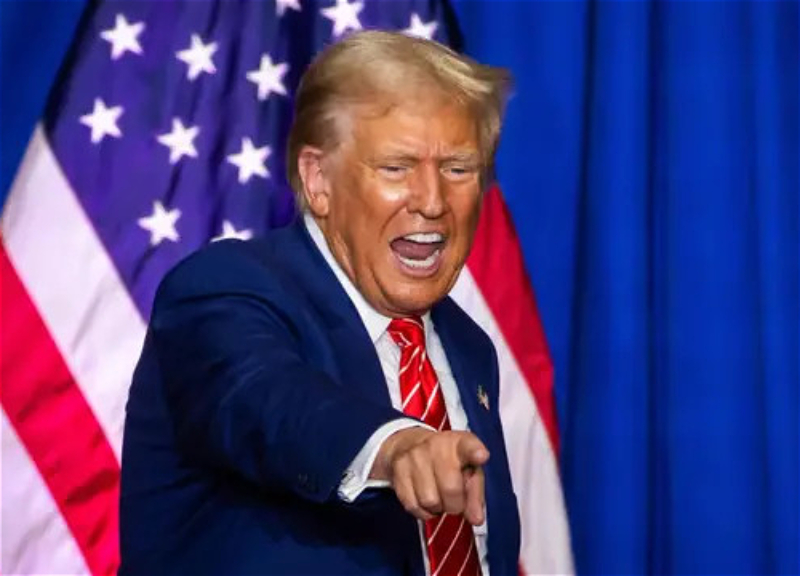
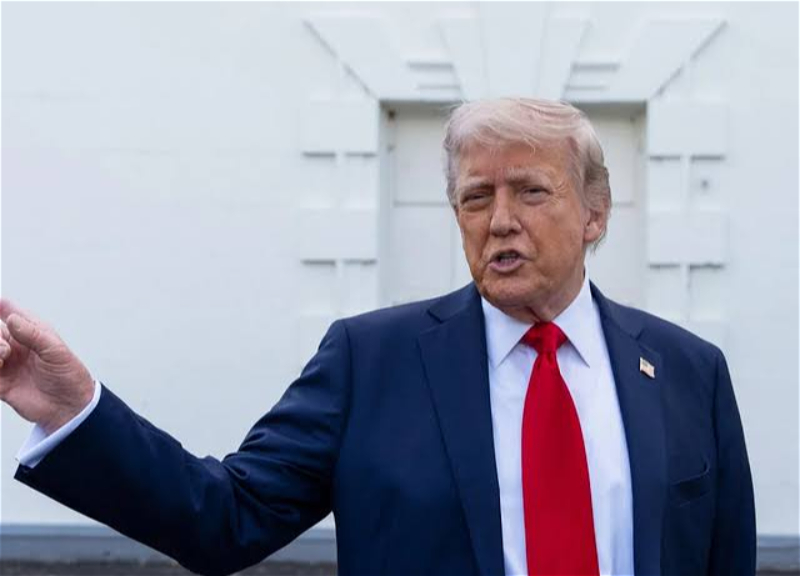
U.S. President Donald Trump has ordered that a number of sanctions, restrictions, and tariffs provided for by the law on sanctions against Russia and Iran not be applied. The corresponding executive order, dated October 16, has been published on the White House website.
"I hereby waive the application of such sanctions, restrictions, and duties provided for in the [late Senator Lindsey] Graham law. I have submitted to Congress a certification that issuing such a waiver is currently in the national interests of the United States," the document states.
Trump continued: "I hereby waive the application of any duties provided for by Sections 112 and 113 of the Graham law or by this executive order." Among these measures are additional tariffs of 500% on Russian goods and 100% on goods from countries that are among the five main buyers of Russian oil and gas, as well as from countries most actively facilitating the circumvention of oil sanctions.
The exemptions will remain in effect until the president or the secretary of state, after the stipulated consultations, deem further measures necessary. At the same time, the executive order explicitly stipulates that previously effective sanctions against Russia, imposed by other presidential orders, remain in force.
The executive order also provides that the tariffs for the five largest buyers of Russian oil and gas are to apply to countries that knowingly make new purchases starting October 18, 2026. However, the application of these tariffs is waived by the same document. The U.S. Trade Representative has been instructed to monitor purchases and the facilitation of sanctions circumvention, to report regularly to the president, and to recommend further actions, including with respect to the exemptions granted.
The basis for not applying the measures was Section 115 of the Lindsey Graham law, which allows the president to introduce such exemptions in the national interests of the United States after submitting a written justification to Congress.
The initial version of the bill was introduced in April 2025 by Senators Graham, a Republican, and Richard Blumenthal, a Democrat. After negotiations with the White House, the document was substantially reworked. In particular, the maximum secondary tariffs for buyers of Russian energy resources were lowered from 500% to 100%.
On August 7, the bill was approved by the Senate, and in September by the House of Representatives: 262 congressmen voted in favor, and 159 against. Trump signed the law on September 18.
In addition to tariffs, the law provides for sanctions against high-ranking Russian officials, state structures, banks, entrepreneurs, enterprises, and shadow fleet vessels, restrictions on investments and financial transactions, as well as measures concerning imports of Russian uranium. The administration was supposed to impose most of the key restrictions no later than 30 days after the law entered into force.
Source: RBC