
Armenian banks start limiting ruble deposits into accounts
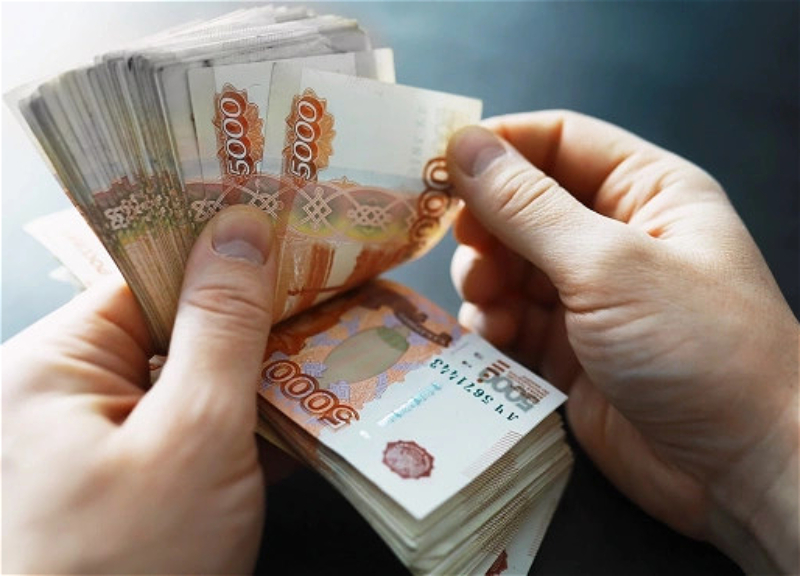
Banks of countries that are members of the Eurasian Economic Union (EAEU) have been tightening the conditions for depositing cash rubles into accounts since June, writes RBC.
Some banks in Armenia have completely suspended operations with cash rubles, including their deposit into accounts, but non-cash settlements continue to be carried out under the previous conditions.
In Belarus, at least eight credit organizations have introduced a commission for such an operation in the amount of 2–5%. These are Alfa-Bank, Belarusbank, BelVEB, BNB-Bank, MTBank, Sber Bank, Technobank and Zepter Bank, the publication writes.
In Kazakhstan, CenterCredit (BCC) also introduced a 5% commission for accepting cash through cash desks, terminals and ATMs. In Kyrgyzstan, EcoIslamicBank set a similar rate for SWIFT transfers.
RBC's sources in the financial market noted that EAEU banks faced an excess of Russian national currency. Thus, according to the National Bank of Kazakhstan, in April, exchange offices of the republic purchased 6.5 billion rubles for 39.8 billion tenge, and in May — 4.7 billion rubles for 30 billion tenge. Processing cash requires storage, transportation and verification of authenticity, and demand for rubles abroad is often absent, which makes such operations unprofitable for local banks.
Meanwhile, since April 1, a decree of the President of the Russian Federation has been in effect, limiting the export of cash to EAEU countries to an amount exceeding $100 thousand. The Federal Customs Service explained the tightening by the growth in cases of exporting large ruble sums.