The "Yüksəliş" competition and the search for Azerbaijan's strategic advantages – how to become a new centre of influence in the region?
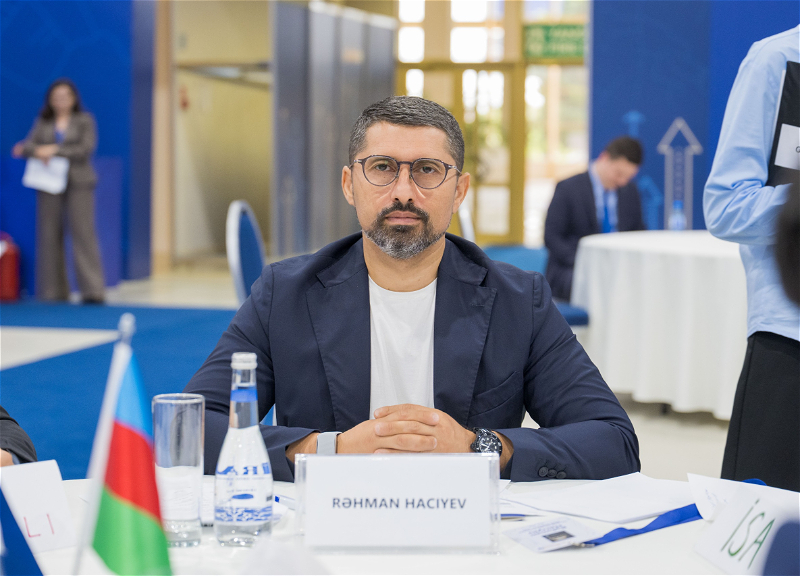
Rahman Hajiyev, Chairman of the Board of the Karabakh Revival Fund, has shared his impressions of taking part as a mentor in the final of the VI "Yüksəliş" ("Ascent") competition.
R. Hajiyev shared his thoughts on the occasion in a post on social media. We present that post without changes.
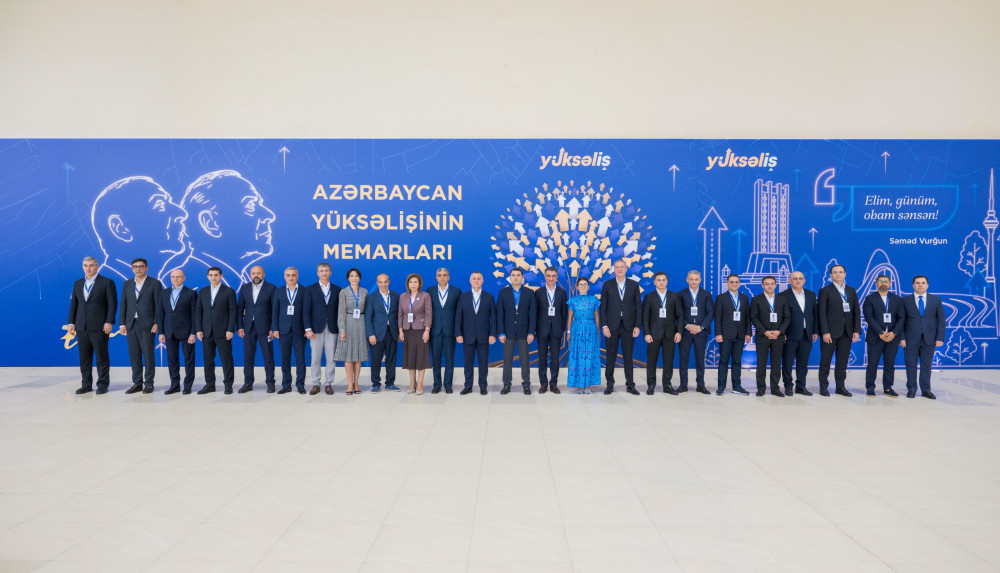
This past weekend, I served as a mentor in the finals of the VI Yüksəliş Müsabiqəsi (“Ascent”) competition.
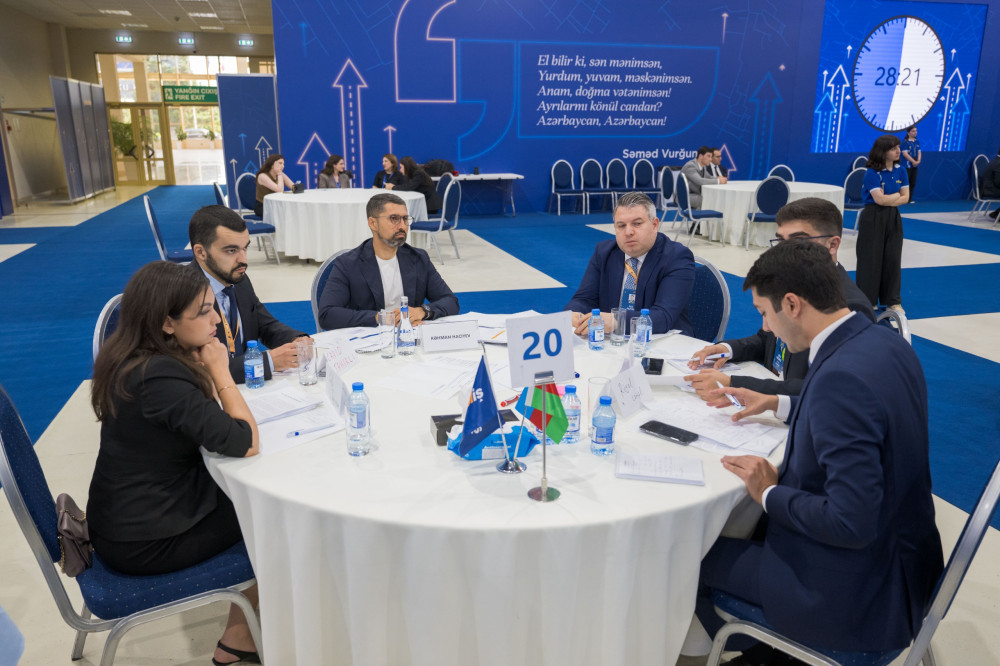
The superbly organised final traditionally centres on a serious case study: the finalists, split into teams, work through a strategic problem together with mentors — leaders of state institutions and major companies. At the end, the mentor assigned to each table selects one participant and awards them a score.
This time the case sounded deceptively simple: in which directions can Azerbaijan become a regional centre of influence, and what real value does that choice create for the country?
The hard constraint: don’t list good ideas — choose just two concrete directions and defend that choice.
As the work unfolded, it became clear that the whole discussion came down to a single divide: transit, or ownership of the system?
You can be a road — collecting a fee for passage and waiting until someone builds cheaper infrastructure nearby. Or you can become the hub through which energy, data and goods not only pass, but on whose platform the deals themselves are struck. In other words, not merely earning on transit, but setting the rules of that flow.
Hence the question that proved most productive: are we paid because something “drove through” us, or because without us the deal simply cannot happen?
In the end, two directions crystallised — at the intersection of the China–Europe and Caspian–Europe axes.
The first — a green energy hub: Azerbaijan should not merely produce and transmit clean energy, but manage its market — buying from producers (its own plus Central Asia), selling to the EU and other markets under firm agreements, certifying “green” origin, and allocating access to the cable.
The second — a digital corridor platform that runs the entire logistics of the Middle Corridor (a single window for customs, document processing, shipment tracking, settlement of deals, and so on).
Why this particular pair?
Both directions lie on the same axis and rely on the same institutions — they reinforce each other rather than competing for resources.
What impressed me most was not only the logic but the candour of the finalists at my table: these young professionals named our weak link themselves — the shortage of qualified talent; the very gap that the “Yüksəliş” competition exists to fill.
Choosing a winner was, as always, genuinely hard — the table brought together professionals equally deserving of the win. I had to award the score with a heavy heart, but such are the rules: someone has to win, even when everyone is equal.
In closing, I can say with confidence: every year I am reminded that the quality of these finalists is, in itself, a strategic asset for the country.