How SOCAR transformed a fertilizer leader in Azerbaijan with industrial AI
As one of the largest energy companies in Eurasia, Azerbaijan’s SOCAR operates across the end-to-end energy value chain including oil and gas exploration and production, refining, chemicals, distribution and transportation, fuel retail, and renewables. SOCAR has a footprint in more than 15 countries and contributes to sustainable development and energy security locally, regionally, and internationally by enhancing its long oil and gas heritage with advanced technology and competencies.
From hydrocarbon dependence to digital-led competitiveness
SOCAR recognized that long-term competitiveness—for both the company and Azerbaijan—could not rely on scaling hydrocarbon production alone, and that innovation would be key to improving productivity. As part of its 2035 strategy, it made digital transformation a core pillar, looking to modernize operations, strengthen non-oil industries, and build world-class technical capabilities.
The journey began at two SOCAR sites in Türkiye. Those efforts, in partnership with McKinsey, earned global recognition through two World Economic Forum (WEF) Digital Lighthouse awards in 2020 and 2021. The sites are recognized as the first petrochemical plant and first refinery to win the award globally.
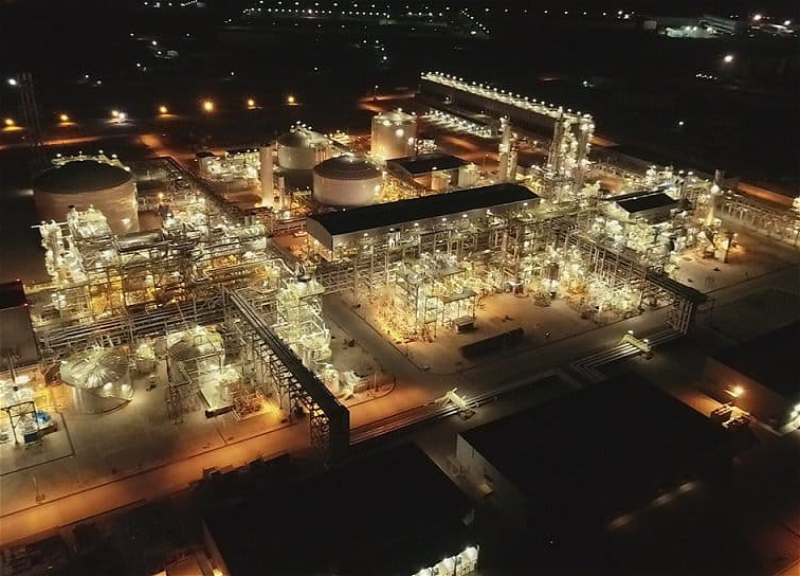
SOCAR then set its sights on scaling its now proven digital blueprint in its homebase of Azerbaijan. Among many candidates, SOCAR Carbamide was selected to launch the transformation. The plant produces ammonia and urea—critical agricultural inputs—and is Azerbaijan’s only domestic fertilizer producer. Launched in 2019, the plant still had untapped potential, and as geopolitical disruptions strained agricultural supply chains, boosting local production of fertilizer became urgent.
In 2023, SOCAR and McKinsey launched a 2.5-year transformation to increase output, improve gas efficiency, build talent, and create a model for broader industrial impact.
Source: McKinsey