
Ebola death toll in Congo tops 2,000
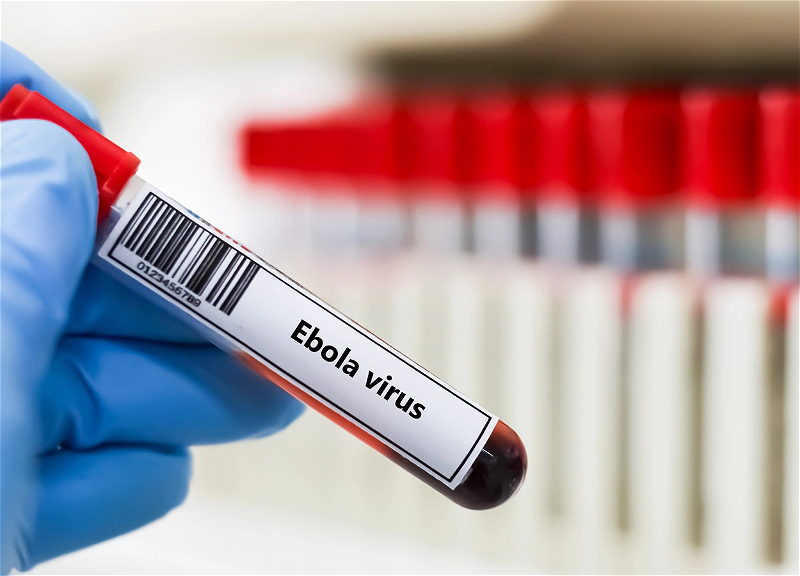
The number of confirmed deaths from the Ebola outbreak in the Democratic Republic of the Congo has reached 2,011 people.
The country's authorities reported this on Tuesday, recording one of the most alarming figures since the start of the current epidemic, which, according to health experts, is spreading significantly faster than previous outbreaks of the disease.
According to the latest data from the National Institute of Public Health of the Democratic Republic of the Congo, 4,381 confirmed cases of infection have been registered in five provinces of the country.
The scale of the infection's spread continues to grow against the backdrop of a difficult epidemiological and humanitarian situation in the affected areas.
Experts cite the late detection of those infected as one of the main reasons for the rapid spread of the virus. Additional difficulties are created by armed conflicts, an unstable situation, and a heavy burden on the medical system. All of this makes it harder to detect new cases in a timely manner, isolate those infected, and identify the people who have been in contact with them.
The current outbreak has become the 17th registered Ebola outbreak in the Democratic Republic of the Congo. It is caused by the Bundibugyo strain. At present, there are no approved vaccines or specific treatment methods against this variant of the virus, which further complicates the fight against the infection.
The World Health Organization previously declared the situation a public health emergency of international concern. The outbreak has already spread beyond the Democratic Republic of the Congo: cases of infection have been registered in neighboring Uganda.
Researchers have identified more than 500 suspected cases of the disease in the period from mid-January to May 15, which indicates a significantly earlier onset of the virus's spread than was initially established.
The situation is complicated by a shortage of medicines and medical resources. In some areas, instability and security problems hinder the work of medical specialists and make it difficult to carry out epidemiological measures. As a result, it is harder for the authorities and international organizations to trace the contacts of the sick, isolate those infected in a timely manner, and limit further transmission of the virus.
At the same time, the current outbreak is already demonstrating an unusually high rate of growth in the number of deaths. Although in terms of the total number of cases and deaths it still lags behind the largest Ebola outbreak in West Africa in 2014–2016, the rate of the infection's spread is significantly higher.
By comparison, during the previous major Ebola outbreak in the Democratic Republic of the Congo, which lasted from 2018 to 2020, it took a little more than a year to reach the mark of 2,000 deaths. The current pace means that the same number of deaths has been recorded many times faster.
Source: Reuters