When the world chooses Baku for dialogue
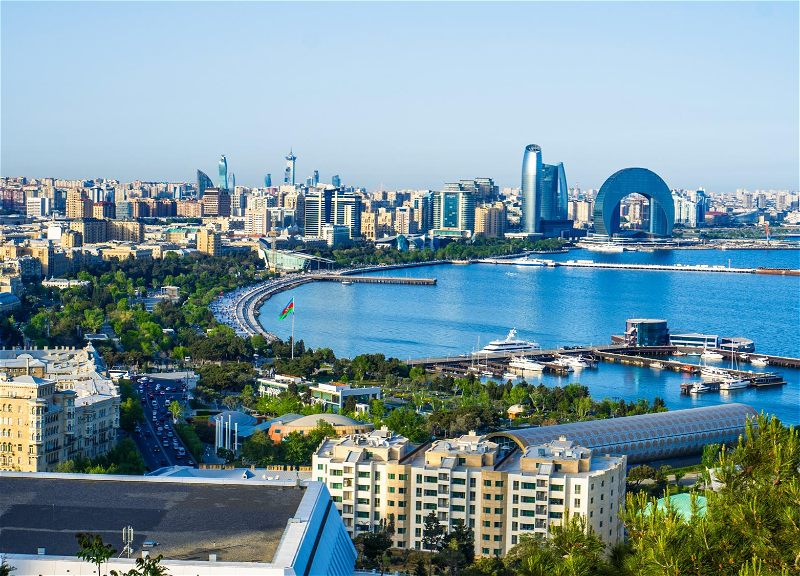
A state's international standing is determined not only by the number of agreements concluded, high-level visits, or participation in the work of international organizations.
There is another indicator as well — how often that particular state becomes the place where representatives of different countries come to discuss problems that extend far beyond its own geography.
If one looks at Azerbaijan's international chronicle of the past two decades, it becomes noticeable how the scale of this role has gradually changed. Baku began by holding individual humanitarian and intercultural meetings, then turned into a regular venue for political and expert dialogue, and in recent years has begun hosting events of global scale — from COP29 to the UN World Urban Forum. In parallel, closed-door and public negotiations between states with complicated relations with one another have been held here.
From the Baku Process to a permanent international dialogue
One of the starting points can be considered 2008, when the Baku Process was launched on Azerbaijan's initiative. At its core lay the idea of dialogue between the European and Muslim worlds. In subsequent years, the format expanded and became an international platform on issues of intercultural and interreligious interaction. The World Forum on Intercultural Dialogue, held within the framework of this process since 2011, brought together representatives of states, international organizations, the academic community, and civil society. By 2024, more than 10,000 people from over 100 countries had taken part in six forums.
Almost simultaneously, another line took shape — the Baku International Humanitarian Forum. Its task was to discuss problems of science, education, humanitarian development, culture, and global security — topics that cannot be considered exclusively through the prism of national policy. Already in the early 2010s, Baku was thus securing for itself the reputation of a city where representatives of different countries and political systems can discuss common problems.
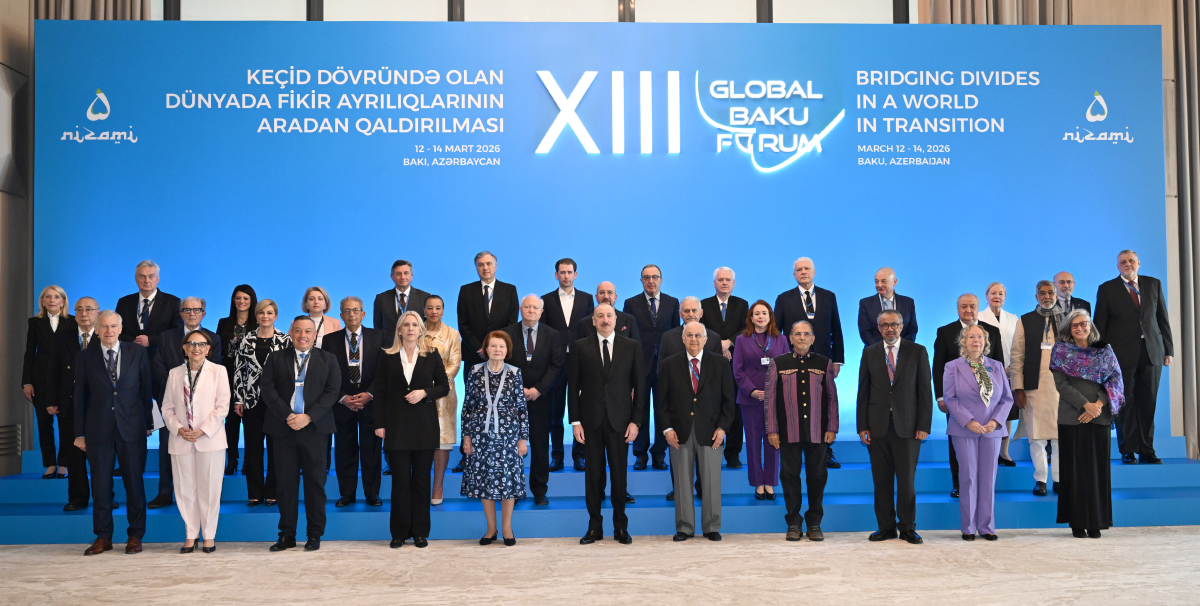
The next stage was the Global Baku Forum, organized by the Nizami Ganjavi International Center. Over the years of its existence, it has turned into a regular meeting of former and current heads of state and government, representatives of international organizations, and the expert community. The 13th Forum, held in March 2026, gathered about 400 participants from 70 countries and brought to the Baku platform issues of international security, the crisis of multilateralism, global governance, the Middle Corridor, sustainable development, and artificial intelligence.
Thus, Baku has gradually transformed from a venue for individual international events into a space where pressing issues of all humanity are regularly discussed.
International politics and the humanitarian agenda
A special place in the chronicle of its emergence as an authoritative international platform is occupied by the period of Azerbaijan's chairmanship of the Non-Aligned Movement. In 2019, the country headed the association of 120 states, and its chairmanship was then unanimously extended until the end of 2023. The COVID-19 pandemic turned this period into a serious test for international diplomacy. Azerbaijan initiated an online summit of the Non-Aligned Movement, initiated a special session of the UN General Assembly on COVID-19, and also provided financial and humanitarian assistance to more than 80 countries.
In March 2023, Baku hosted a summit of the Non-Aligned Movement's Contact Group on combating the consequences of the pandemic. In doing so, the Azerbaijani capital became the venue for discussing a problem that was no longer regional, but global and humanitarian.

This line continued even after the end of Azerbaijan's chairmanship of the Non-Aligned Movement. In April 2025, the Global South NGO Platform was established in Baku, bringing together representatives of more than 100 organizations at its founding conference. The initiative grew out of the South–South cooperation conference held on the sidelines of COP29.
There are other examples as well. In 2017, Baku hosted the ministerial conference of the "Heart of Asia – Istanbul Process," devoted to security, economic connectivity, and the stabilization of Afghanistan. This was a format involving a wide range of regional and international states and organizations.
From climate diplomacy to the urban agenda
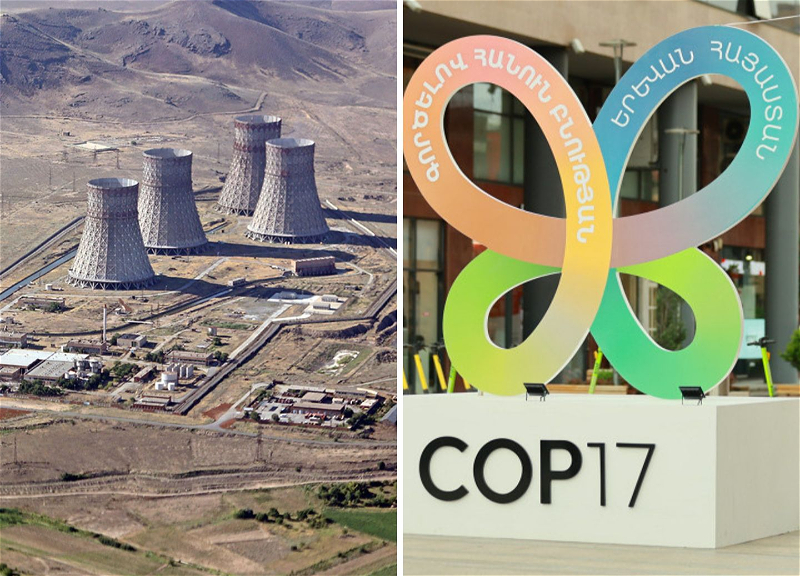
The culmination of the scaling up of this role was COP29. The UN Climate Change Conference was held in Baku on November 11–22, 2024. Tens of thousands of delegates took part in it, including about 80 world leaders. The very fact that the largest annual international climate forum was held in Azerbaijan became evidence that Baku is regarded as a place for discussing global problems requiring the participation of practically the entire international community.
But this story did not end with COP29. Already in May 2026, Baku hosted the 13th session of the UN World Urban Forum — WUF13. The forum took place on May 17–22 under the theme "Housing for the World: Safe and Sustainable Cities and Communities" and was organized by UN-Habitat together with the government of Azerbaijan. As a result, more than 57,000 people from 176 countries took part in it, which made WUF13 the largest World Urban Forum in its entire history. At the center of the discussion were the global housing crisis, sustainable urban development, climate adaptation, and the implementation of the UN New Urban Agenda.
The very combination of COP29 and WUF13 is telling. In the first case, Baku found itself at the center of world climate diplomacy; in the second, at the center of the global discussion on the future of cities, housing, and sustainable development. Moreover, the results of WUF13 continued to work at the UN level: the forum's materials were used in the process of the mid-term review of the New Urban Agenda in New York.
This same line includes Baku Energy Week, which over three decades has transformed from an oil and gas exhibition into an international energy forum. In 2026, its events brought together 276 companies from 46 countries, with foreign companies accounting for about 60% of the exhibition's participants. At the center of discussions within the week are such topical issues as energy security, traditional energy, renewable sources, and the energy transition.
Baku as a venue for negotiations
There is, however, another side to the international role of the Azerbaijani capital, which especially well demonstrates the level of trust in it. This is no longer about forums with a pre-formed agenda, but about negotiations between parties whose relations are often far from simple.
Thus, as Azerbaijani presidential aide Hikmet Hajiyev stated earlier, strategic talks between Russia and the United States on missile defense issues were held in Baku, as well as Russia–NATO negotiations. According to him, in recent years Baku has become a platform for dialogue between Turkey and Israel, as well as between Syria and Israel.
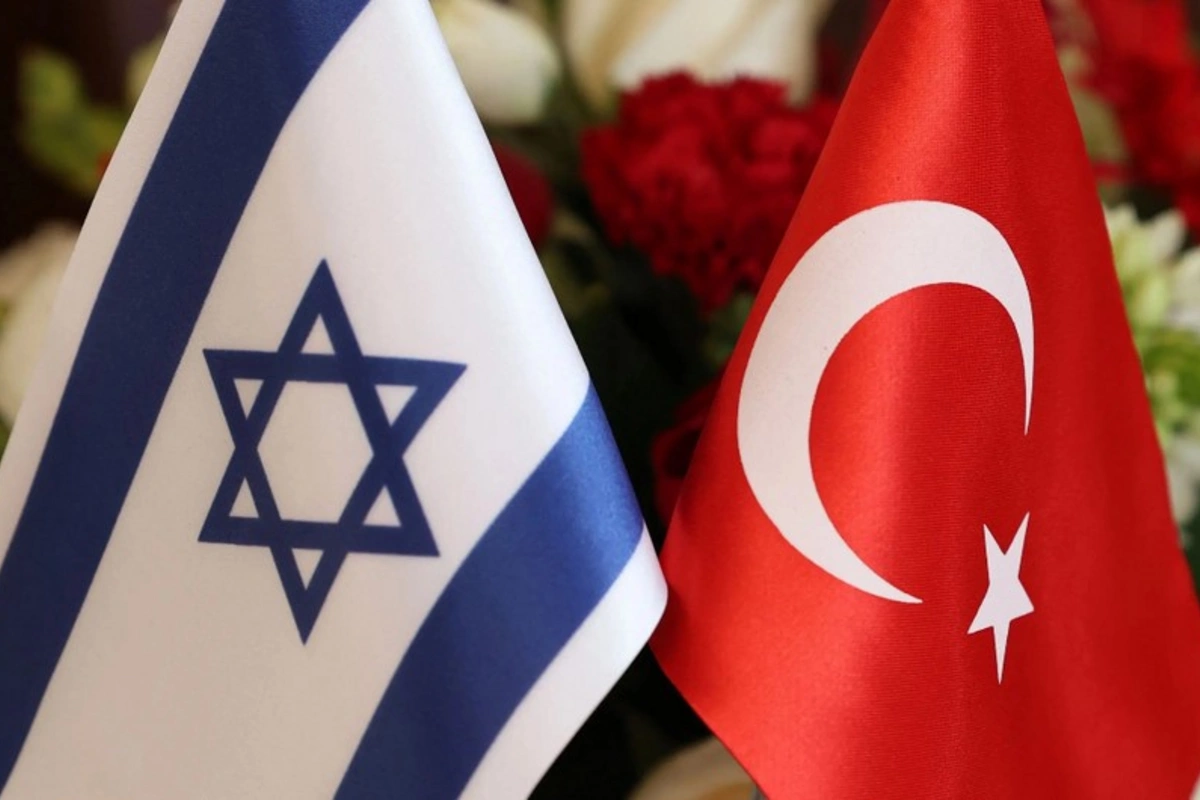
The recent period has given this direction new content. In April 2025, Turkish-Israeli technical talks were held in Baku on the creation of a channel for preventing military clashes in Syria. Later, the Azerbaijani side confirmed that several rounds of such contacts had taken place.
It is also telling that in 2025 Baku was proposed as a possible venue for Russian-Ukrainian negotiations. Azerbaijan, for its part, then officially confirmed its readiness to host them.
For a state's diplomatic reputation, the very nature of such contacts matters here. When parties standing on opposite sides of serious international contradictions find it convenient to meet on the same platform, this indicates that this platform possesses a certain level of political trust and practical value.
From Baku to Shusha
Azerbaijan's international activity is gradually extending beyond the capital as well. A particularly notable example has been the Shusha Global Media Forum. The first forum took place in 2023, and the event then became regular. In 2025, the third forum gathered 140 guests from 52 countries, representing 30 news agencies and 80 media structures. In July 2026, the fourth forum already brought together 160 guests from 53 countries, including representatives of 30 news agencies, more than 60 media organizations, and 10 international structures.

Thus a unified picture is gradually taking shape. The Baku Process created the foundation for intercultural dialogue, the humanitarian forum expanded this agenda, the Global Baku Forum consolidated the political-expert direction, the chairmanship of the Non-Aligned Movement brought Azerbaijan to a broader level of interaction with the countries of the Global South, the energy week maintains Baku's status as one of the centers of international energy dialogue, and COP29 and WUF13 have brought the global climate and urban agendas into this system.
Azerbaijan's international role today is no longer measured by individual events. A stable system of contacts has formed around Baku, in which representatives of different regions, political camps, and international organizations meet. Over a short historical span, Azerbaijan has traveled a long path from a venue for individual humanitarian meetings to a space of permanent international dialogue. It is precisely this evolution that is becoming one of the notable elements of modern Azerbaijan's foreign policy standing.