Ilham Aliyev sends address to participants of the IV Baku Security Forum
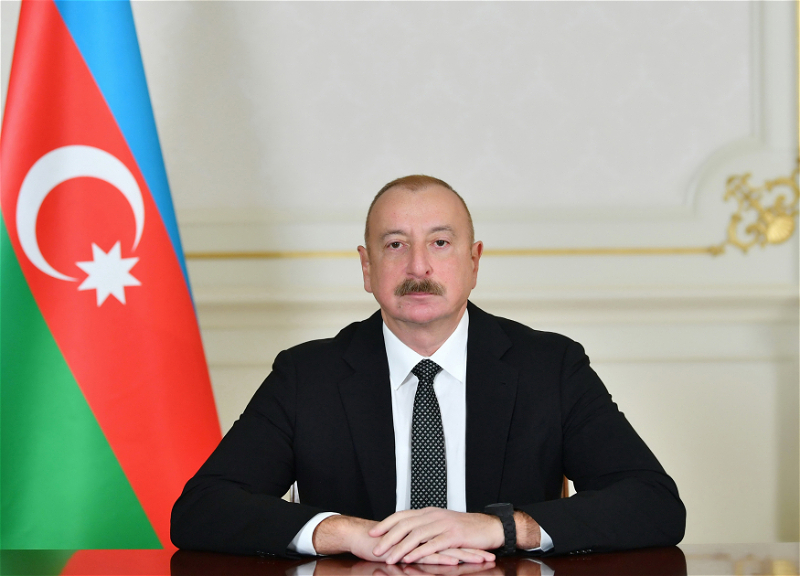
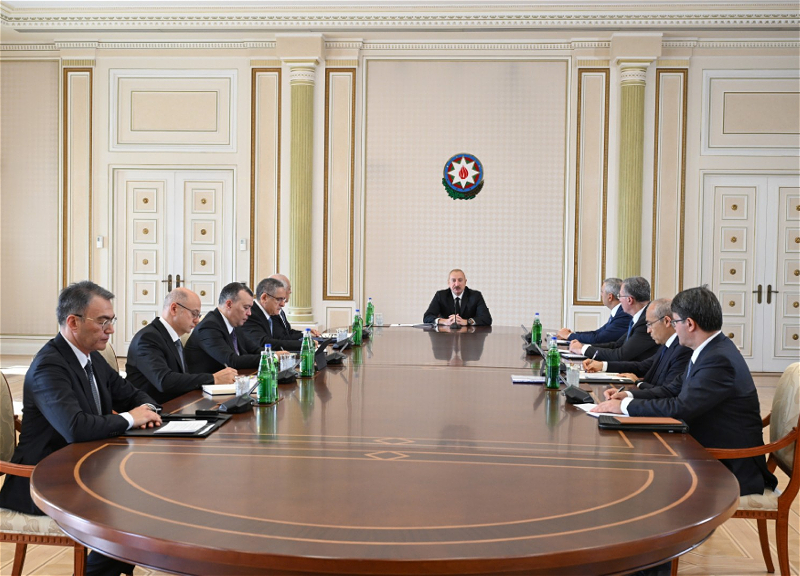
President Ilham Aliyev has sent an address to the participants of the IV Baku Security Forum.
1news.az reports this with reference to the official website of the head of state.
The text of the address reads:
"Dear Forum participants!
I cordially welcome you to the IV Baku Security Forum, dedicated to the theme "Modern challenges in the global security architecture and the creation of effective cooperation mechanisms in the field of combating terrorism".
This Forum, which is being held in Baku for the fourth time and brings together heads and representatives of special services and law enforcement agencies of various countries, provides ample opportunities for exchanging views and developing mutual cooperation on issues of global security. The annual expansion of the geographical coverage of the forum's participants and the relevance of the issues discussed testify to the growing international recognition of the Baku platform. I am confident that the current event will be no less significant for cooperation in the field of security, as well as for the exchange of views and experience.
Today the world is going through a period of rapid and complex changes. The processes unfolding in the system of international relations, the intensification of geopolitical competition combined with conflicts and confrontations in various regions have a serious impact on the global security environment. The deepening crisis of trust and the destruction of mutual understanding make the strengthening of national security systems and the preservation of international stability a fundamental and urgent priority for all countries.
Protecting peace, stability, and security throughout the world is the shared responsibility of all states. The scale and threatening nature of contemporary challenges require the intensification of interaction and the application of flexible and coordinated approaches. This is due to the fact that the concept of security is not limited by the borders of individual states. Any source of crisis or tension that arises in one region can quickly spread to others, undermine political and economic stability, jeopardize energy and food security, and disrupt transport and communication links. Terrorism and extremism, transnational organized crime, illegal trafficking in weapons and drugs, cybercrime, and other cross-border threats can also acquire a more complex character due to this interconnectedness.
In particular, the use of modern technologies and new opportunities to expand the scale of terrorist activity is a matter of serious concern. The abuse of digital capabilities, including artificial intelligence, creates significant obstacles to the effectiveness of counterterrorism efforts, contributing to the spread of radical ideas, the expansion of financial sources available to terrorist networks, and the recruitment of new accomplices. The fight against terrorism under such conditions must not be limited to the efforts of only some countries, but must remain one of the key areas of international cooperation and joint action.
A well-considered security system is based not only on countering current threats and eliminating their consequences, but, most importantly, on the ability to anticipate risks and prevent them in a timely manner. That is why it is especially important to strengthen mutual trust between states, develop professional ties between security agencies, and increase the effectiveness of data exchange. Practice shows that partnership relations based on open and reliable dialogue create opportunities for more flexible and effective prevention of even the most complex challenges in the field of security.
Azerbaijan considers ensuring international peace and security, strengthening mutual trust between states, and expanding cooperation to be among its main priorities. Our country attaches special importance to advancing dialogue on security issues on various international and regional platforms, as well as to expanding mutually beneficial cooperation. Holding the Baku Security Forum indeed creates conditions for identifying specific areas of cooperation and further strengthening mutual trust in achieving these goals.
I am confident that the discussions to be held within the framework of the Forum this year will create conditions for a deeper understanding of contemporary global challenges in the field of security, help determine new approaches to addressing them, and further strengthen interaction between special services and security agencies, thereby contributing to the creation of a more stable and secure world for future generations.
I wish the IV Baku Security Forum every success, and all participants productive discussions and fruitful cooperation."