Local Expertise as a Driver of Azerbaijan’s Investment Attractiveness - PHOTO
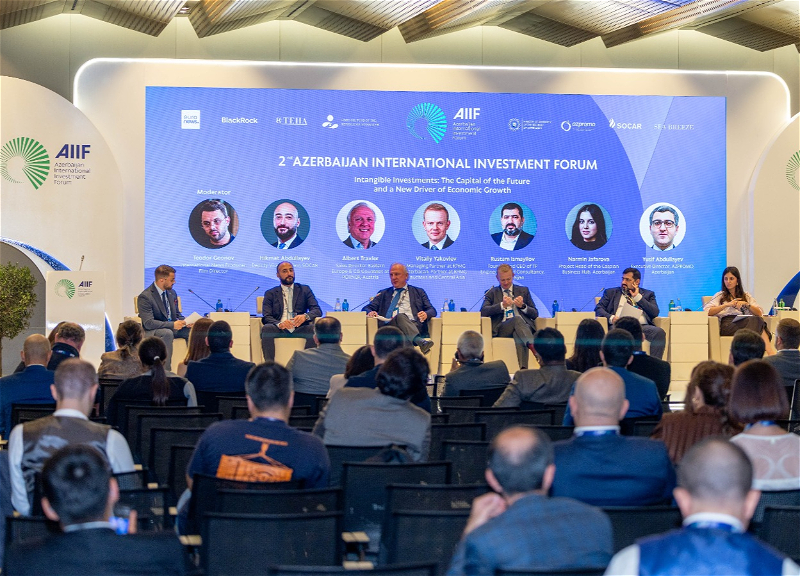
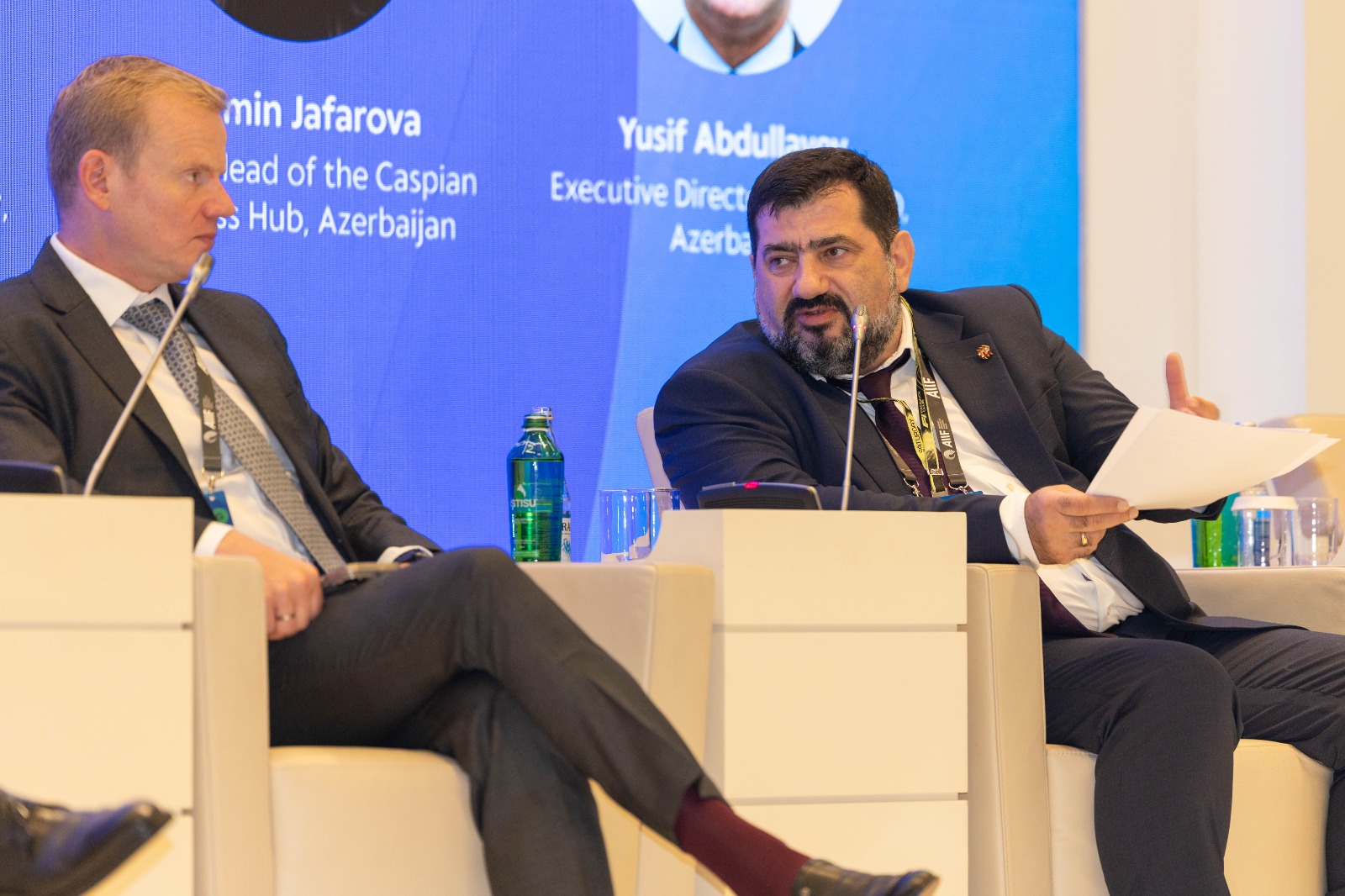
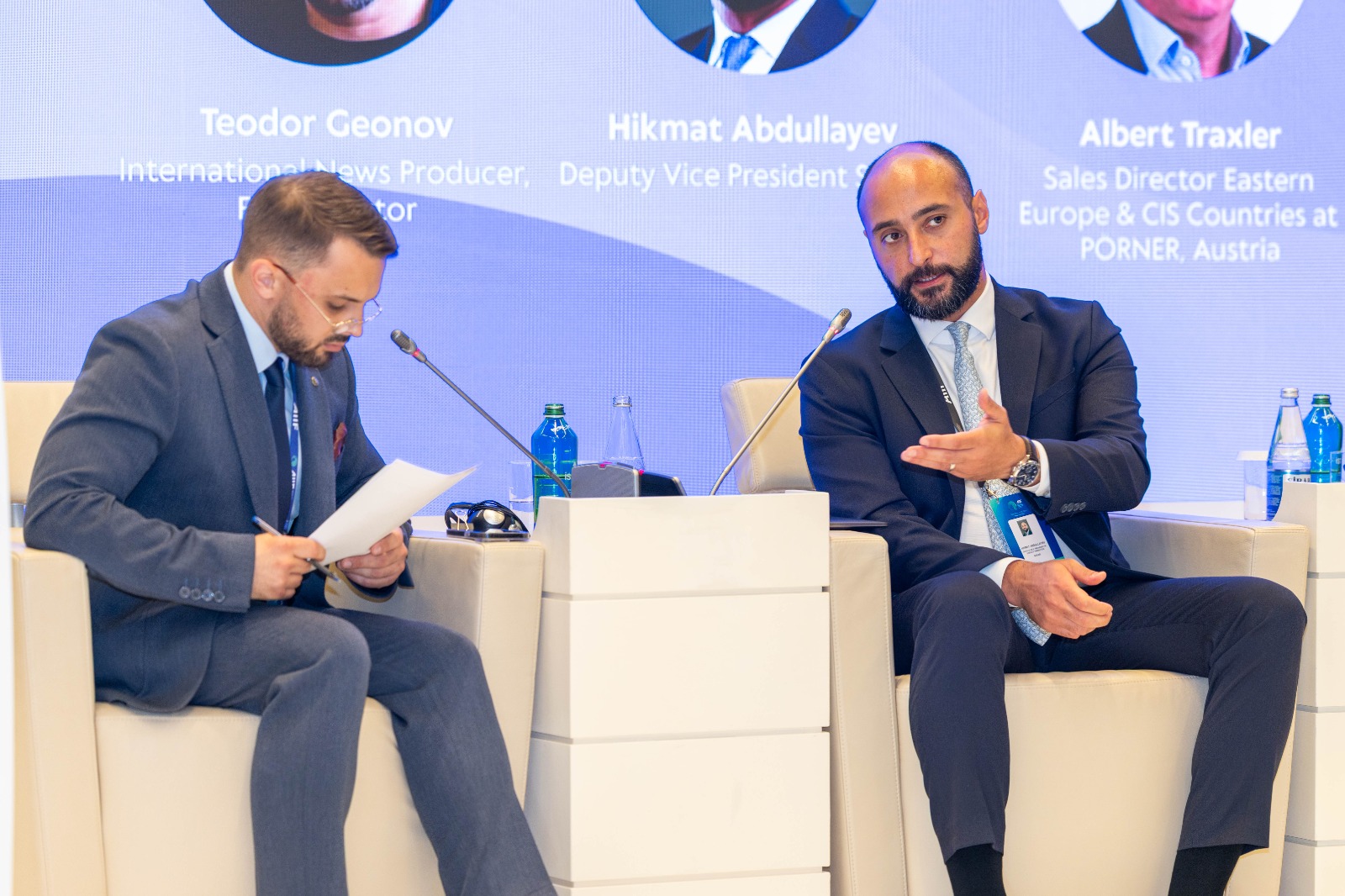
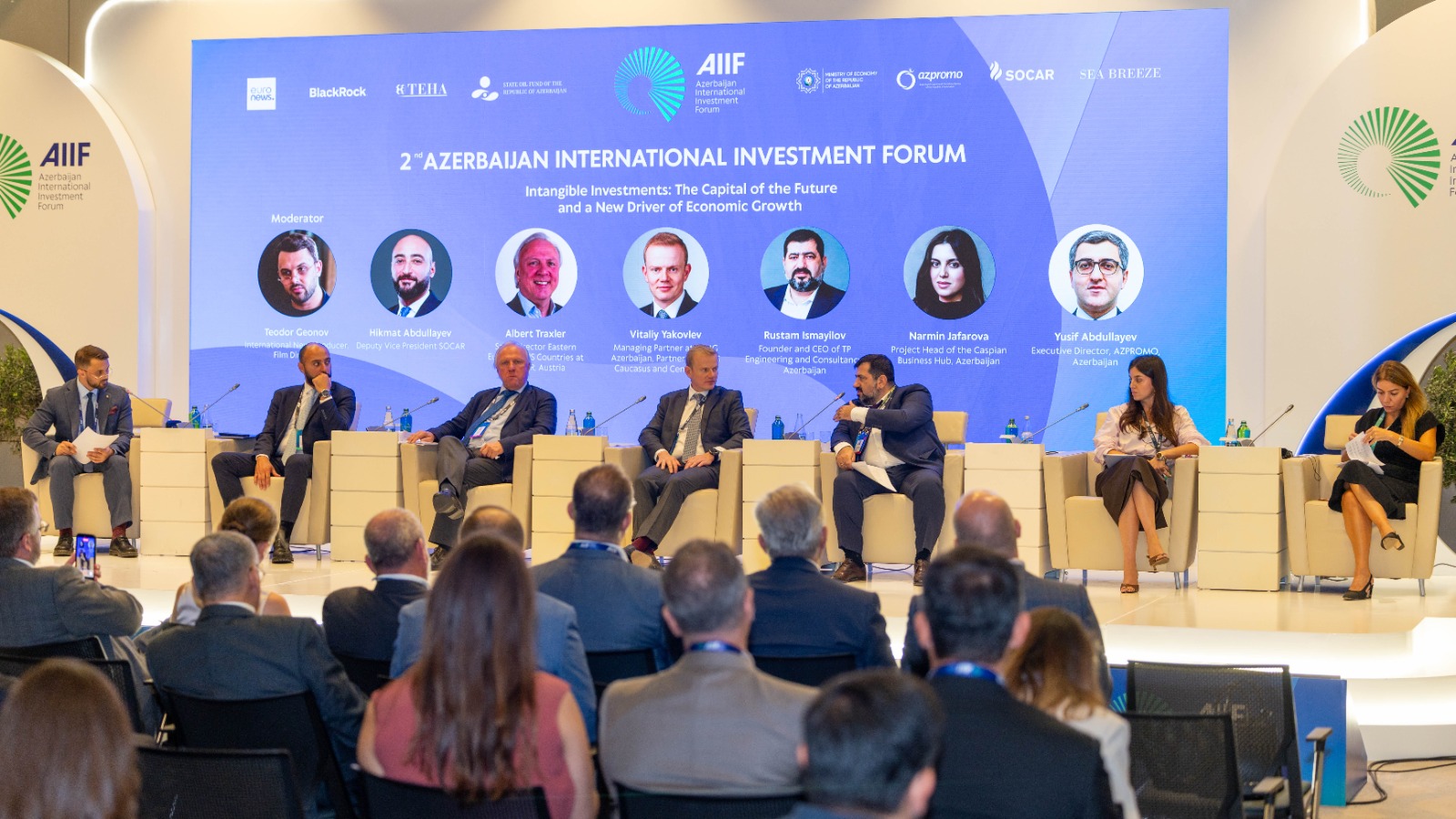
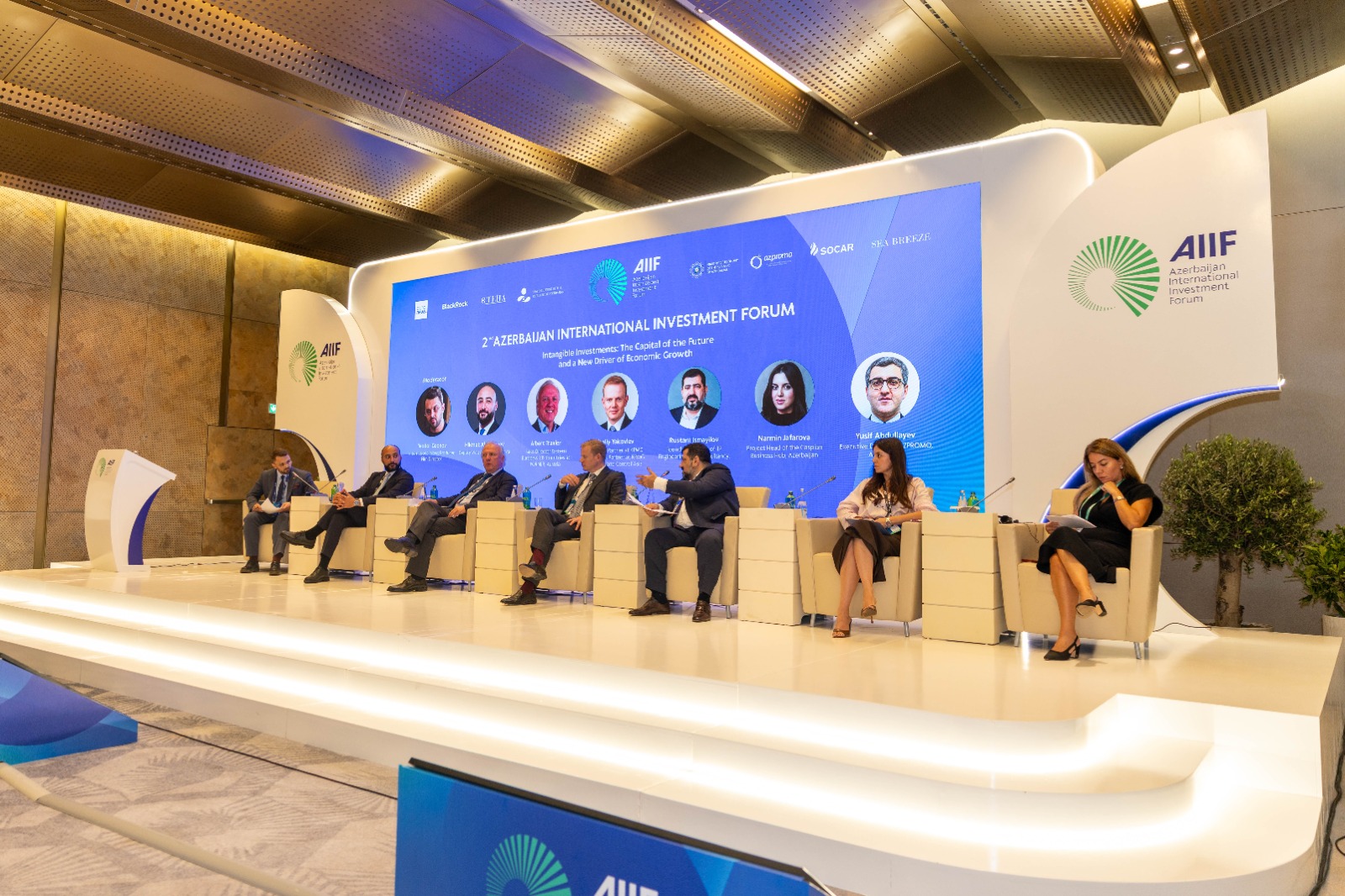
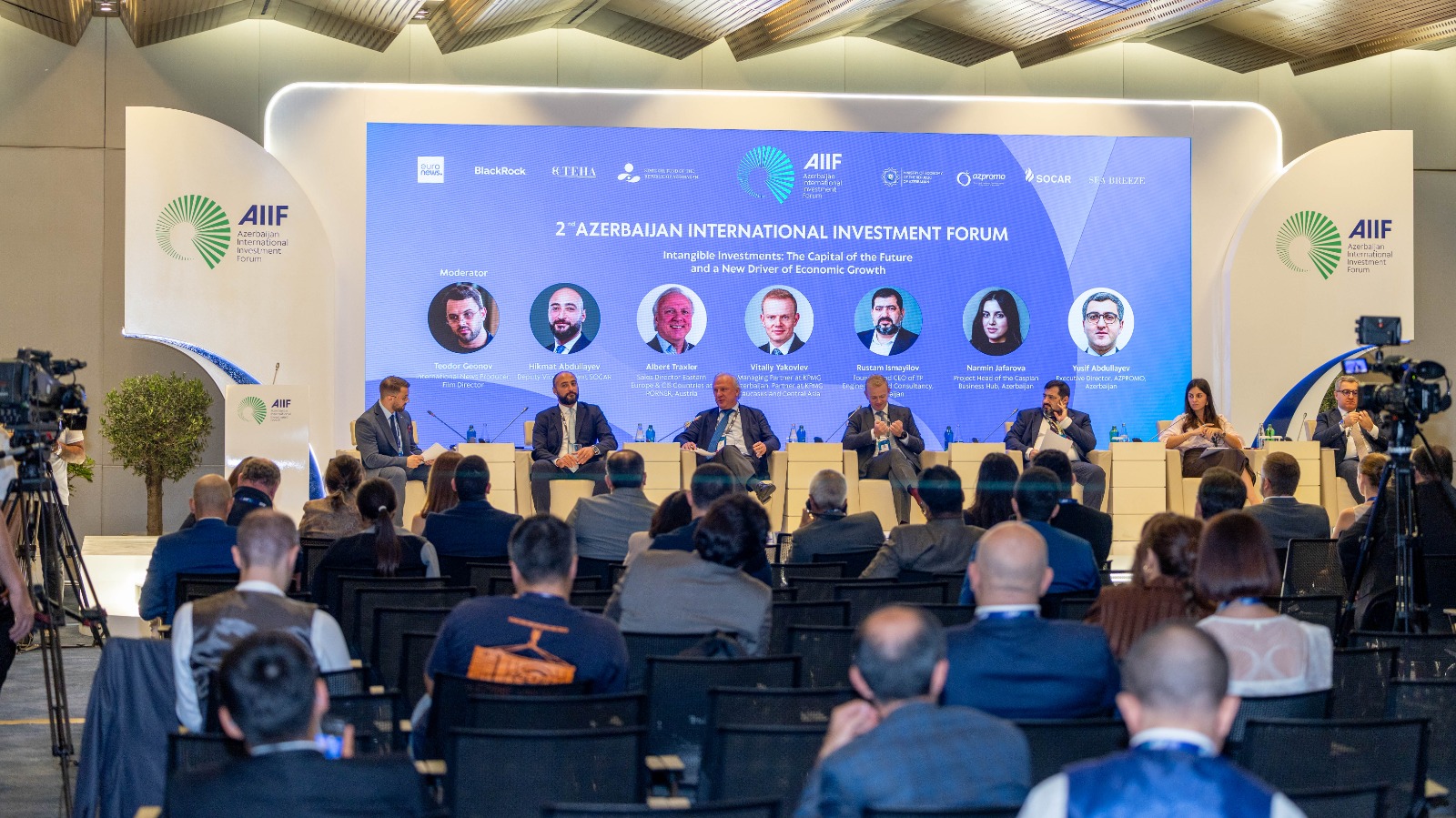
A panel discussion titled “Intangible Capital as a Driver of Foreign Direct Investment: Local Expertise as the New Currency of Emerging Markets”, organized by tpe, was held in Baku as part of the 2nd Azerbaijan International Investment Forum.
The discussion brought together representatives of SOCAR, AZPROMO, PÖRNER, KPMG and Caspian Business Hub.
The participants discussed how foreign investment can be transformed from a source of financing for individual projects into a tool for developing local expertise, strengthening industrial cooperation and creating new export opportunities. What matters is not only the volume of capital attracted, but also its ability to generate long-term impact through technology transfer, the development of engineering capabilities and local supply chains, the adoption of international standards and export growth.
Against the backdrop of the development of the Middle Corridor, connecting Central Asia, the Caspian region, Azerbaijan, Georgia, Türkiye and Europe, new opportunities are emerging for industrial cooperation, logistics, manufacturing and exports. However, transit potential alone does not guarantee industrial value creation. The key is the ability to turn investment into long-term capabilities and locally rooted production chains.
Rustam Ismailov, Executive Director of tpe, a company with 30 years of experience in the design and construction of industrial facilities, noted that a strong economy is built where each successive project draws on the experience accumulated through previous ones. The real legacy of a project is not only the physical infrastructure it leaves behind, but also the people, methods, processes and professional culture that enable the next project to be delivered faster and more effectively.
“It is important that new knowledge becomes systemic rather than remaining concentrated in individuals. In any project, there is a risk that expertise is held by a handful of highly skilled specialists. But once they leave, the system can return to where it started. True knowledge transfer does not happen after a training course; it happens when a team is able to make the right decisions independently,” he said.
In his view, despite the importance of digital systems, technological solutions and international standards, experience remains a critical factor. It should not replace previous experience, but rather build on and complement it, ultimately becoming part of an accumulated pool of institutional capabilities.
Azerbaijan is now reshaping its investment agenda. Rather than focusing solely on attracting foreign direct investment, the emphasis is increasingly shifting toward building a regional development ecosystem that combines capital, technology and local expertise.
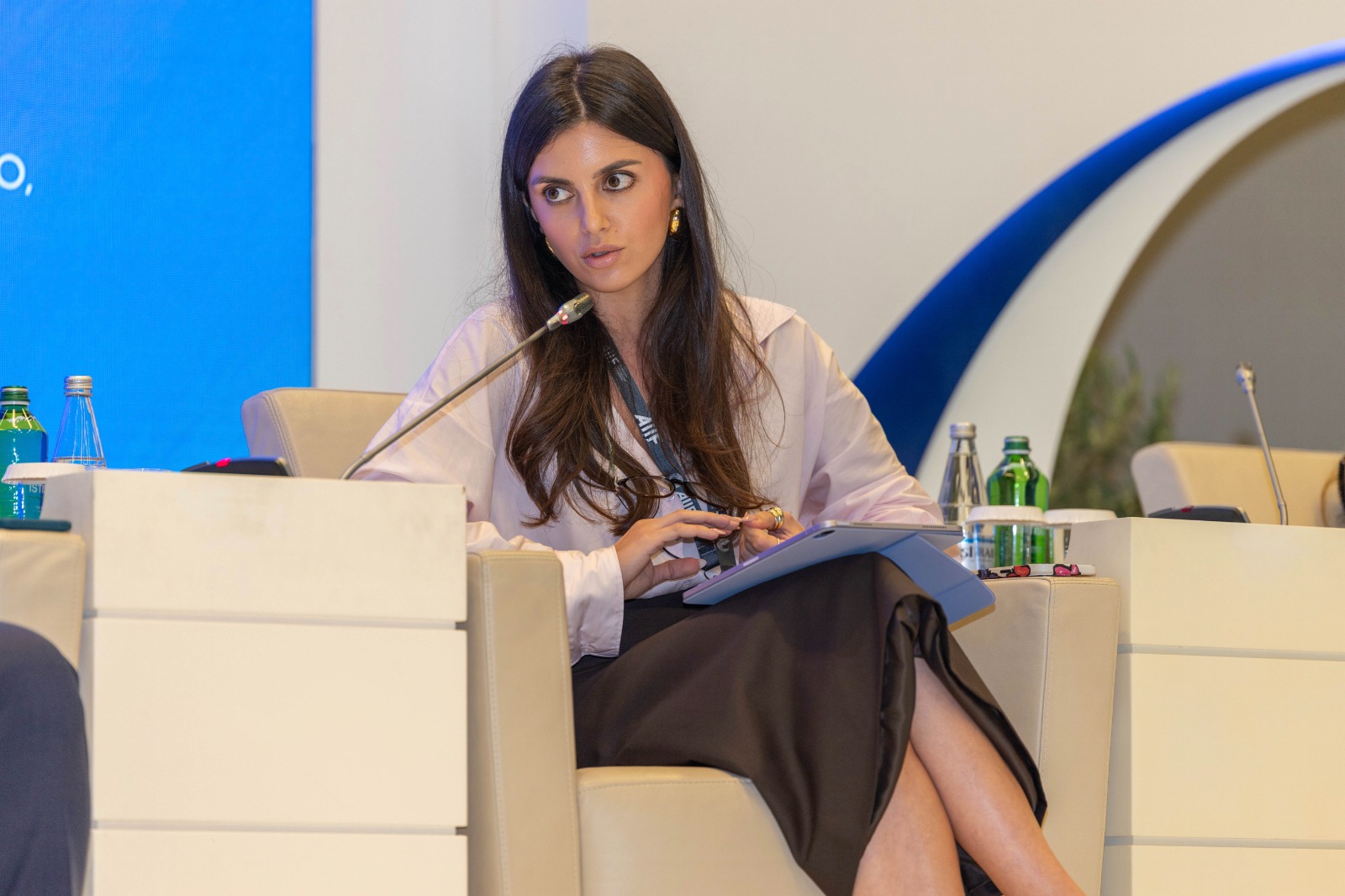
Narmin Jafarova, Head of Caspian Business Hub (CBH), identified the inability to quickly bring stakeholders together around a functioning project as one of the key gaps in the Caspian region. This is where CBH’s economic role comes into focus: as a central coordination hub that understands the interests and operating logic of different stakeholders and helps build the right configuration of participants around a specific investment opportunity.
“Our overarching goal is not to increase the number of resident companies, but to build infrastructure for cooperation. We want to reduce coordination costs to the point where it becomes more advantageous for companies to pursue complex cross-border projects together rather than separately. If we achieve that, Caspian Business Hub will become not simply a business platform, but part of a new investment infrastructure for the Caspian region,” she said.
The discussion highlighted a broader shift in the investment agenda — from asking “How much capital have we attracted?” to asking “What long-term value does that capital create within the country?”
Local knowledge, engineering capabilities, technological expertise and the ability to bring stakeholders together around complex projects are becoming resources as important as financial capital. For emerging markets, the ability to transform knowledge and international capital into sustainable local capabilities may prove to be a key driver of the next stage of industrial development.