Karabakh Revival Fund takes part in information session on grant competitions for NGOs

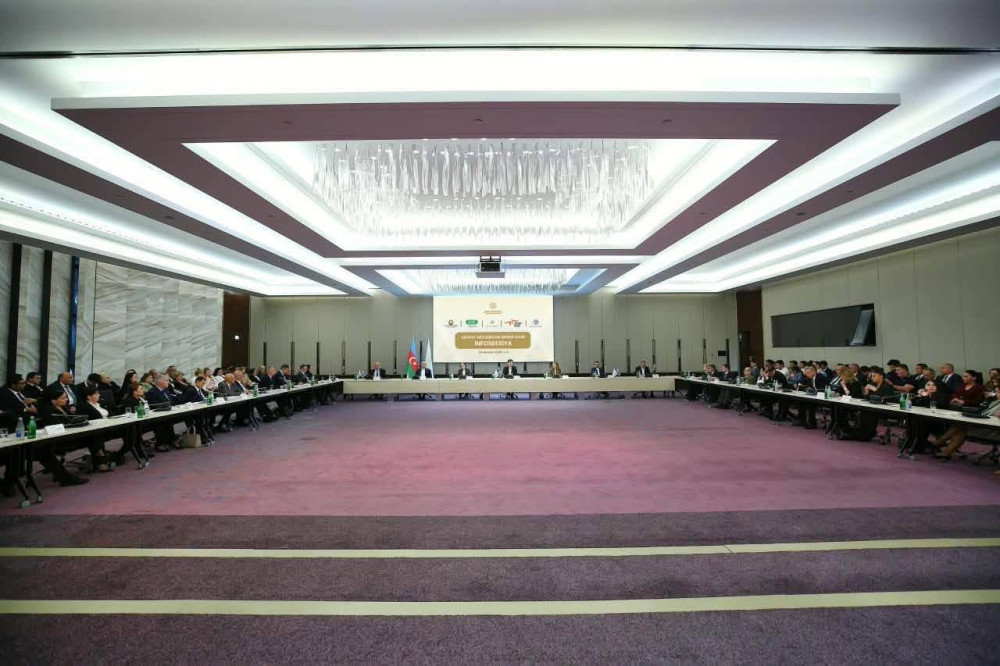
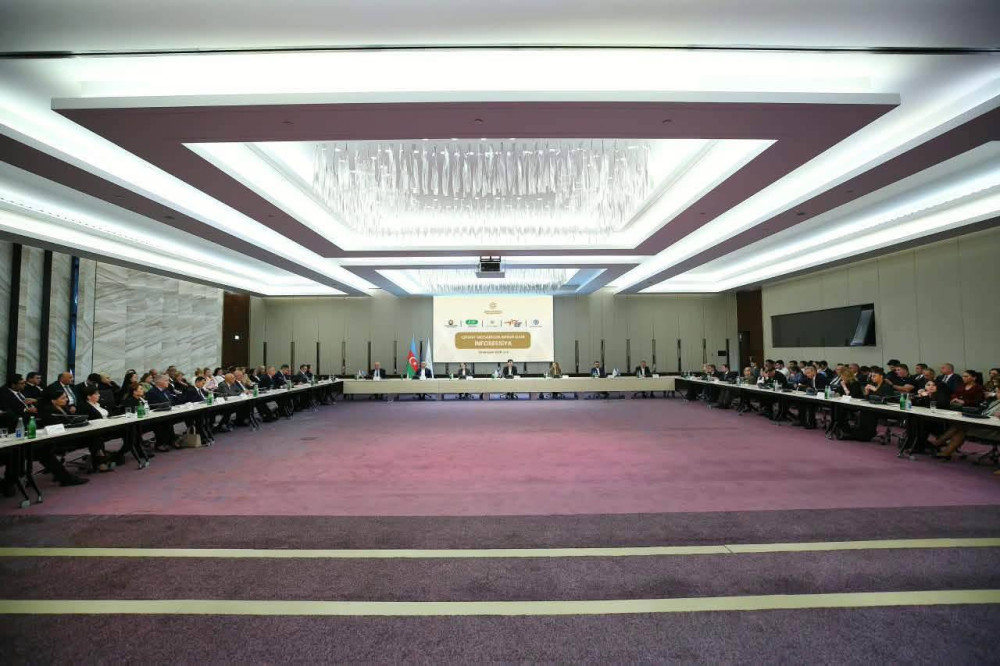
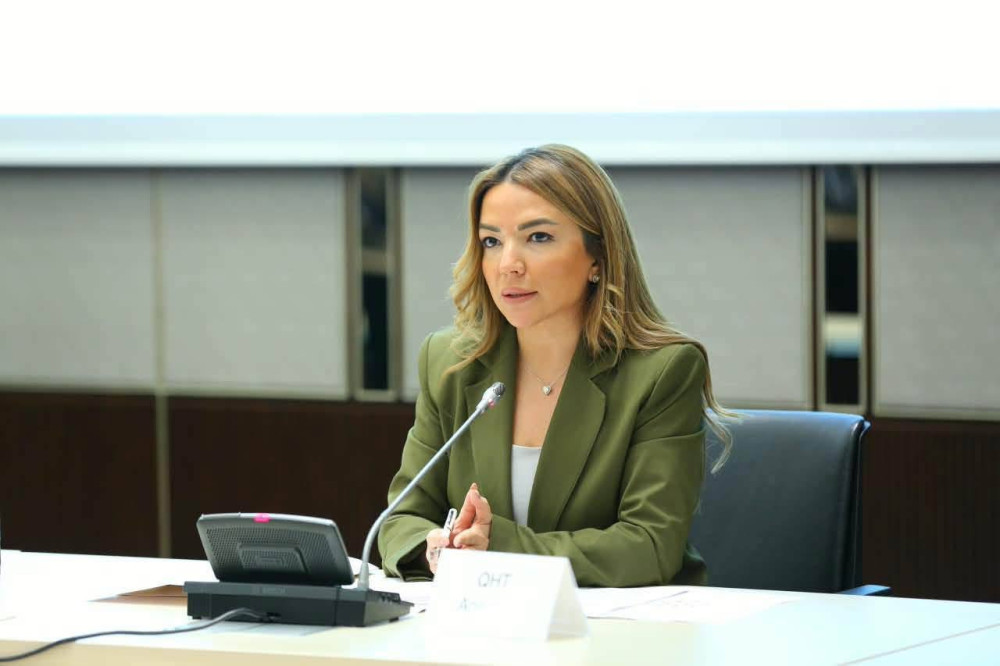
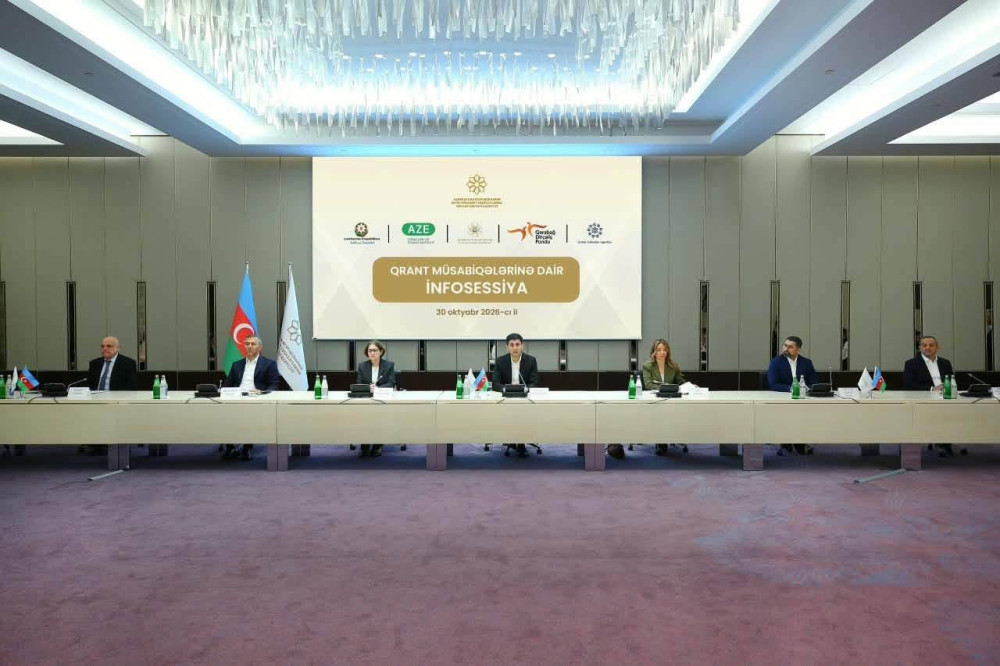
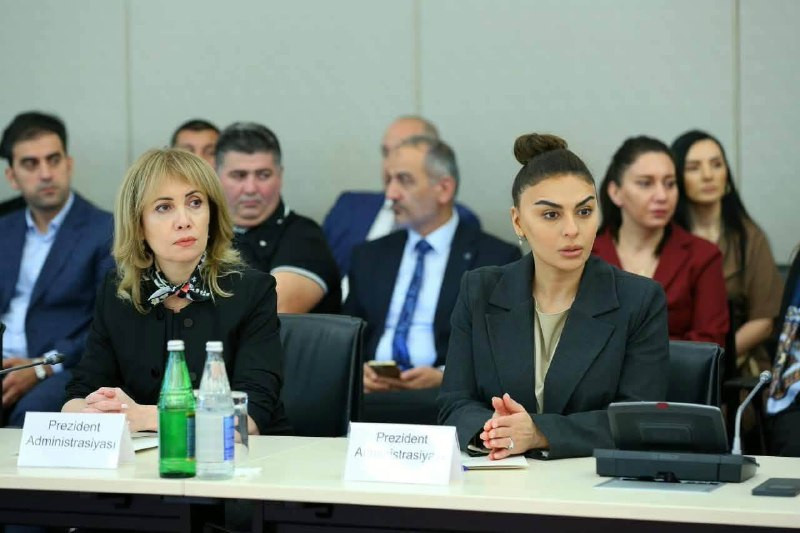
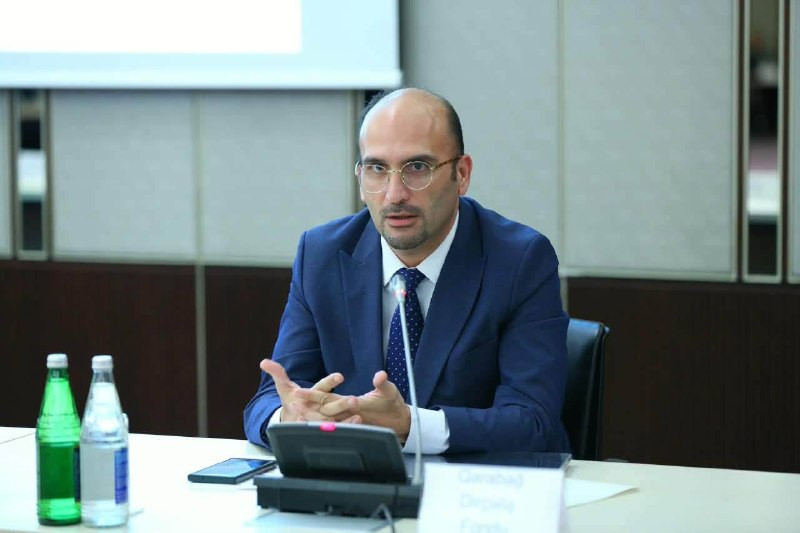
On Oct. 30, 2026, an information session on grant competitions operated by the State Support Agency for Non-Governmental Organizations was held at the Baku Congress Center.
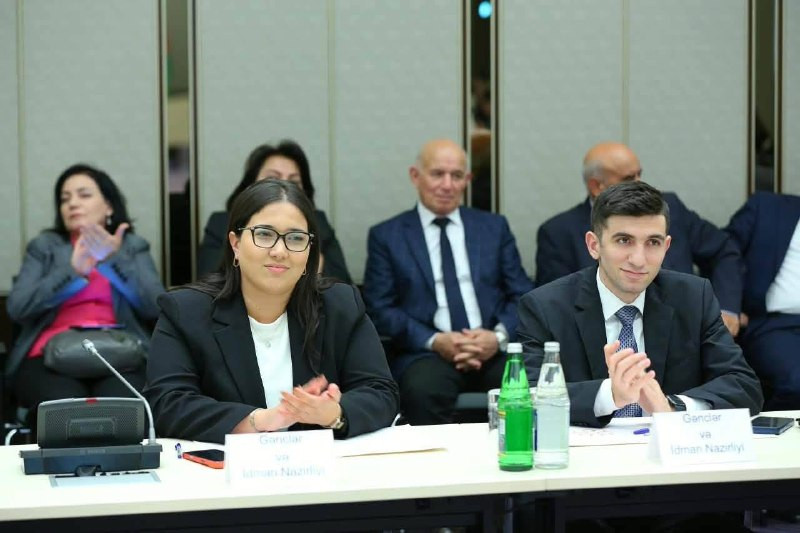
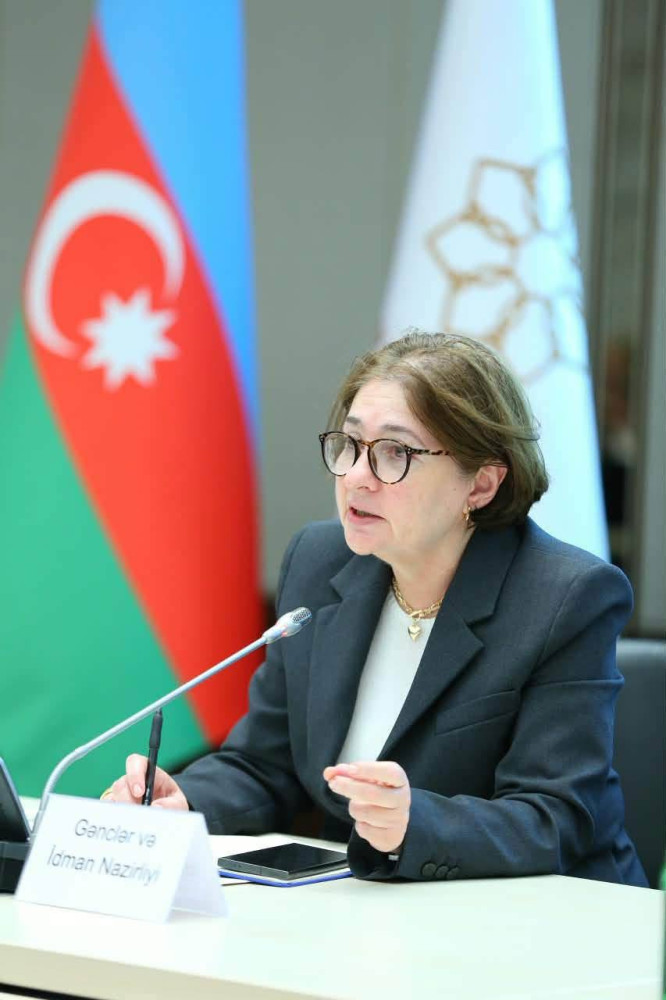
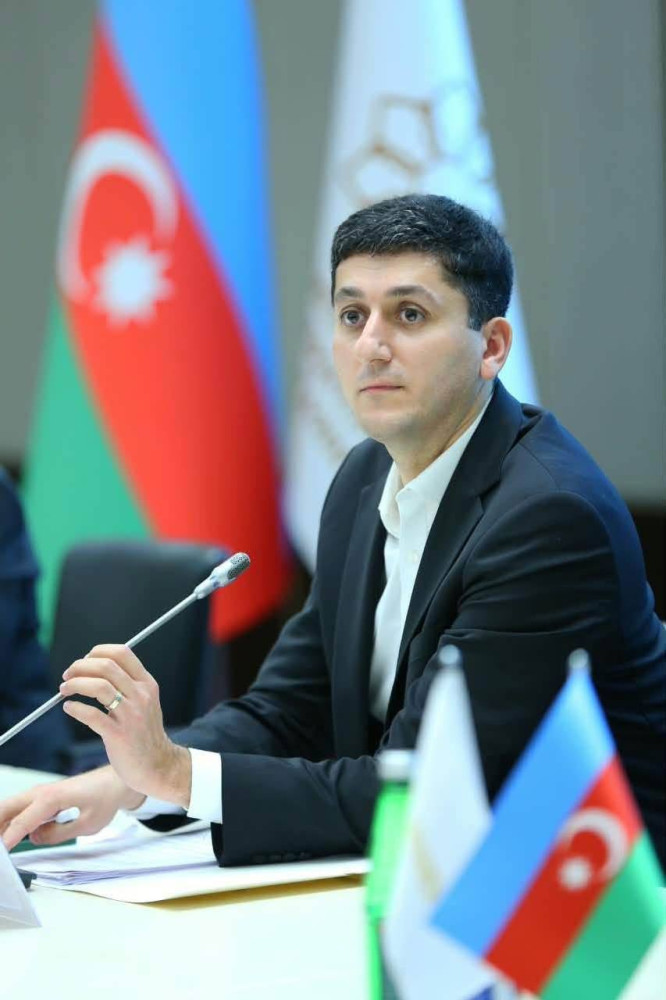
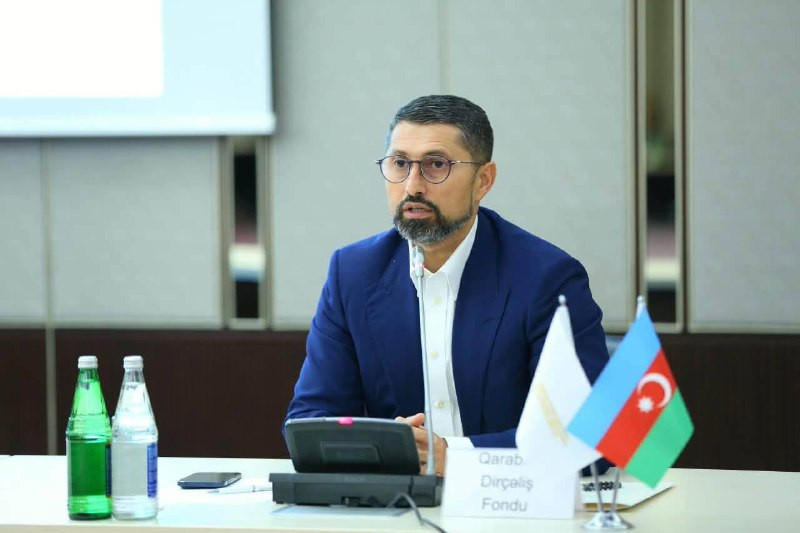
The session was attended by Tural Aliyev, head of the NGO relations sector of the Presidential Administration's Department for Work with NGOs and Communication; Indira Hajiyeva, deputy minister of youth and sports; Rahman Hajiyev, chairman of the Board of the Karabakh Revival Fund; Aygun Aliyeva, chairwoman of the Board of the NGO Agency; Matin Karimli, head of the office of the Ministry of Science and Education; Faig Aghayev, deputy chairman of the Board of the Social Services Agency under the Ministry of Labor and Social Protection of the Population; Yashar Orujov, director of the Project Coordination Bureau of the Health Ministry's program to combat HIV/AIDS, tuberculosis and malaria, and other officials.
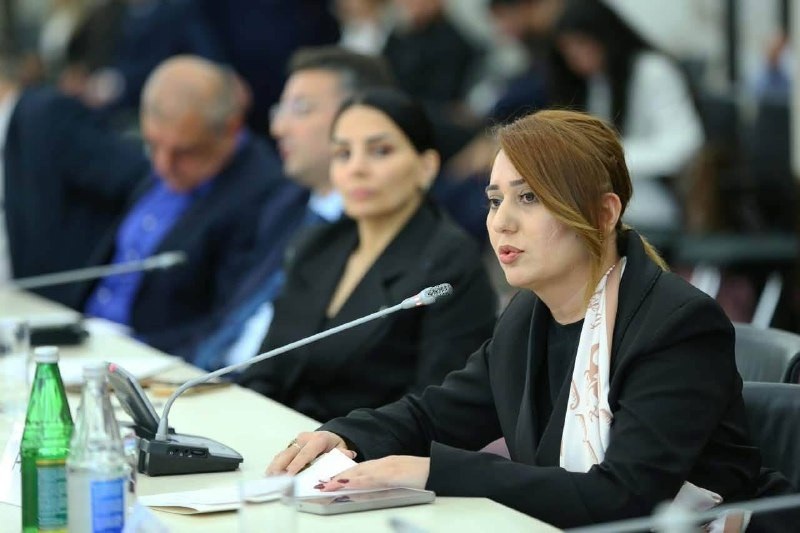
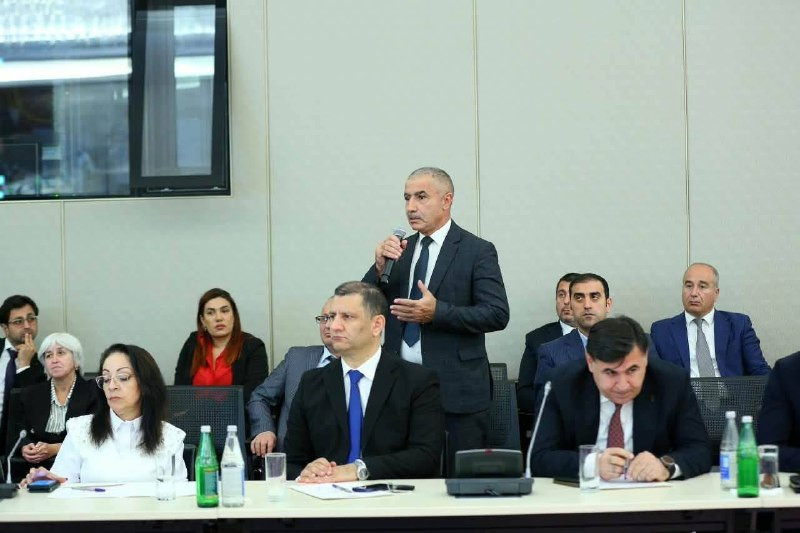
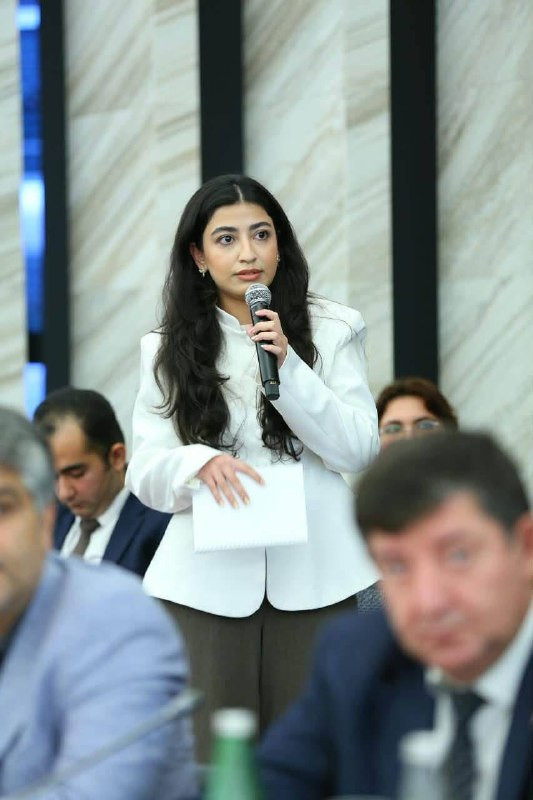
At the meeting, questions about the grant competitions were answered and explanations were given.
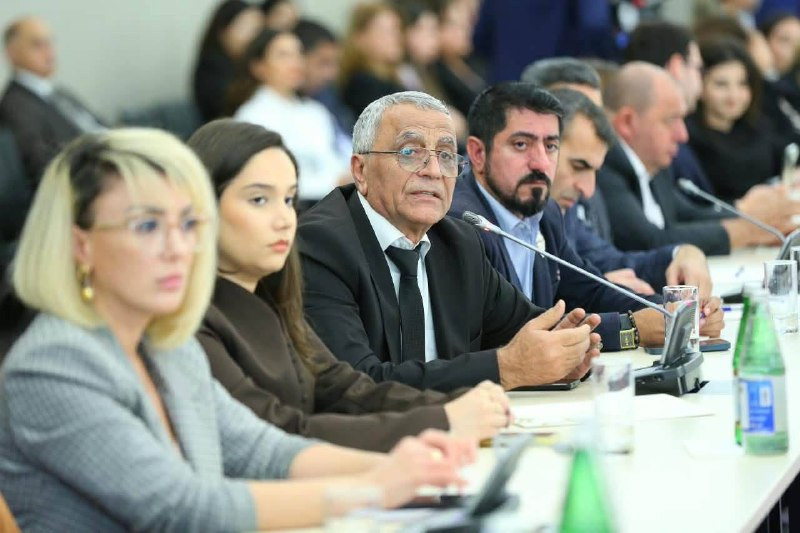
Representatives of more than 250 NGOs took part in the information session.
The State Support Agency for Non-Governmental Organizations of the Republic of Azerbaijan and the Karabakh Revival Fund have jointly announced a grant competition for NGOs on the theme "Support for sustainable resettlement and community life in the liberated territories."
The acceptance of documents on NGOs' project proposals for the competition began on Oct. 26, 2026. The deadline for applications is Nov. 20, 2026.
Once the acceptance of documents is completed, the documents on the project proposals submitted by NGOs will undergo technical examination, the projects will be evaluated, the winners will be determined and their names announced.
Maximum grant amounts:
• Small grant competition - the maximum grant amount under the competition is 30,000 (thirty thousand) manats;
• Large grant competition - the maximum grant amount under the competition is 70,000 (seventy thousand) manats.
The competitions cover the following themes:
I. Development of young people's digital and creative skills in the liberated territories
(Preference is given to projects on organizing training programs, courses and workshops aimed at building skills in photography, videography, digital content production, media literacy and the practical use of artificial intelligence tools for adolescents and young people living in the liberated territories);
II. Presentation of the damage and destruction inflicted on the material and cultural heritage of Garabagh and East Zangazur, and of the construction, restoration and resettlement work, along with public awareness on this subject
(Preference is given to projects involving exhibitions and related presentations);
III. Community-based social initiatives and inclusiveness
(Preference is given to projects aimed at improving the daily quality of life of the resettled population, organizing their leisure time effectively, opening clubs for children and adolescents, increasing the social activity of women, integrating persons with disabilities and other vulnerable groups into social life, carrying out awareness activities on traffic rules and the safe conduct of pedestrians and drivers in the newly built settlements, promoting an environmentally sensitive approach, managing household waste, greening and shaping ecological behavior);
IV. Public awareness of the risks posed by mines and unexploded ordnance (UXO) (activities under this item are carried out in partnership with ANAMA)
(Preference is given to projects aimed at raising public awareness of the danger of mines and UXO and informing people about the relevant rules of conduct, with the close involvement of mine victims and their family members and of persons who previously worked as deminers, and at reducing the risks related to mines and UXO, especially among children);
V. Public support for the protection of cultural heritage and promotion of tourism potential
(Preference is given to projects on involving local communities in protecting cultural heritage sites, promoting public oversight mechanisms, publicizing the region's tourism routes and training guides from among local residents).