Azerbaijani-Vietnamese relations: Historical continuity and modern horizons of cooperation - PHOTO

In the history of diplomatic relations, there are ties whose strength is tested by time and by the changing of historical eras.
Relations between Azerbaijan and Vietnam are a vivid example of how the foundation of sincere friendship laid decades ago is today becoming the basis for strategic dialogue and mutually beneficial cooperation.
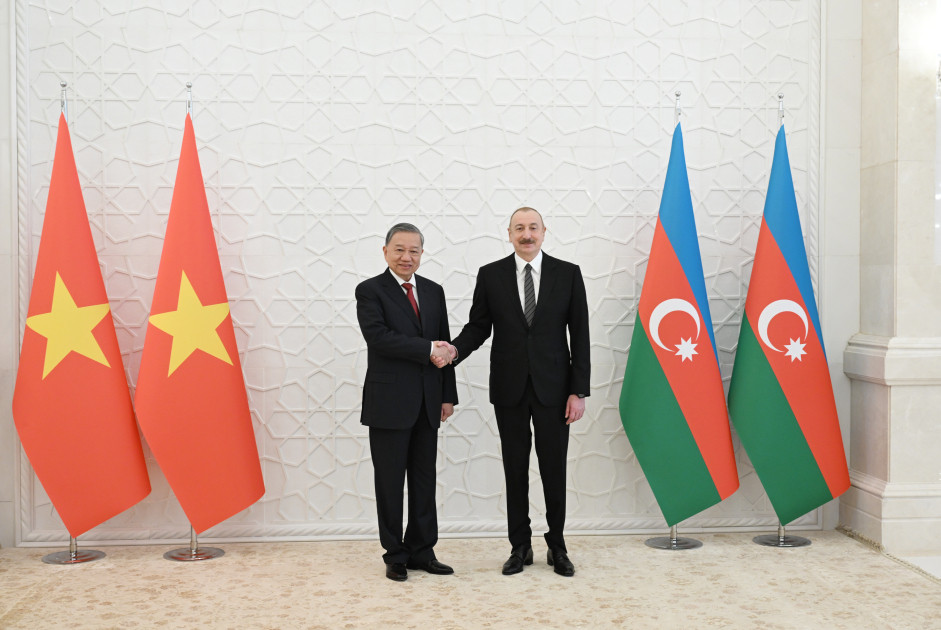
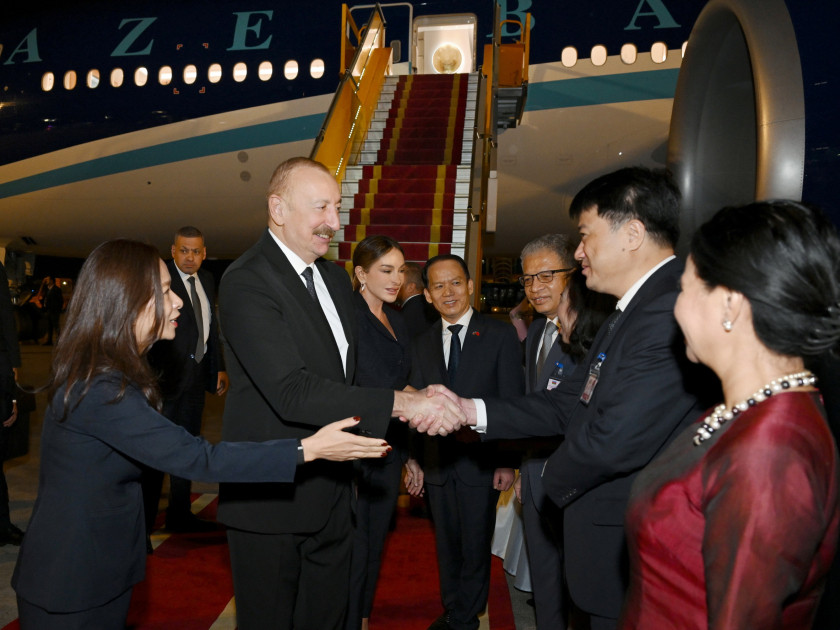
As AZERTAC reports, the symbolic continuity of this course is underscored by the official visit of President of the Republic of Azerbaijan Ilham Aliyev to Vietnam, which opens a new chapter in the chronicle of bilateral contacts.
Pages of a shared history
The modern dialogue between Baku and Hanoi rests on deep historical roots. As early as the beginning of the 1980s, during a period of intensive interstate interaction, top-level contacts laid the traditions of mutual respect and support. The dedication shown during that period by Azerbaijani specialists in the creation and development of Vietnam's oil and gas industry, as well as the studies of thousands of Vietnamese students at higher educational institutions in Baku, built unbreakable spiritual bridges between the two peoples. This historical experience and sincere human relations remained the most reliable point of support in interstate trust in the following decades as well. Cooperation built precisely on this solid foundation is today, amid new geopolitical realities, deepening even further and entering a qualitatively new stage.

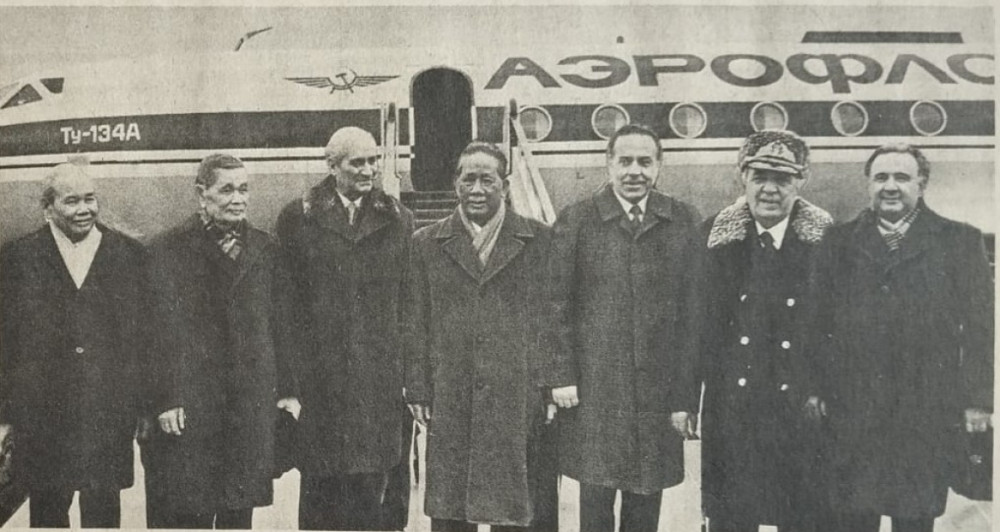
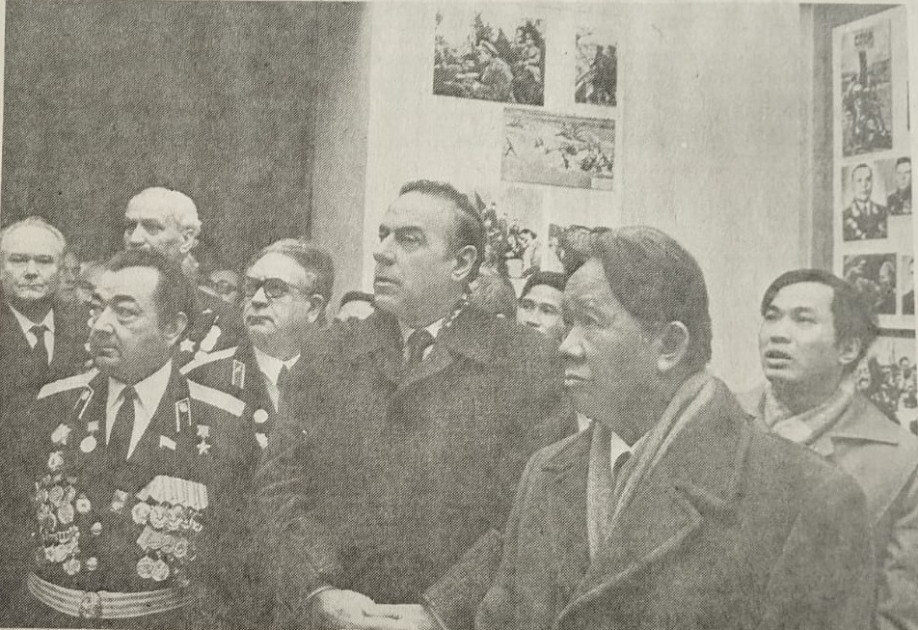
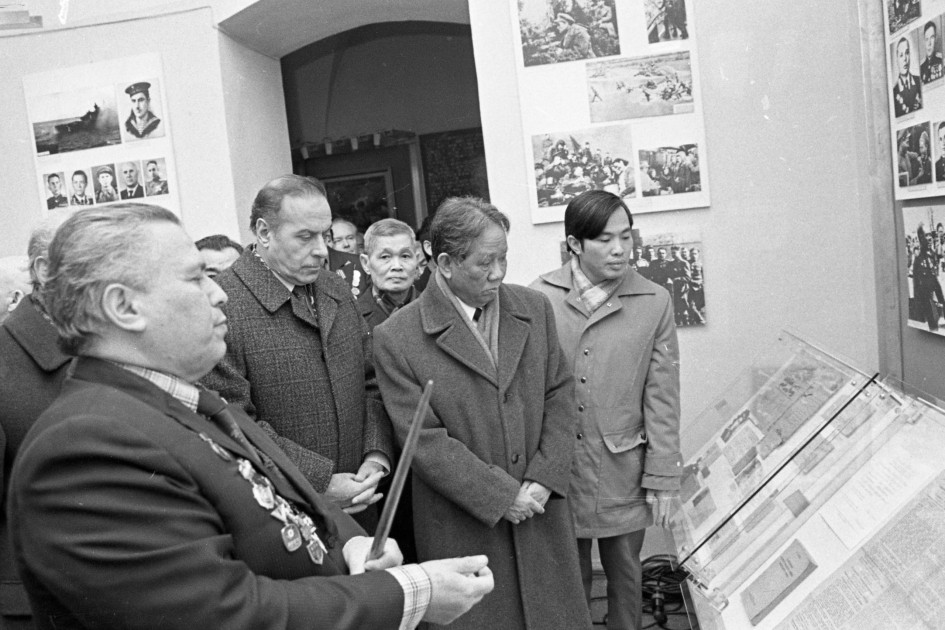
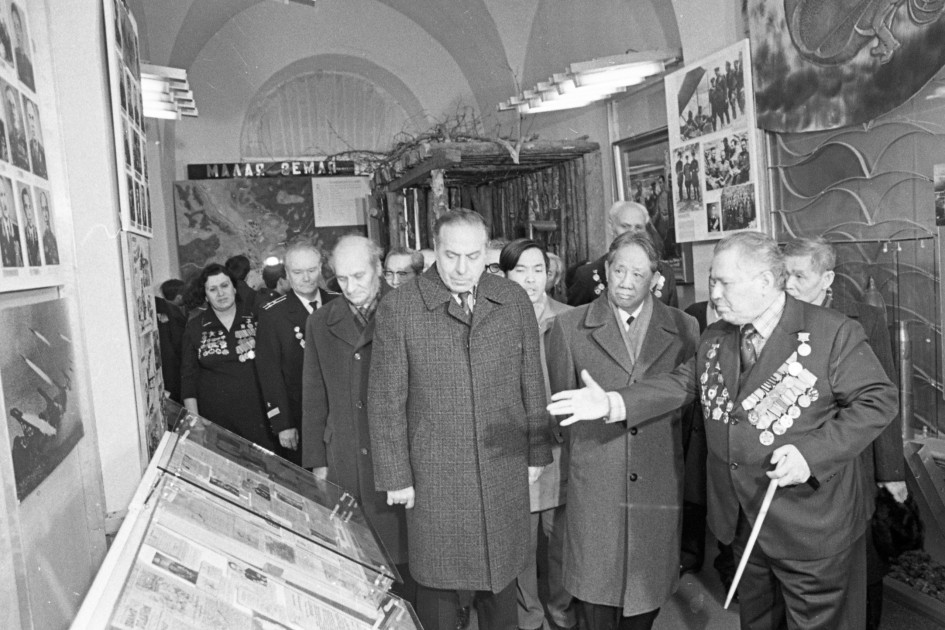
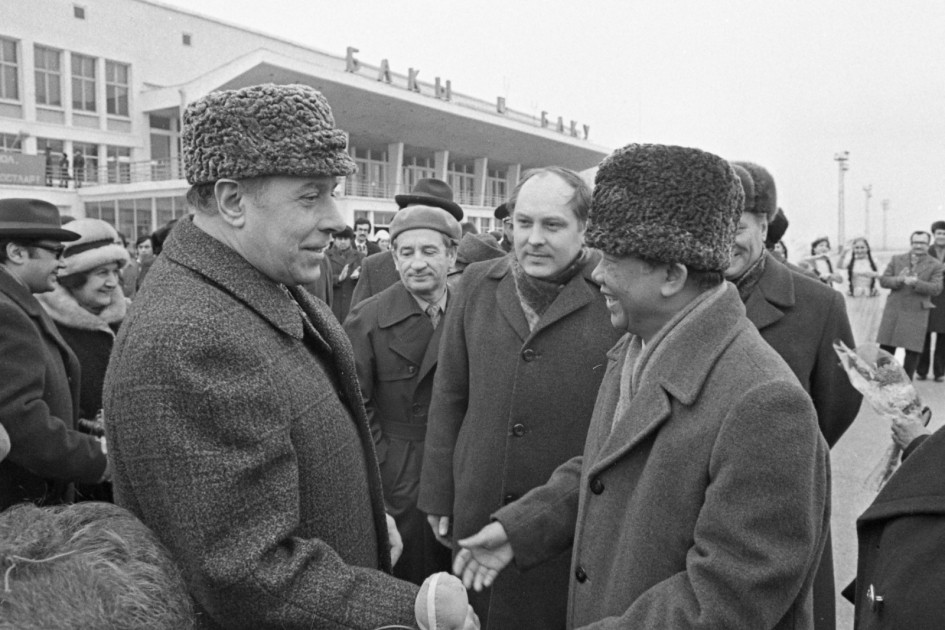
A landmark event was the visit to Baku in March 1981 of a delegation of the Communist Party of Vietnam led by General Secretary of the Central Committee of the Communist Party of Vietnam Le Duan. At the capital's airport, decorated with state flags and welcoming banners, the Vietnamese guests were personally met at the aircraft steps by the First Secretary of the Central Committee of the Communist Party of Azerbaijan, Heydar Aliyev. The festive mood that prevailed in Baku in those days was a manifestation not merely of protocol rules, but of the sincere brotherhood of two peoples bound to each other by spiritual ties despite the great distances. The delegation was greeted with applause by Vietnamese students studying at Baku universities, and girls in national costumes presented the guests with flowers and traditional sherbet.
Becoming acquainted at the Museum of History of Azerbaijan with the richest cultural heritage of our country, Le Duan then noted: "I was glad to become acquainted with the history of the civilization of this wonderful land, with its richest culture."

Together with Heydar Aliyev, the guests also visited the Palace of Friendship of the Peoples of the USSR and the Museum of Military Glory of the 18th Army. This visit became a vivid example of respect for shared historical memory and a heroic past. Frontline veterans warmly welcomed the delegation, emphasizing that the memory of the war unites peoples who know the price of freedom and independence.
Alongside the official meetings, the warm atmosphere of this historic visit was also reflected in sincere human contacts. Particular warmth was added to the visit by Le Duan's meetings with Vietnamese students studying in Baku and with the creative intelligentsia at the republican branch of the Soviet-Vietnamese Friendship Society. Welcoming the guests at that unforgettable evening, which brought together figures of poetry and art, People's Poet of Azerbaijan and Chairman of the Presidium of the Friendship Society Nabi Khazri set a high emotional tone for the meeting, while Secretary of the Central Committee of the Communist Party of Vietnam and Chairman of the Central Board of the Vietnamese-Soviet Friendship Society Xuan Thuy read his poem "Beloved Baku," written under the impression of his stay in the Azerbaijani capital. These sincere lines once again confirmed how strong the cultural and spiritual bridge between the two peoples is.

These relations received a reciprocal initiative in the fall of 1983, when a delegation headed by First Deputy Chairman of the USSR Council of Ministers Heydar Aliyev paid an official visit to Vietnam. This large-scale visit program, covering the country's main industrial and cultural centers from north to south – from the capital Hanoi to Ho Chi Minh City – confirmed how multifaceted and dynamic the development of bilateral relations was.
At friendship rallies attended by many thousands in Hanoi and Ho Chi Minh City, timed to coincide with the fifth anniversary of the Treaty of Friendship and Cooperation, words were spoken about the inviolability of ties between the peoples. These grand rallies were not merely official events, but a genuine celebration of solidarity that had passed through difficult trials. As Heydar Aliyev emphasized in his speech, the edifice of this friendship was built on a solid, tested foundation of common goals and interests, giving a powerful impetus to interaction in the political, economic, scientific-technical, and cultural spheres. In turn, a representative of the Vietnamese leadership, To Huu, conveyed warm greetings and expressed deep gratitude on behalf of the entire Vietnamese people.
A special place in the program of that trip was occupied by a visit to the Pha Lai thermal power plant – a most important construction project of economic and scientific-technical cooperation, where an international team of workers and engineers labored shoulder to shoulder. The commissioning of the first power unit of Vietnam's largest thermal power plant became an eternal symbol of creative partnership. In memory of the meeting, members of the delegation planted a palm tree of friendship on the territory of the station.
Continuation of traditions: the visits of President Ilham Aliyev
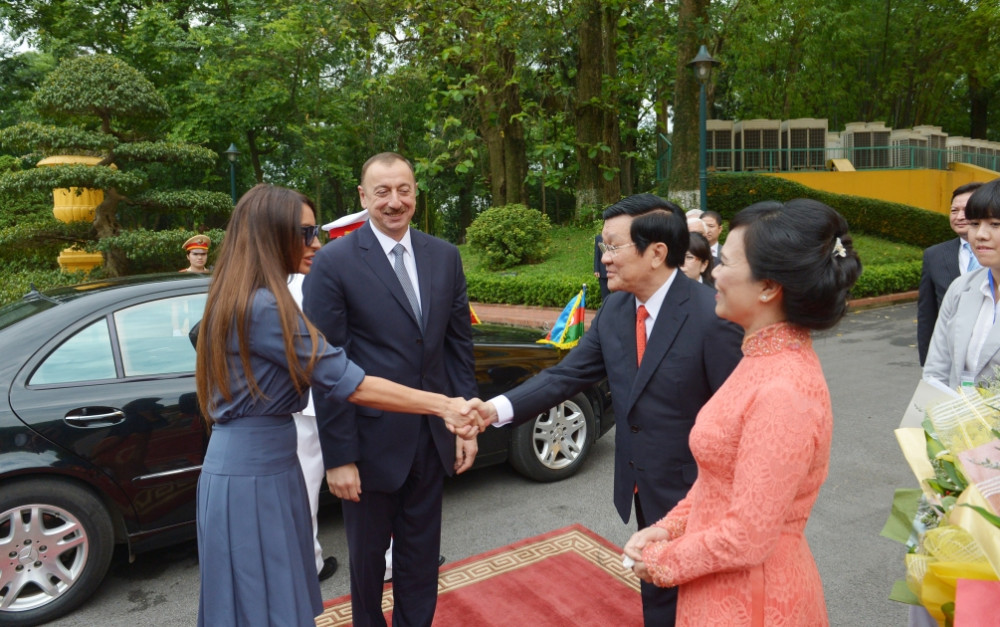
Decades later, the historical baton received a worthy continuation under the conditions of an independent Azerbaijan and a dynamically developing Vietnam. Despite the fact that times have changed, the spirit of mutual sympathy and trust between the two peoples has not only not diminished but, on the contrary, has been strengthened even further on the plane of equal partnership between sovereign states. The state visit of President Ilham Aliyev to Vietnam, which took place for the first time in May 2014 and set a high bar for bilateral dialogue at the present stage, became the logical development of that very "solid foundation" that National Leader Heydar Aliyev spoke about in 1983. This visit also played the role of a reliable bridge between the rich traditions of the past and a future-oriented pragmatic strategy of cooperation.

The current visit of the head of our state to Vietnam is a new significant stage in the strengthening of this consistent political course. The visit once again confirms that the partnership between Baku and Hanoi is of a deeply strategic nature, and that the parties are determined to raise cooperation to a qualitatively new level against the backdrop of global and regional challenges. While remaining committed to the traditions of friendship tested by decades, Azerbaijan and Vietnam today not only preserve the common values of the past but also shape an exemplary model of interstate relations, opening new horizons of cooperation designed for the future.

If in the 1980s the symbols of cooperation were the training of Vietnamese specialists in Baku, in particular for the oil and gas sector, and the participation of Azerbaijani engineers in the establishment of Vietnam's energy sector, then today the agenda has been filled with the pragmatic content of the 21st century. These relations are now experiencing a new stage of development on the plane of multi-vector economic partnership. This modern approach, built on historical traditions, serves the national interests and sustainable progress of both countries.
The experience accumulated by generations of oil workers and power engineers of the two countries has been transformed into modern joint projects between the State Oil Company of Azerbaijan (SOCAR) and the national oil and gas company of Vietnam, PetroVietnam. The established business dialogue has turned the energy sector into the main locomotive of bilateral relations. Along with this, amid the global energy transition, broad prospects are also opening up for cooperation in the field of green energy and renewable sources.
Amid the restructuring of global supply chains, both countries are showing mutual interest in developing transit corridors connecting Southeast Asia with the Eurasian space through Azerbaijan's transport hubs. The logistics integration created by Azerbaijan makes an important contribution to increasing trade turnover and diversifying regional economic ties.
Graduates of Azerbaijani universities, many of whom welcomed Vietnamese delegations in Baku in the 1980s, today hold prominent positions in Vietnam and are a kind of living bridge of friendship between the two states. The youthful memories of these people, who know the Azerbaijani language, culture, and hospitality of our people well, have today been transformed into efforts to develop interstate relations. Their sincere love for our country and active civic stance are the most valuable spiritual capital, ensuring the transfer of humanitarian ties between Baku and Hanoi from generation to generation.

Continuity of generations
Comparing the frames of archival newsreels from 1983 with the modern diplomatic agenda of President Ilham Aliyev, the consistency of Azerbaijani-Vietnamese relations is clearly traced. The sincere relations, friendly smiles, and creative enthusiasm in the historical photographs today find their new, more substantive embodiment in official documents, strategic projects, and high-level political dialogue. The tree of friendship planted decades ago has already taken deep root and is bearing abundant fruit. Today, Baku and Hanoi are building a dialogue on the principles of mutual respect, equality, and a focus on results, proving that a brotherhood tested by time remains the most reliable capital in a changing world.