Neighborhood test: what lies behind Iran's decision to declare AzTV an 'enemy channel'
The information landscape surrounding Azerbaijani-Iranian relations has once again been hit by a wave of tension.
This round looks especially stark against the backdrop of Baku's recent steps to support its neighbor during a severe military crisis: Azerbaijan warmly welcomed the suspension of hostilities, provided humanitarian aid, and President Ilham Aliyev personally visited the Iranian Embassy to express condolences over the death of Ayatollah Seyyed Ali Khamenei and civilians.
During a telephone conversation with the President of Azerbaijan, Iranian leader Masoud Pezeshkian expressed sincere gratitude for the humanitarian assistance Baku provided in the country's most difficult days, to which Ilham Aliyev highlighted the key principle of bilateral ties: Azerbaijan and Iran always stand by each other — both in good times and in difficult ones.
This stance was also evident during the recent visit to Baku by the Chairman of Iran's Islamic Consultative Assembly, Mohammad Bagher Ghalibaf.
Ghalibaf in Baku directly emphasized that in these difficult days "Iran has learned who its friend is and who its enemy is," and that Azerbaijan has proven its commitment to good-neighborliness.
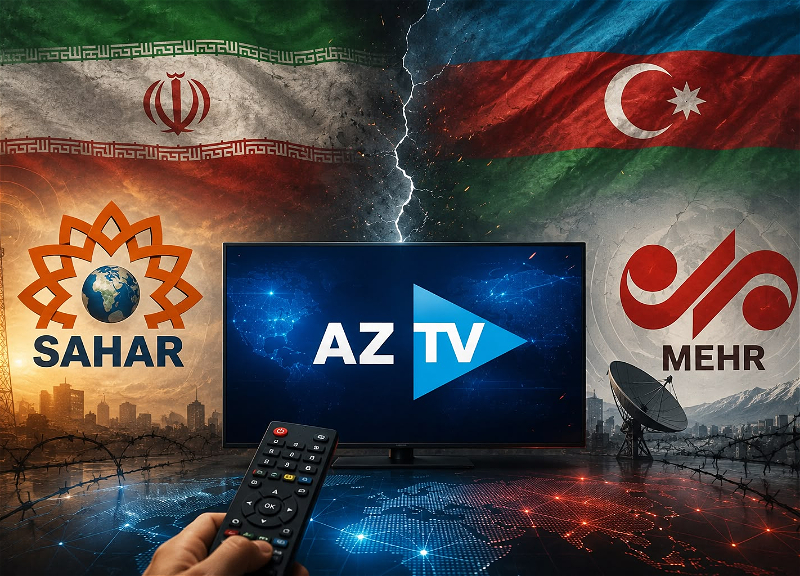
However, against the backdrop of these positive signals and official statements by Iran's top leadership about the value of friendship, Tehran's security agencies took a step that calls into question the unified line of the Iranian authorities. The inclusion of Azerbaijan's leading state television channel AzTV in the list of "enemy media structures" and threats of criminal prosecution against those cooperating with AzTV forced Baku to take mirror-image retaliatory measures.
The Media Development Agency of Azerbaijan (MEDİA) expressed deep bewilderment at such actions and, relying on Article 11.4 of the Law of the Republic of Azerbaijan "On Media," invoked the principle of reciprocity. The activities of the Iranian television channel "Səhər" and the news agency "Mehr," as well as their representatives, have been declared illegal on the territory of Azerbaijan. The agency called on domestic media outlets and journalists to strictly adhere to the framework of international law and cease any cooperation with the specified resources.
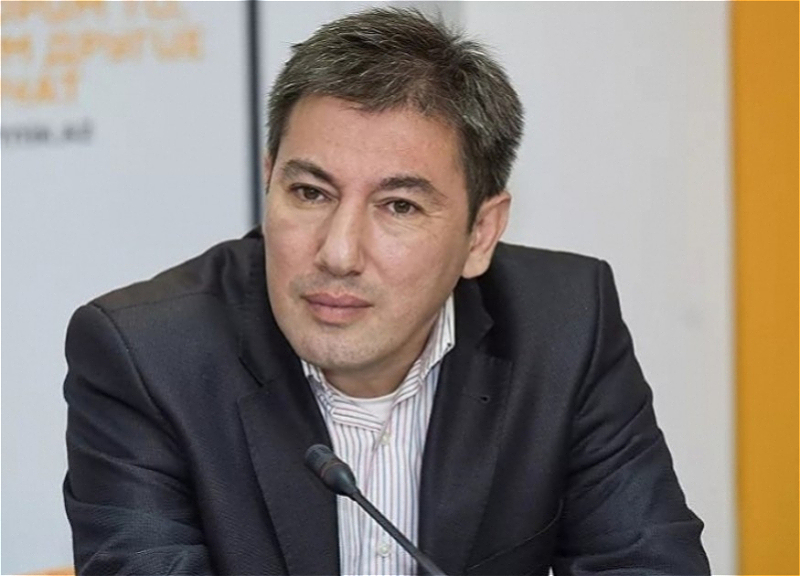
Political analyst and head of the "South Caucasus" Political Scientists Club Ilgar Velizade spoke to 1news.az about what lies behind the latest round of the information crisis and how it will affect the bilateral dialogue:
"For us, this news came as an expected surprise. Why a surprise? Because in recent months, the Iranian political leadership has consistently demonstrated a desire to continue constructive dialogue with Azerbaijan at the highest level — at the level of presidents and parliamentary leaders. The need to strengthen bilateral cooperation has been repeatedly emphasized.
Naturally, the media play a special role in this process. And given that AzTV is Azerbaijan's leading state television channel, such an attitude toward it at the very least causes bewilderment.
AzTV was effectively labeled an "enemy channel." Naturally, the Azerbaijani side reacted immediately. Today we can speak of a new information crisis in relations between the two countries. Moreover, it did not arise at Azerbaijan's initiative.
Especially since AzTV, as a rule, tried to avoid one-sided assessments in covering the Iran-Israel conflict involving the United States and sought to convey events as objectively as possible. However, judging by everything, Iran saw the situation differently and made the corresponding decision.
Given that the official wording included the term "hostile," it appears that Iran is either already engaged in or ready to begin an information confrontation with Azerbaijan.
In this situation, Baku's reaction was logical and timely. Appropriate measures have already been taken against two Iranian information resources. It would have been strange if Azerbaijan had left such actions unanswered.
At the same time, I would like to emphasize once again: Azerbaijan pursues an independent and sovereign foreign policy. Our country chooses friends and partners not at anyone's direction, but solely based on its own national interests. Any attempts — direct or indirect — to impose conditions on us or influence this choice are doomed to failure.
Azerbaijan consistently seeks to maintain good-neighborly relations with Iran and develop mutually beneficial cooperation in the interests of both peoples. However, such actions by the Iranian side only play into the hands of those forces interested in worsening Azerbaijani-Iranian relations.
Moreover, it appears that through its steps Tehran itself is contributing to the formation of precisely such a negative scenario. At the same time, it cannot be overlooked that anti-Azerbaijani propaganda has not ceased in Iran recently. Actions have been taken and statements made that in no way correspond to the spirit of good-neighborliness, mutual respect, and mutual understanding, the necessity of which representatives of the Iranian leadership so often speak about.
Under the current circumstances, it was quite expected that Azerbaijan would not stand aside and would respond in line with the logic of events. At the same time, it is important to emphasize that until the very last moment Baku maintained a restrained position. We closely monitored developments in Iran, analyzed the situation, and took into account the peculiarities of the position in which the country found itself amid the war.
However, if Tehran intends to view Azerbaijan as an adversary in the information space, that is Iran's choice, not Azerbaijan's. Our country is not interested in confrontation and consistently advocates for the development of good-neighborly relations.
At the same time, one cannot fail to note that a rather ambiguous situation has developed in Iran today. Under the influence of military events, the decision-making process has become less clear and consistent, which is probably also reflected in Tehran's foreign policy steps.
A logical question arises: why is it the Iranian Ministry of Intelligence that is taking it upon itself to assess the activities of the media, while other state structures prefer to remain silent? It appears that the existing uncertainty in Iran's decision-making system is playing a cruel joke on the state and leading to steps that only complicate relations with neighbors.
Sooner or later, Tehran must decide who Azerbaijan is to them. If, as officials have repeatedly stated, Azerbaijan is a friendly state, then such decisions and statements by security agencies clearly contradict this. If individual representatives of Iranian agencies continue to perceive Azerbaijan as a hostile party, then this indicates serious contradictions within the Iranian decision-making system itself. It is precisely this duality that causes the greatest bewilderment today."