Greater Caspian - a new axis of Eurasia
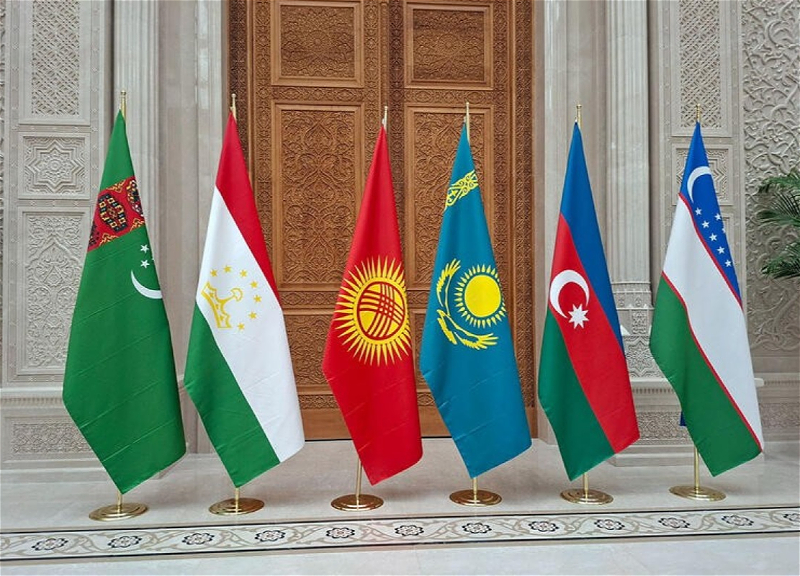
For several centuries, world history and global trade were built around ocean routes.
Continental lands of Eurasia with their great plains, mountain ranges and inland seas long remained on the geographical periphery. In historical perspective, they served more as a backdrop for the rivalry of external maritime powers than as an independent center of decision-making.
However, today the international architecture is changing rapidly. Due to the crisis of traditional sea routes, the fragmentation of global markets and the shift of the economic center of gravity to the East, the Eurasian continent faces a fundamental question: can the countries of the region manage their own destiny and develop without regard to foreign policy storms?
The answer to this challenge is taking shape right before our eyes. At the junction of the South Caucasus and Central Asia, a fundamentally new geopolitical space is being born - the Greater Caspian. From a closed body of water, it is turning into an independent, self-sufficient center of influence capable of setting the pace for the development of the entire Eurasian continent.

Partnership without unnecessary bureaucracy
The main feature of the current rapprochement is reasonable and deep pragmatism. The time has passed when regional cooperation required the creation of cumbersome supranational unions with strict rules that limited the independence of participants and generated an endless bureaucratic apparatus.
Today, states are choosing a model of flexible diplomacy. Azerbaijan is building clear, direct and transparent ties with its neighbors based on a pragmatic assessment of mutual benefit. This is an approach in which countries unite not "against someone," but for sustainable internal development and the protection of their own interests.
In this mobile system, Azerbaijan has become a natural and reliable link. With a fully independent foreign policy, a stable economy and developed institutions, Baku opens a safe and predictable access to international markets for partners from Central Asia. This approach helps the region maintain strategic autonomy and avoid dependence on geopolitical pressure from world power centers.
More than just transit: energy and digital technologies
If earlier ties between the two shores of the Caspian Sea were limited to the transportation of crude oil, natural gas and standard dry cargo, today cooperation has reached a fundamentally different level. The region is ceasing to be merely a transit corridor for the movement of foreign products - here, its own high-tech projects with high added value are being created.
The countries of Central Asia and Azerbaijan are actively joining forces in the field of renewable energy. A large-scale project to transmit "green" electricity generated by wind and solar stations of the steppe region along the bottom of the Caspian Sea through the South Caucasus to Europe is creating a completely new energy map of the continent.
In parallel, work is underway on major digital projects. The laying of fiber-optic cables along the Caspian seabed will connect Europe and Asia with fast, secure and independent internet traffic.
In addition, new industrial zones, joint ventures and modern logistics centers are growing on the coast. All this guarantees that the natural resources and favorable geographical location of the region will work directly to improve the living standards of local residents, rather than simply going abroad in the form of unprocessed raw materials.
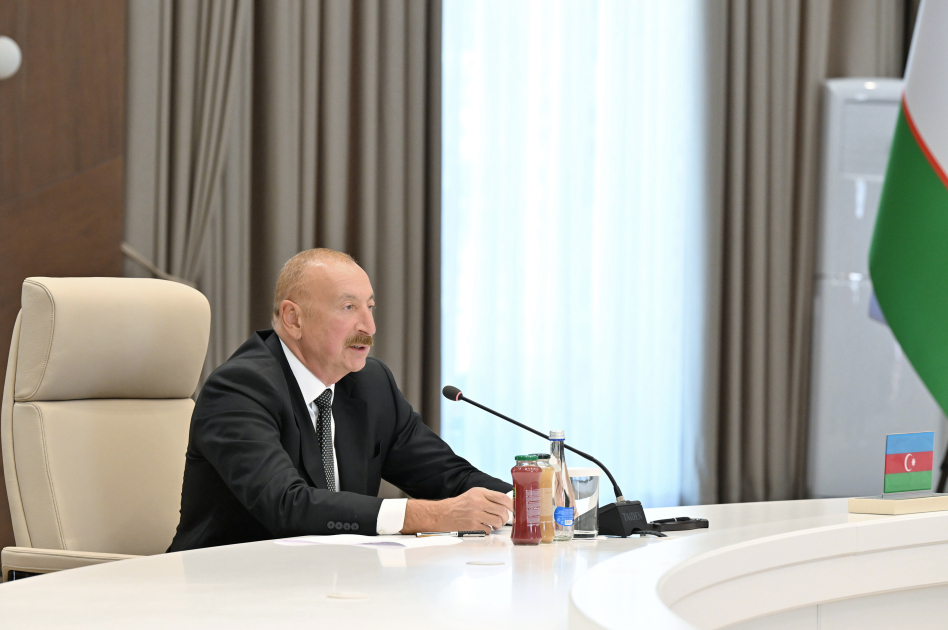
Cholpon-Ata: a historic step toward a unified region
A clear confirmation of this new reality was the informal meeting of the heads of state of Azerbaijan and the countries of Central Asia in the city of Cholpon-Ata. The negotiations recorded a major shift: Baku and the countries of the region no longer view themselves separately.
The event gained special significance with Ilham Aliyev's participation in the Consultative Meeting in a new status. The President of Azerbaijan noted the unprecedented intensity of contacts between the leaders:
"Relations with the countries of Central Asia are one of the priorities of Azerbaijan's foreign policy. It is enough to simply mention the dynamics of mutual visits. From the beginning of 2023 to the present day - over three and a half years - I have visited the fraternal countries of Central Asia a total of 16 times, and my colleagues during the same period visited Azerbaijan 26 times. That is, this statistic speaks better than anything about the dynamics, about the closeness of relations, about the fact that today Central Asia and Azerbaijan have already turned into one geopolitical and geo-economic region.
I would also like to note that I am participating in the Consultative Meeting for the first time as a full member of this format and would like to once again express gratitude to all the heads of state of Central Asia for the historic decision taken in Uzbekistan last year to include Azerbaijan in the full-format composition of this group. Previously, I participated as an honored guest, and now I am participating as a full member of the team.
I want to assure you that Azerbaijan will be an active member of the consultative format and will make every effort on its part to further expand cooperation and bring our countries and peoples even closer together."
Azerbaijan's official entry into this consultative format as a full member is more than a diplomatic step. In essence, the countries of the region have finally recorded the erasure of old geographical and political boundaries between the South Caucasus and Central Asia. This is about creating a single coordination mechanism where decisions are made collectively and in the interests of all team members.
Common roots and reciprocal impulse
A special place in this integration process is occupied by the Organization of Turkic States. In recent years, it has evolved from a consultative and cultural-humanitarian platform into a real geopolitical force that strengthens mutual trust and protects the interests of the countries belonging to it.
Common history, cultural traditions, linguistic kinship and similar civilizational values make economic and logistical agreements resilient to external political fluctuations. The leaders of the region speak the same language in both literal and semantic terms, assess global security challenges in the same way and jointly build long-term development plans.
The region's independent future
The process of uniting the potentials of the South Caucasus and Central Asia around the Caspian basin is a natural step toward full economic and political independence. The time when the fate of these lands and the peoples living here was decided in distant foreign capitals has passed once and for all.
Azerbaijan, relying on its unique experience of defending state sovereignty, restoring territorial integrity and implementing grandiose international legal and infrastructure projects, is helping to move these processes forward. Together with partners from Kyrgyzstan, Kazakhstan, Uzbekistan, Turkmenistan and Tajikistan, a new reality is being created in which the Caspian no longer divides but unites.
The Greater Caspian today is not just a point on the map, but a space of stability, mutual respect and confidence in the future. The region has proven to the international community that its true strength lies in its ability to independently unite national interests for the sake of building a common sovereign future.