Passenger liner larger than the Titanic to be sunk in the Atlantic - PHOTO - VIDEO

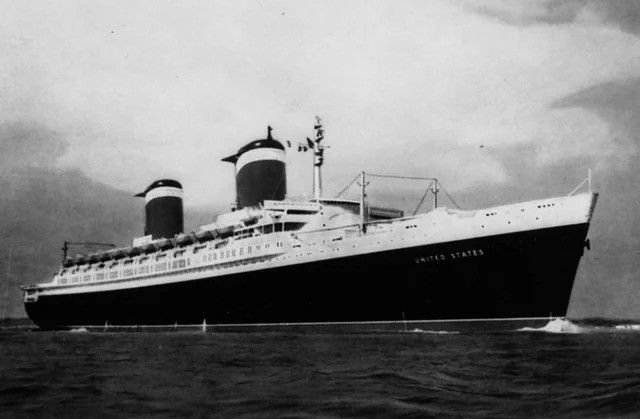
The authorities of Okaloosa County (Florida) plan to sink the American passenger liner SS United States in the Gulf of Mexico in order to turn it into an artificial reef.
As 1news.az reports citing The Independent, the vessel is considered one of the outstanding engineering achievements of the mid-20th century. It was built with the aim of setting a speed record for crossing the Atlantic Ocean. In 1952, during its first voyage, the liner covered the route in three days, 10 hours and 40 minutes, setting a record that has not been broken to this day.
The SS United States was also designed with possible military use in mind. It could carry about 14,000 service members and travel up to 10,000 nautical miles without refueling, but it never took part in military operations.
Over the years of its operation, the liner's passengers included U.S. Presidents Harry Truman, Dwight Eisenhower, John Kennedy and Bill Clinton, as well as celebrities, among them Marilyn Monroe, Walt Disney, Salvador Dalí and Coco Chanel. In 1963, the ship carried Leonardo da Vinci's painting "Mona Lisa" across the Atlantic.
Due to the growing popularity of air travel, the liner's passenger traffic gradually declined. In 1969, it made its final voyage and was taken out of service. In the following decades, attempts were made to restore the vessel and convert it into a cruise liner, but none of the projects was carried out.
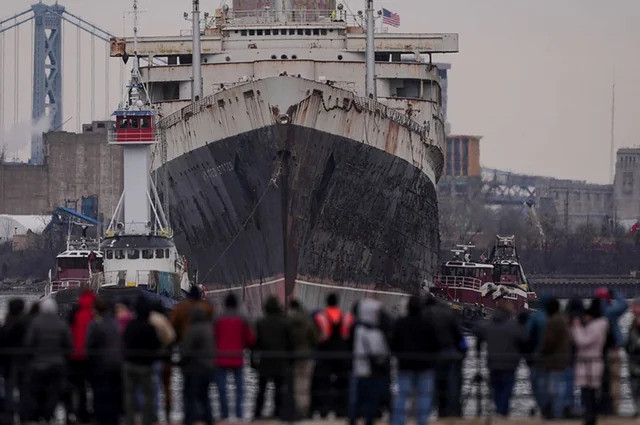
For more than 30 years, the SS United States sat at a pier in Philadelphia. In the end, the authorities decided to turn it into an artificial reef, despite protests from historic preservation organizations.
A total of 10.1 million dollars has been allocated for the project, of which 1 million will go toward creating a museum dedicated to the liner's history. The vessel is planned to be sunk in the second week of November, depending on weather conditions.
The liner will lie at a depth of about 55 m, and its upper decks will be located approximately 18 m from the water's surface.