Largest protests in India: activist stages 26-day hunger strike
Indian activist Sonam Wangchuk ended his 26-day hunger strike, which he conducted in solidarity with a large-scale youth protest movement seeking reform of the education system and the resignation of Indian Education Minister Dharmendra Pradhan.
Despite the end of the action, organizers stated that protests across the country would continue. They have already become one of the largest anti-government youth campaigns in recent years.
Fifty-nine-year-old Wangchuk announced an indefinite hunger strike on June 28 at the Jantar Mantar site in New Delhi. For nearly a month he refused food, demanding a fair investigation into the large-scale scandal involving the leak of examination materials, protection for peaceful protest participants, and accountability for officials responsible for organizing the national entrance examinations. According to the activist, the decision to end the hunger strike was made after prolonged negotiations with government representatives and receipt of guarantees on a number of demands, as well as due to fears of further escalation of the situation in the country.
The trigger for the mass protests was the scandal surrounding the national entrance examination NEET, which more than two million applicants take annually when planning to enter medical educational institutions. After the exam was held in May, it became known about the leak of examination materials. The authorities decided to annul the results and schedule a repeat test, which caused sharp criticism from students and their families.
For millions of Indian schoolchildren, successful passing of NEET is considered one of the few ways to obtain a prestigious education and secure a stable future. Many families spend significant funds on preparing their children, paying for years of tutoring and specialized courses, often selling property or taking out loans. Against the backdrop of the repeat exam and increased psychological pressure, according to participants in the protest movement, more than twenty students committed suicide.
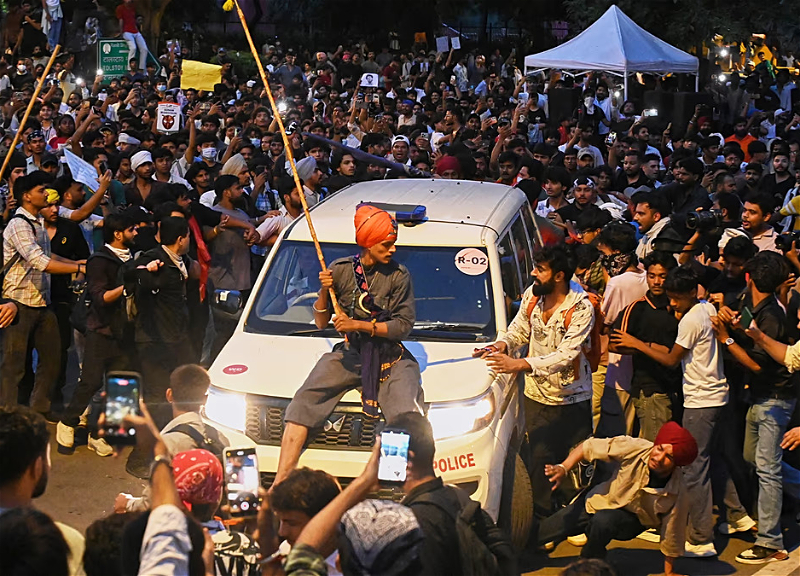
The largest protest action took place on July 20 in New Delhi. Tens of thousands of young people took to the streets, demanding the resignation of Education Minister Dharmendra Pradhan, reforms in the education system, and an investigation into the circumstances of the examination materials leak. The demonstration was timed to coincide with the opening of the summer session of the Indian parliament and became one of the largest anti-government youth actions in recent years. During the dispersal, police used batons and tear gas, which caused a new wave of public discontent.
Despite the end of Sonam Wangchuk's hunger strike, the organizers of the movement stated that protest actions would continue until the authorities fulfill key demands, including the resignation of the education minister, systemic reform of national examinations, and bringing those responsible to justice.