New horizons of development: strategic investment from North West and technology from Italy's Falorni - PHOTO

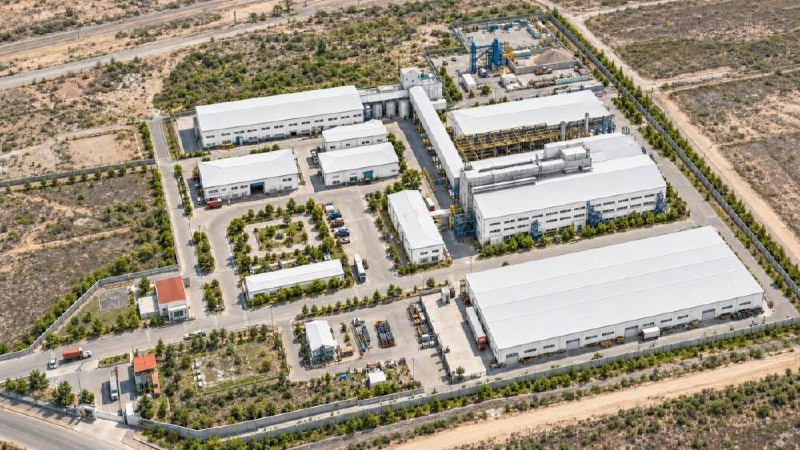
North West Construction LLC (Azerbaijan) and FALORNI TECH S.R.L. (Italy) have signed a comprehensive turnkey contract for the modernization, restoration and commissioning of a glass container plant located in Baku's Garadagh district.
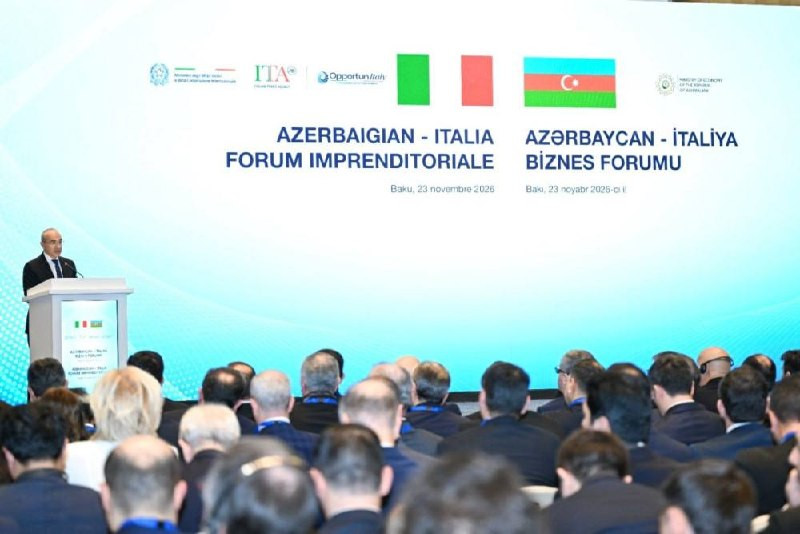
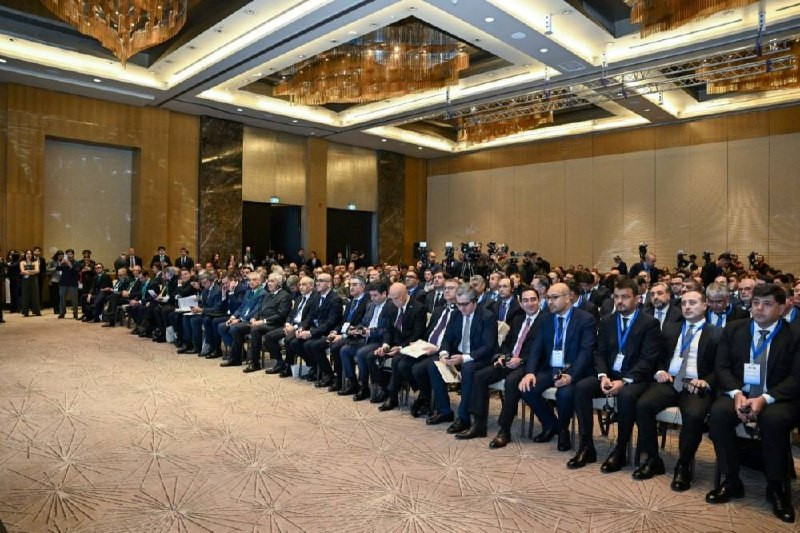
The parties signed and exchanged the contract documents on Nov. 23, 2026, during the Azerbaijani-Italian business forum held in Baku under the auspices of the Ministry of Economy of the Republic of Azerbaijan and Italy's Ministry of Foreign Affairs and International Cooperation. The plant was privatized by North West Construction through an investment tender conducted by the State Service for Property Issues under the Ministry of Economy of the Republic of Azerbaijan.
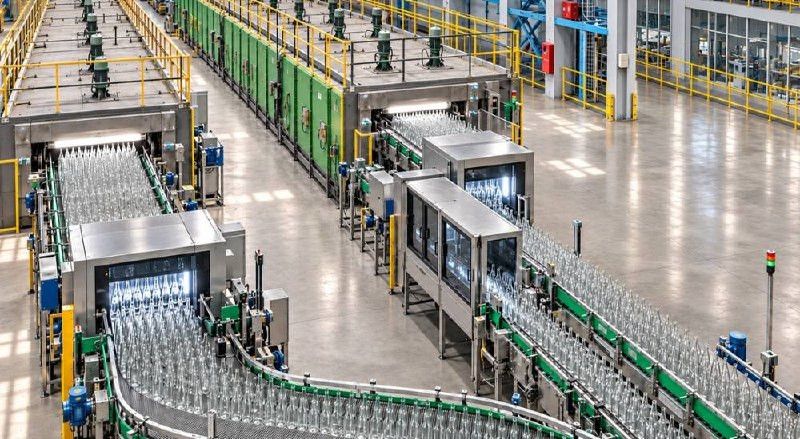
Under the contract, Falorni will carry out a package of works and services covering engineering design, the procurement and supply of equipment, installation, the integration of technological systems, commissioning, performance testing, staff training and handover of the facility to the client. These measures are intended to restore the plant's reliable and efficient operation. On completion of the project's first stage, the plant's production capacity is expected to reach about 120 tons a day, with annual output of around 110 million glass containers, depending on the production configuration finally approved.
FALORNI TECH is an Italian engineering and technology company that has been in business since 1958. It specializes in glass production technologies and the design of glass melting furnaces, and has extensive experience in delivering turnkey EPC projects in various countries around the world.
The next stage of the project provides for the installation of a second glass melting furnace in order to further increase the plant's production capacity. The second furnace is expected to have a capacity of 100-130 tons a day, corresponding to annual output of around 90-125 million glass containers. Once both stages are complete, the plant's combined production capacity is expected to reach 220-250 tons a day, with annual output of around 200-235 million glass containers. The expansion will make it possible to meet a significantly larger share of Azerbaijan's growing demand for glass packaging with domestic products, reduce dependence on imports and broaden the product range.
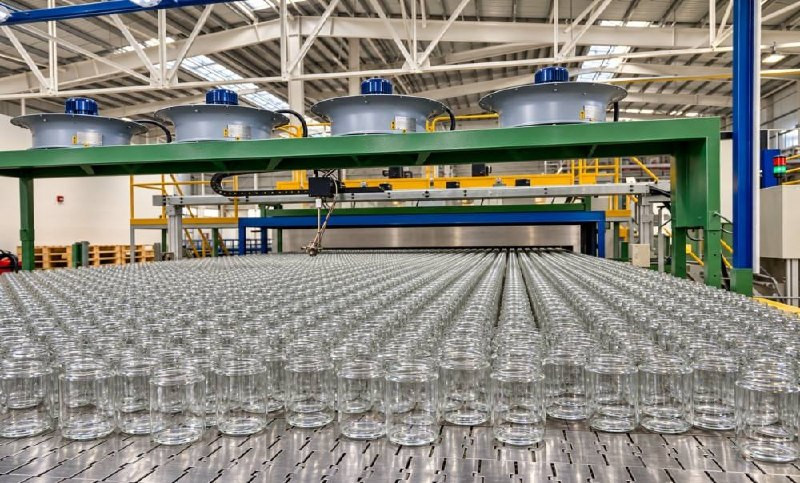
The modernized plant will produce a wide range of glass containers for the domestic and regional markets, including glass bottles for beverages and food products, jars for food and canned goods, and other types of glass packaging in various sizes, shapes and technical specifications. The project will combine North West's investment potential and its competence in delivering projects on the local market with Falorni's international experience and specialized technological expertise in glass production. The plant will become the first modern, efficient and competitive production facility of its kind in Azerbaijan.
Equally important, the cooperation between the companies is not confined to the modernization and commissioning of the plant. Falorni will also act as North West's operating partner, providing technological know-how, support in organizing and running production, expert assistance in equipment maintenance and experience in optimizing technological processes. The long-term operating partnership is aimed at ensuring stable production, continuously improving product quality and the efficiency of production processes, and sustainably developing the enterprise.
The project will also make a significant contribution to the development of Azerbaijan's economy and to industrial diversification by substantially increasing domestic production of glass packaging in both quality and quantity and reducing dependence on imported products. The growth of local production will allow buyers of glass containers and other types of glass packaging to cut procurement, transport and logistics costs, improve supply reliability and shorten delivery times. In addition, the project is intended to create hundreds of new jobs, develop the professional and technical skills of local specialists, support domestic suppliers, and generate additional tax revenues for the state budget and a long-term economic effect for the country.
Under the first stage of the project, production at the plant is expected to start in early 2028.