Brazil introduces full ban on foie gras
President of Brazil Luiz Inácio Lula da Silva signed a law banning the production, sale and import of foie gras in the country.
The decision was made late Thursday evening after the document was approved by the National Congress and became another step by Brazil in strengthening animal protection.
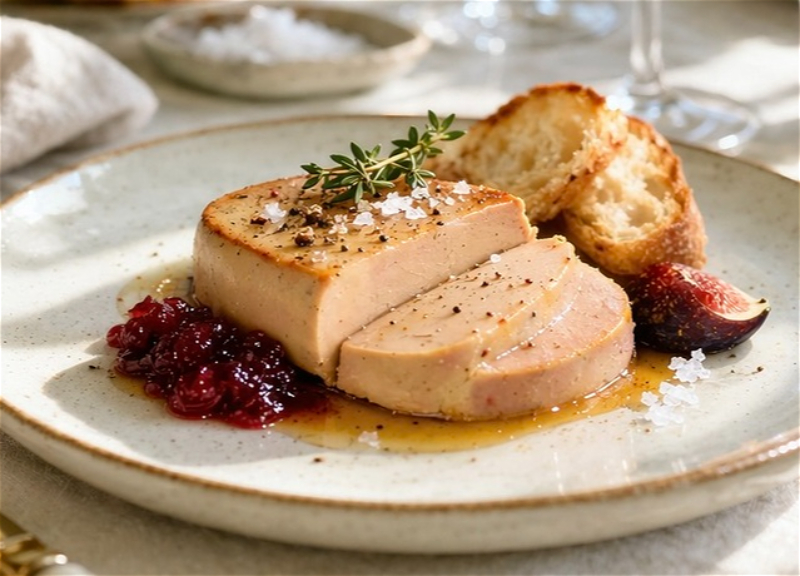
Foie gras is a delicacy traditionally made from the liver of ducks or geese specially fattened by force-feeding. This production technology has been the subject of international disputes for many years. Animal rights and welfare organizations consider such practices cruel treatment of animals, while producers and supporters of the product argue that the technology meets current veterinary requirements.
Although Brazil's own production of foie gras was insignificant, the new law effectively closes the domestic market to imported products as well, primarily those supplied from France, where foie gras is considered part of the national gastronomic heritage and traditional cuisine.
The issue of producing this delicacy has long caused disagreements at the international level. Today, the production of foie gras is banned in about twenty countries around the world. A number of states have also introduced restrictions on its import. In particular, India and China previously banned the import of this product, citing animal welfare concerns.
The adoption of the law in Brazil has caused a negative reaction from French producers. The Interprofessional Association of Foie Gras Producers of France (CIFOG) stated that the introduced restrictions may contradict the provisions of the trade agreement between the European Union and the MERCOSUR association, of which Brazil is a member. Industry representatives believe that the ban could create additional barriers to bilateral trade in agricultural products.
At the same time, the issue of compliance of production technology with international animal protection standards remains a subject of discussion. A report published by the European Union in 2022 stated that current methods of foie gras production comply with established requirements in the field of animal welfare. However, representatives of environmental organizations disagree with this assessment.
Marina Lacorte, campaign manager for food systems protection at the international organization World Animal Protection, stated that the concept of proper animal treatment in this case remains controversial. According to her, from the point of view of animal protection organizations, the practice of force-feeding is incompatible with the principles of humane treatment regardless of current regulatory assessments.