Trump declares a state of emergency over threats to the U.S. power grid
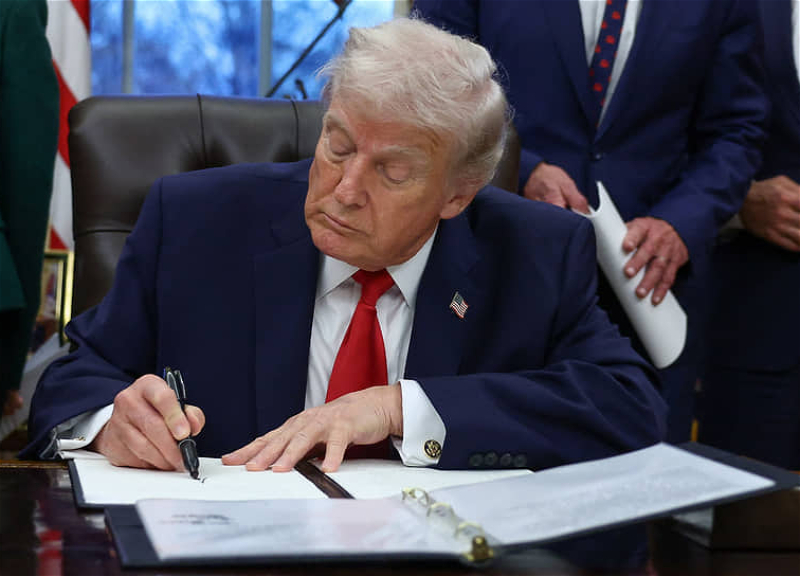
U.S. President Donald Trump has decided to declare a state of emergency over "threats to the energy system" and has restricted the use of a number of foreign technical devices in it.
The corresponding executive order has been published on the White House website.
"I find that the situation with the supply from abroad of electrical equipment for power grids constitutes an unusual and extraordinary threat to the national security, foreign policy and economy of the United States, which has its source in whole or in substantial part outside the United States, and I hereby declare a national emergency with respect to this threat," the text of the order states. "This threat exists both in the case of individual transactions and in the case of transactions as a whole. To counter this threat, additional measures are needed to protect the security, integrity and reliability of electrical equipment for power grids used in the United States."
Under Trump's decision, the purchase and installation of a number of types of foreign-made electrical equipment and critically important software, as well as digital components that could exploit vulnerabilities in the American power grid for cyberattacks, is prohibited. Such equipment includes high-voltage transformers, inverters for solar and battery systems, generators, relay protection devices and "intelligent electronic devices." The secretary of energy, in coordination with other agencies, is authorized to determine the conditions for operating already installed imported equipment in order to eliminate risks, as well as the timeframes and procedures for terminating current and future transactions that fall under the order.
In early July, Trump said in an interview with CNBC that he expects the country's electricity generation to double. U.S. Vice President JD Vance, in an interview at the end of June with journalist Michael Knowles, acknowledged that China is ahead of the United States in the field of AI thanks to the active development of the energy infrastructure needed for data centers to operate.
Source: TASS