Wildfires threaten new regions of Europe: WHO assesses the risks
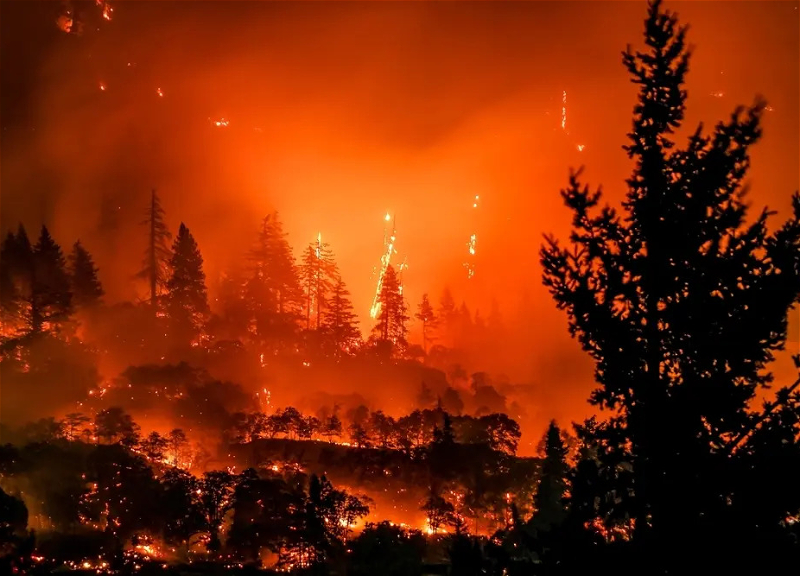
Most wildfires in Europe are caused by humans, but their scale and intensity are largely increased by warmer and drier conditions linked to climate change.
1news.az reports this citing the UN News Service.
According to the European Forest Fire Information System, more than 600,000 hectares burned in EU countries during the first eight months of 2026. This is significantly higher than the average over the past 20 years — about 280,000 hectares — although it is less than during the same period in 2025, which was the worst year on record.
In addition to France and Spain, which are traditionally prone to fires, heightened risks are now being observed in Western and Central Europe, the British Isles, and southern Scandinavia.
The situation in the near term may be further complicated by the effects of the developing El Niño phenomenon, which can influence temperature and precipitation and increase the likelihood of extreme weather events.
The WHO urges countries to assess risks in advance and prepare their health systems for the consequences of wildfires. Cyprus and Ireland conducted comprehensive national risk assessments for the first time, including wildfires and heat waves among the priority threats to health. Since 2018, the WHO has held 38 national workshops on strategic risk assessment in the European Region.