COP17 and the water question: is Armenia ready for environmental responsibility?

The global relevance of the environmental agenda today no longer requires additional proof.
From a topic that until relatively recently was perceived primarily as the domain of ecologists and specialized international organizations, it has turned into one of the central issues of world politics. Climate change, the reduction of biodiversity, the shortage of fresh water, land degradation, and the pollution of transboundary ecosystems are directly linked to economic sustainability, food security, and the quality of life of millions of people.
The international community is paying increasing attention to the environmental agenda. Moreover, the platforms for discussing environmental problems have more than just protocol significance. The question is to what extent the environmental reality of the host country itself corresponds to the role it assumes by becoming a tribune for major international forums.
Such a question is especially relevant in connection with the holding in Armenia of the next Conference of the Parties to the UN Convention on Biological Diversity — COP17. The forum will take place in Yerevan on October 19–30 and will become the first global review of collective progress in implementing the Kunming-Montreal Global Biodiversity Framework. In other words, the discussion will concern not only declarations, but also how much states are actually fulfilling the environmental commitments they have undertaken. As for Armenia, its environmental problems are far from limited to its internal borders. A considerable part of them is transboundary in nature and directly affects neighboring states, including Azerbaijan. And here a certain contradiction arises.
We recently presented an overview of Armenia's environmental problems, many of which go beyond the local scale. Among them there is one that particularly clearly demonstrates the gap between international environmental rhetoric and practice — the water problem. Let us dwell on it in more detail.
Water as an indicator of environmental policy
Armenia's problems with regard to water resources have been recorded not only at the expert level. The World Bank directly characterizes Armenia as a country already experiencing a high level of water stress. According to its assessments, the excessive exploitation of groundwater in the Ararat Valley and the pressure on Lake Goycha (in Armenia it is called Sevan) create threats both to agriculture and to the water supply of the population. At the same time, the situation is aggravated by climate change.
The details are telling. In the Ararat Valley, the volumes of groundwater withdrawal for commercial fish farming and irrigation exceed the annual natural replenishment. This means that more water is taken from the aquifer system than nature manages to return to it. In the long term, such a model cannot be sustainable.
No less serious is the situation with Lake Goycha — the World Bank notes that the permitted water releases from Sevan to meet irrigation demand significantly exceed the historical natural runoff. At the same time, worn-out infrastructure leads to enormous water losses: in irrigation systems they are estimated at 20–67 percent, and in municipal water supply systems at an average of approximately 70 percent.
A paradoxical situation emerges: on the one hand, the country experiences water stress, and on the other, a significant part of the available resource is lost in inefficient infrastructure, while groundwater continues to be intensively exploited.
Particularly alarming is that the problem already has not only a projected but also a quite measurable scale.
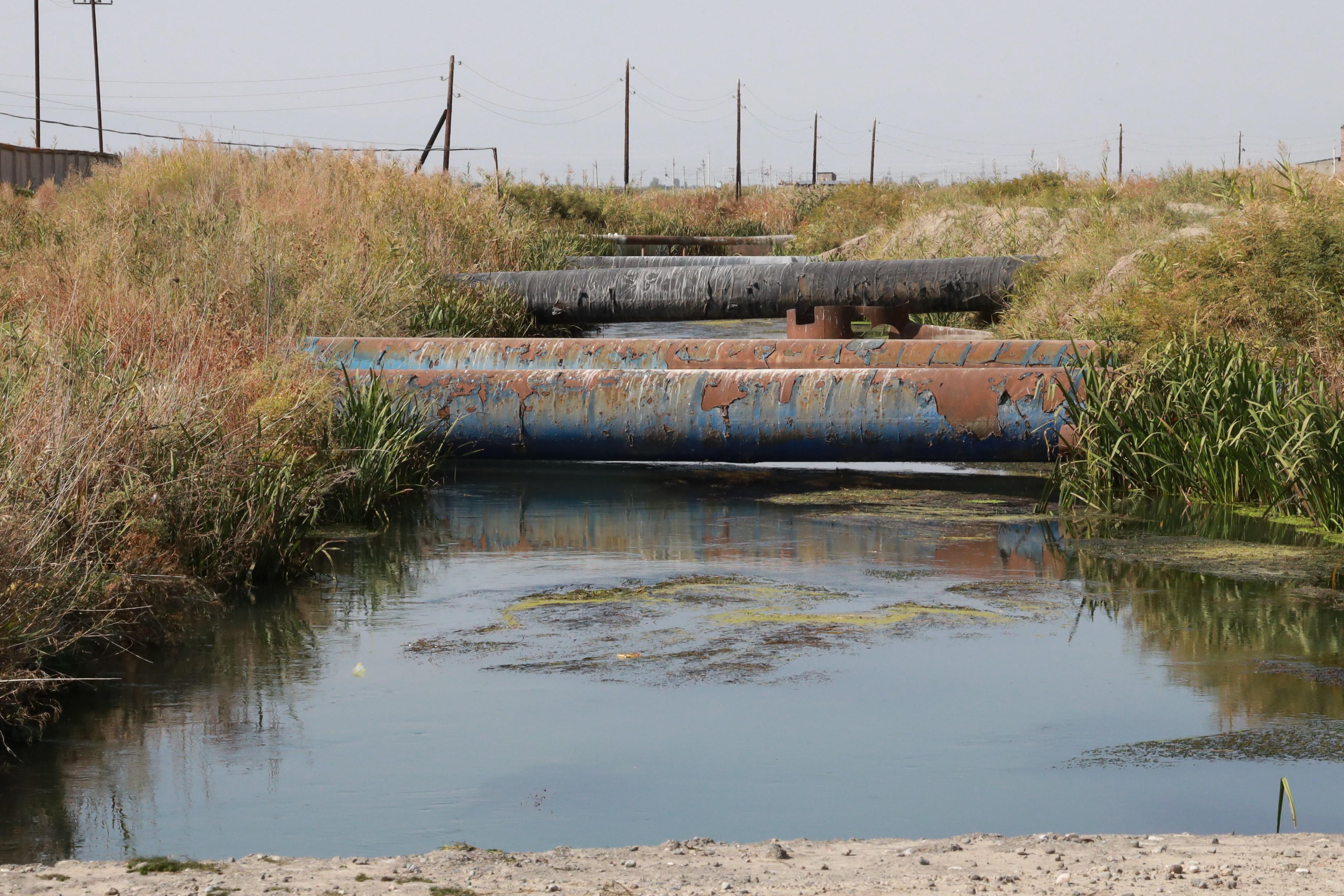
In August 2026, Armenia's Environmental and Subsoil Protection Inspection Body reported an inspection of 969 deep wells in the Ararat and Armavir regions, which were being operated without water use permits. The operation of 146 wells was suspended, administrative fines totaling 53.1 million drams were imposed, and information on another 208 wells was sent for inclusion in the lists of facilities subject to conservation or liquidation.
The most noteworthy thing here is not only the number of violations, but also the volume of the resource. According to the Armenian agency's own estimate, the suspension of the operation of these wells makes it possible to save about 15.06 million cubic meters of water annually — approximately 1,160 liters per second.
This is no longer an abstract environmental problem — hundreds of deep wells without the necessary permits demonstrate that the water resource management system is facing serious problems of control and enforcement of environmental requirements.
In its more recent assessment of Armenia's water sector, the World Bank also points to the depletion of the Ararat artesian basin, changes in water availability under the influence of the climate, and growing demand for irrigation. The efficiency of irrigation systems, according to the bank's assessment, is only about 25 percent — significantly below the indicators of modern systems.
In other words, the problem is not simply that Armenia "lacks water." The problem is how this water is extracted, distributed, consumed, and controlled.
The "lords" of water
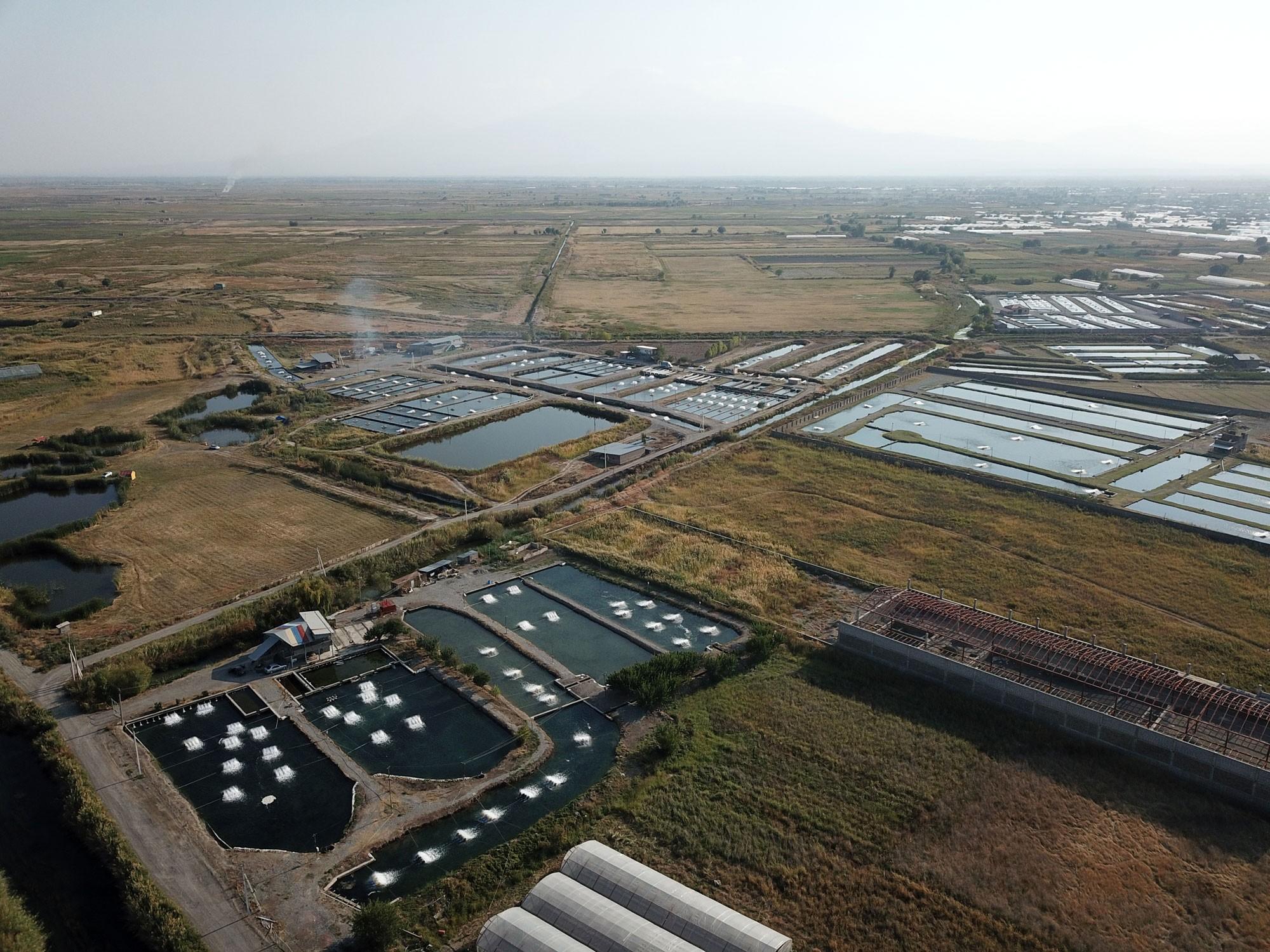
There is also another side of the coin: in Armenia the balance of groundwater, that is, its consumption and restoration, began to be disrupted in 2008, when fish farming was recognized in state development programs as one of the priority sectors. It was as a result of this that artesian water reserves began to be used mercilessly in the Ararat Valley. In parallel with this, since 2010 fish exports have reached unprecedented volumes. The fish business in the Ararat Valley enjoys patronage at a high level. In Armenia itself this is explained by the fact that officials used enormous water reserves without any oversight to develop their fish farms, in connection with which artificial ponds were created on agricultural lands. The super-consumers of the artesian basin were and remain officials, as well as their relatives, the Armenian press wrote. It is precisely they who enjoy the benefits granted by the government. Large fish farms were founded, for example, by former deputy and oligarch Gagik Tsarukyan, former Prime Minister Hovik Abrahamyan, and others. Officials involved in the fish business earned millions by exporting fish — having drilled illegal wells and consuming, without any oversight, as much water as their fish farms needed.
The fish business in Armenia has become quite attractive. More and more groundwater began to be used for it, as a result of which less and less water remained for the irrigation of agricultural lands. Artesian wells began to grow shallow and even dry up. Dozens of hectares of land were left without irrigation. The business acquired such a scale that over the past ten years the volume of live fish exports from Armenia has grown 75-fold.
In 2025, the World Bank approved a large-scale program for the modernization of Armenia's water supply and irrigation, directly pointing to the need to reform the institutions and policies of water resource management, increase irrigation efficiency, and reduce losses. The program, with a total budget of $435 million, is designed for 10 years. Armenia's parliament ratified the agreement on the first stage of the program, which will last from 2025 to 2031. However, the volume of allocated funds by itself does not yet guarantee a solution to the accumulated problems. The key will be how effectively, transparently, and for their intended purpose these funds will be used, what exactly the changes they will make possible in practice will be, and whether the investments will lead to a real reduction in water losses, a more rational use of resources, and strengthened control over their exploitation. Ultimately, the result of this program will be determined not by its financial scale, but by how tangible the changes in Armenia's water resource management system turn out to be.
Rivers that know no borders
Up to this point, one could speak exclusively about Armenia's domestic environmental policy. But the geography of the South Caucasus does not allow water to be considered in national isolation.
Armenia is located in the upper reaches of a number of water systems whose waters then cross state borders. The region's rivers form a single hydrological system, and the basins of the Kura and Araz rivers connect the territories of several states. Armenia belongs to the Kura basin, while a significant part of its river runoff is linked to the Araz basin, which then passes through the territories of neighboring countries and joins the Kura.
For Azerbaijan, located in the lower reaches of a significant part of the regional water systems, the condition of the water arriving from the territory of the neighboring country is of direct importance. In particular, the Araz, which is the largest right tributary of the Kura, is of enormous importance for irrigating farmland on the territory of Azerbaijan.
An obvious environmental principle applies here — pollution does not stop at a state border. This is precisely why international practice regards transboundary waters as a separate sphere of environmental security. The United Nations Economic Commission for Europe (UNECE) directly points to the need for equitable and reasonable use of shared water resources, cooperation between states, and the prevention of harm to neighboring countries.
In this context, the situation with the Okhchuchay looks especially telling. The river, which originates on the territory of Armenia, passes through the Syunik region, then crosses the border of Azerbaijan and flows into the Araz. Therefore, any serious pollution of the river on the Armenian stretch inevitably becomes Azerbaijan's problem.
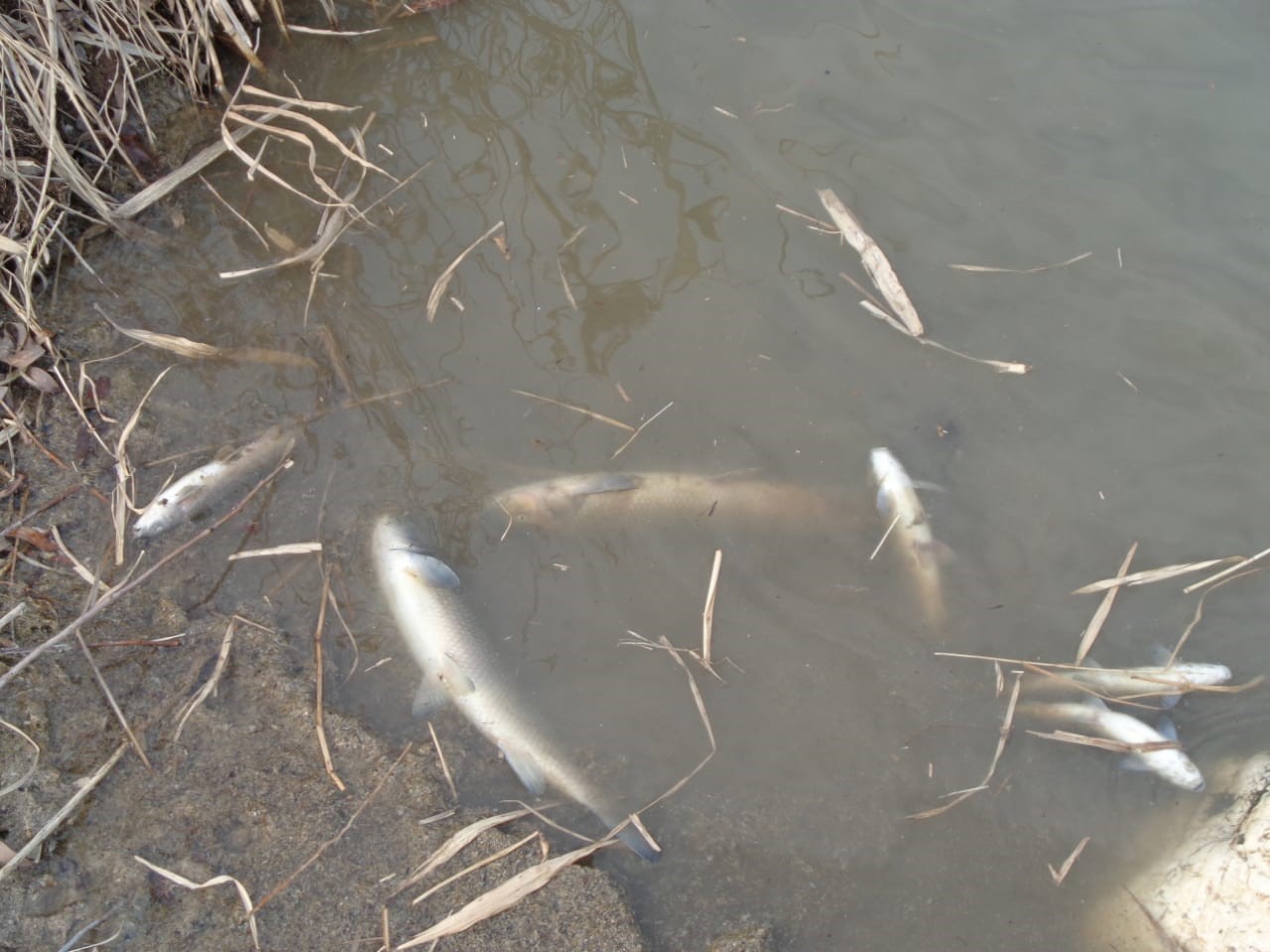
In 2021, Azerbaijani monitoring recorded a mass die-off of fish in the Okhchuchay. In one of the episodes, according to the Ministry of Ecology and Natural Resources of Azerbaijan, more than 500 dead fish were found, including valuable species. Analyses of water samples showed that the regulatory indicators for a number of heavy metals, including copper, molybdenum, manganese, iron, zinc, and chromium, were exceeded many times over.
Azerbaijani specialists point to a link between the pollution and the industrial enterprises of the mining complex located on the territory of Armenia, in particular the Kajaran copper-molybdenum enterprise and the Kapan copper ore plant.
Moreover, this was not a matter of one random measurement. The monitoring results reported elevated concentrations of various metals on different dates in 2021. In particular, it was indicated that the nickel content in individual samples exceeded the standard several times over, and substantial exceedances were recorded, in particular, for iron, manganese, cadmium, molybdenum, and others. Part of the research was conducted with the involvement of the internationally accredited SGS laboratory in Germany.

There is one more important point here. The pollution of a river is not only a question of water quality in a particular stretch. It is a question of the condition of the entire ecosystem. Heavy metals are capable of accumulating in bottom sediments and living organisms, affecting aquatic flora and fauna, and changing the ecological state of the river for a long period.
From this perspective, the Okhchuchay can be viewed as a vivid example of how the environmental problem of one country turns into the environmental problem of another. And it is precisely here that the logic of "this is our internal problem, and we will decide ourselves what to do with it" comes to an end. If a river crosses a border, then the consequences of economic activity in its upper stretch become a matter of legitimate interest for the state located downstream.
Biodiversity does not begin in a conference hall
The main concept of COP17 in Yerevan is "To act for nature." The participants will have to assess the real progress of countries in implementing the Kunming-Montreal Global Framework, adopted with the goal of halting and reversing the loss of biodiversity. But biodiversity cannot be preserved exclusively through declarations.
It begins, for example, with water. With the condition of rivers. With the quality of lakes. With the protection of fish resources. With whether industrial effluent enters a transboundary river. With whether artesian wells are controlled. With whether the state system is capable of detecting violations in time and preventing damage.
That is precisely why the environmental soundness of the host country of such a forum inevitably becomes part of the very conversation about COP17.
Armenia has the right to claim the role of a platform for international environmental dialogue. But along with the right to such a role comes heightened responsibility. A country hosting representatives of 196 states and international organizations in effect becomes, for a certain time, a showcase of the global environmental agenda. And a showcase, as is well known, must correspond to what is inside.
Of course, it would be wrong to assert that environmental challenges exist only in Armenia. The South Caucasus as a whole faces the consequences of climate change, water shortages, river pollution, and so on. But precisely for this reason, regional environmental policy must be built on transparency, monitoring, and cooperation.
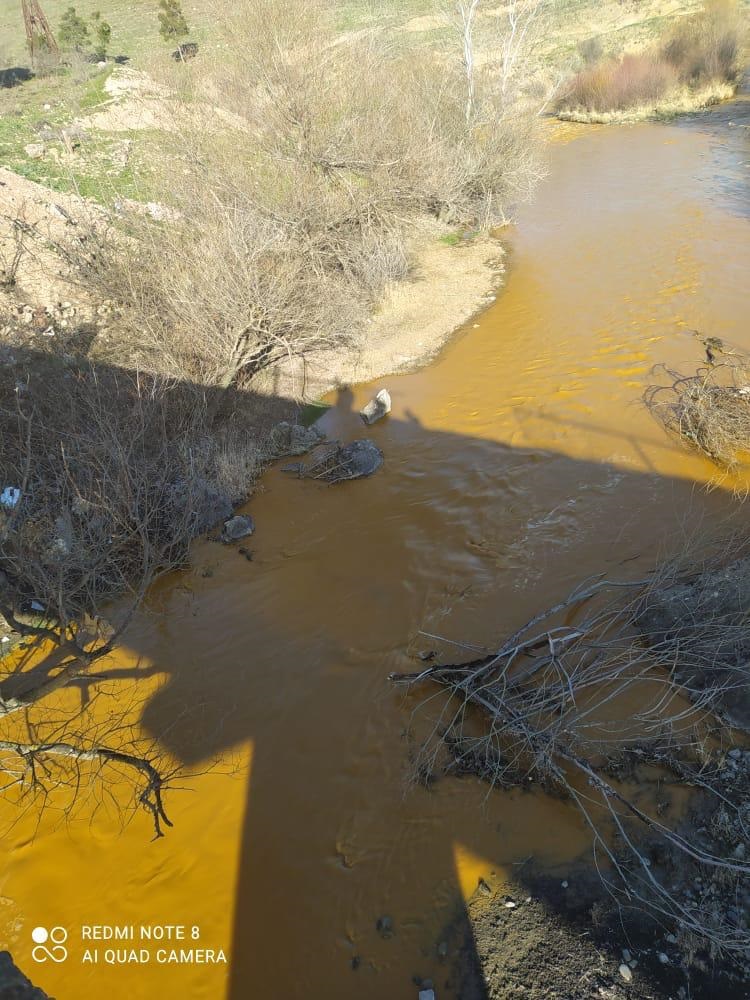
And here a fundamental question arises: how ready is Armenia for such an approach? If hundreds of deep wells operated without permits are being discovered in the country; if international financial institutions are recording the depletion of groundwater, a high level of water stress, and enormous losses in irrigation systems; if transboundary rivers are becoming the subject of serious environmental claims by a neighboring state, then the problem requires not only fine international rhetoric, but also much stricter internal environmental discipline.
Ultimately, the question that arises in connection with COP17 does not come down to whether Armenia is worthy of hosting an international conference. It is worthy — if the international tribune becomes an incentive for it to put its own house in order first of all, if the conversation about biodiversity is accompanied by effective control, and if environmental commitments become part of state practice.
Nature does not recognize political borders. Neither does pollution. Therefore, the real test of Armenia's environmental responsibility will take place not on the tribune of COP17, but much further away — where the river begins, where an industrial facility discharges its effluent, and where the transboundary ecosystem continues its course already on the territory of a neighboring state.
And it is precisely on how ready Armenia will be to answer for these processes at the level of concrete actions that the answer to the main question will depend: is Yerevan really a suitable place for a conversation about the future of biodiversity — or so far only a convenient backdrop for this conversation.