Herend: Two Centuries of Porcelain Art - PHOTO

In 2026, the Hungarian Herend Porcelain Manufactory celebrates its 200th anniversary.
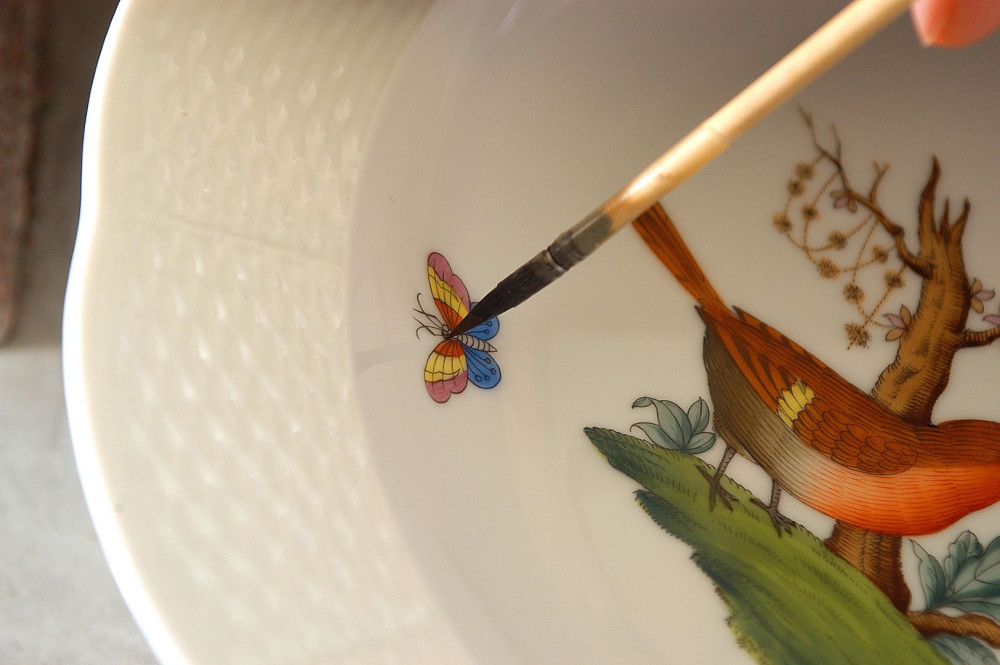
Over the past two centuries, a small workshop at the foot of the Bakony Mountains has grown into one of Europe’s best-known porcelain manufacturers, whose creations have graced royal residences and received the highest honours at international exhibitions. Throughout this time, Herend has remained faithful to the artisanal traditions that have defined its work for two hundred years. Despite advances in technology and industrial production, every piece is still made by hand, from shaping the porcelain to applying the finest details of its painted decoration.
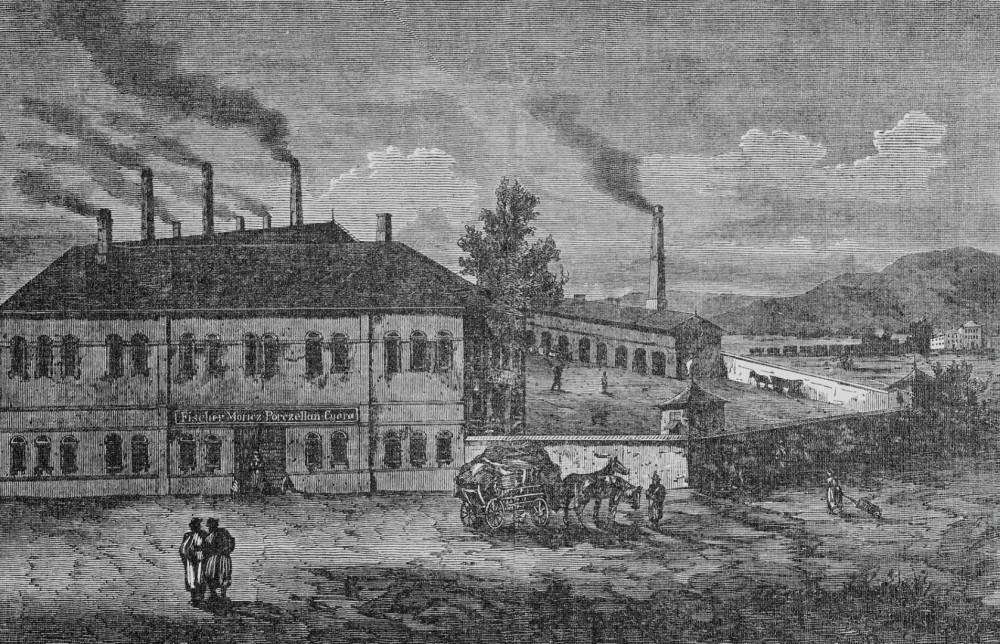
The Manufactory’s history began in 1826, when Vince Stingl established a small workshop producing earthenware and experimenting with porcelain. Herend’s rise to prominence, however, came under the leadership of Mór Fischer, who brought its work to international attention. A turning point was the Great Exhibition of 1851 in London, where the creations of Hungarian artisans received high praise from experts and attracted the attention of Europe’s royal courts. Queen Victoria was among the visitors and commissioned a Herend porcelain dinner service for Windsor Castle. The order marked the beginning of the Manufactory’s close association with royal households and helped establish its reputation.
Recognition at the Great Exhibition in London in 1851 marked the beginning of Herend’s international success. In the decades that followed, the Manufactory received numerous prestigious awards at exhibitions in Paris, New York, St. Louis and other cities. In 1872, it was granted the title of Purveyor to the Imperial and Royal Court of the Austro-Hungarian Monarchy. Herend’s international standing continues to this day: since 2011, the Manufactory has been a member of Comité Colbert, the prestigious French association of luxury houses.
Yet Herend’s history is not defined by international awards and royal commissions alone. Over two centuries, its artisans have developed a distinctive artistic language expressed through thousands of decorative designs. Today, the Manufactory’s heritage comprises more than 4,000 registered patterns and 16,000 forms, many with histories linked to prominent European dynasties and notable figures.
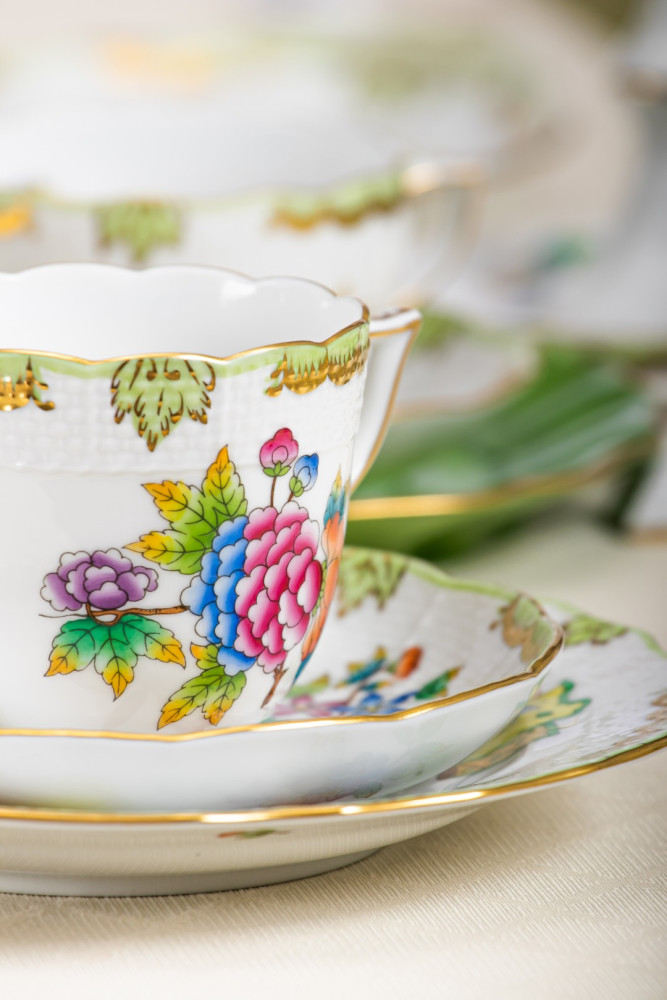
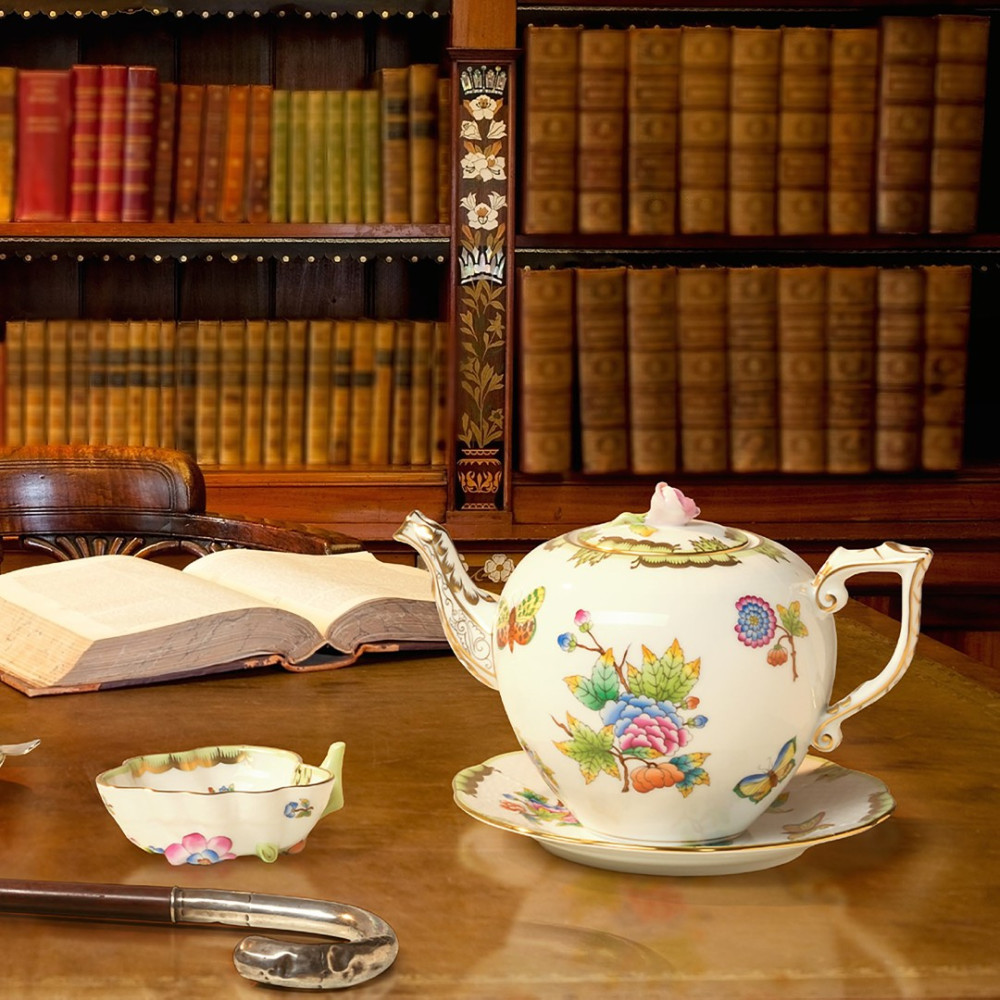
One of Herend’s most recognisable patterns bears the name of Queen Victoria. At the Great Exhibition in 1851, she was drawn to a dinner service decorated with a Far Eastern-inspired design of colourful butterflies, peonies and flowering branches. Commissioned for Windsor Castle, the service was subsequently named Victoria, and the pattern became one of the Manufactory’s best known. Its rich colour palette and intricate composition remain a feature of Herend porcelain to this day.
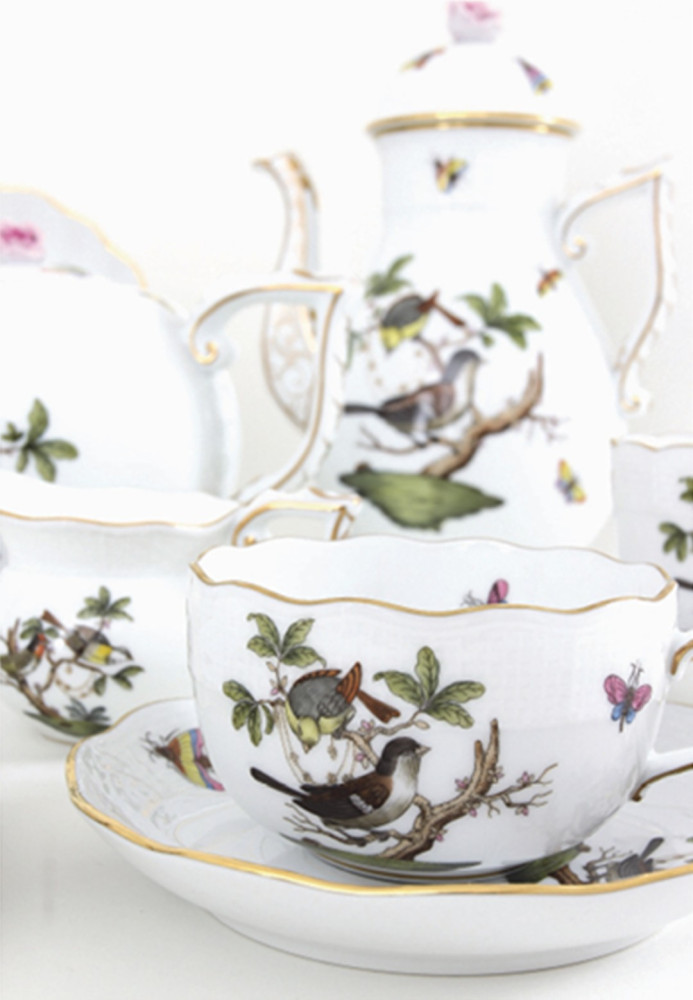
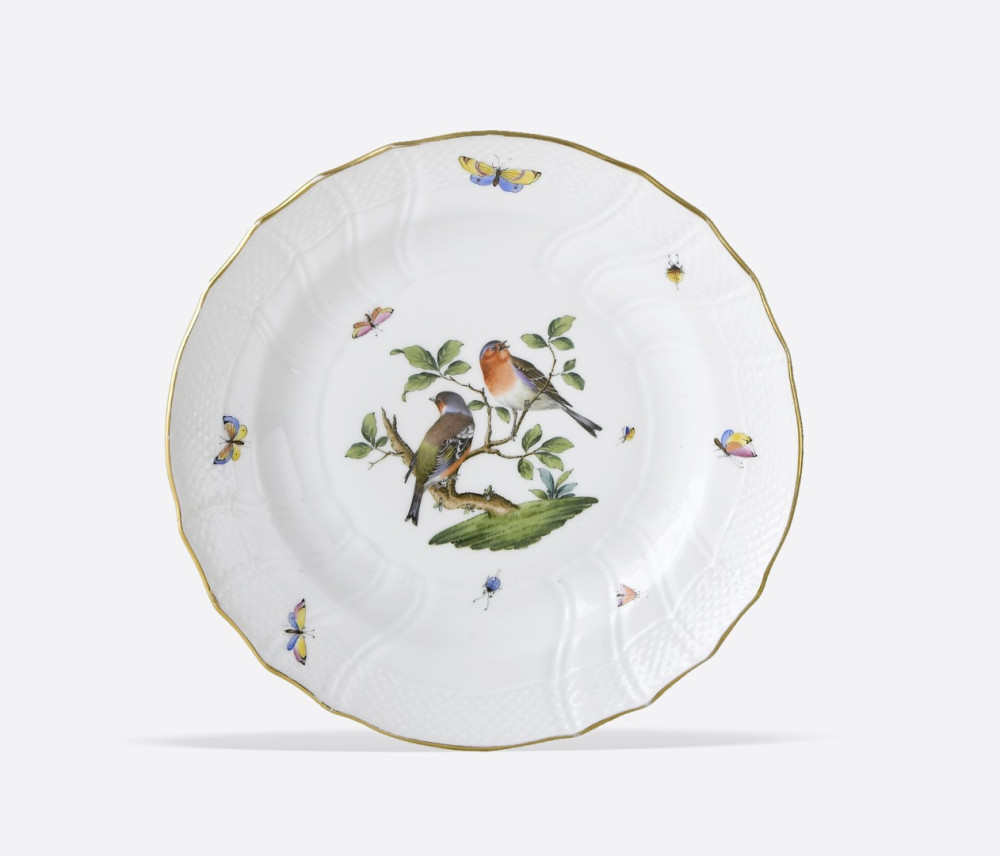
Another celebrated pattern, Rothschild, dates to the 1860s and is associated with the Rothschild family. It depicts pairs of birds perched on tree branches, surrounded by butterflies and small insects. One distinctive detail is a delicate gold chain draped over the branches. According to family legend, Baroness Rothschild once lost a precious necklace, which was later found in the garden, where songbirds had been playing with it. The episode inspired a design that has become one of Herend’s signature patterns.
Other historic Herend designs are equally noteworthy: the restrained Apponyi pattern, created at the request of Count Albert Apponyi; Gödöllő, associated with Empress Elisabeth, known as Sisi; the finely crafted openwork Humboldt service, presented to the renowned naturalist; as well as Esterházy and the many variations of the VH patterns.
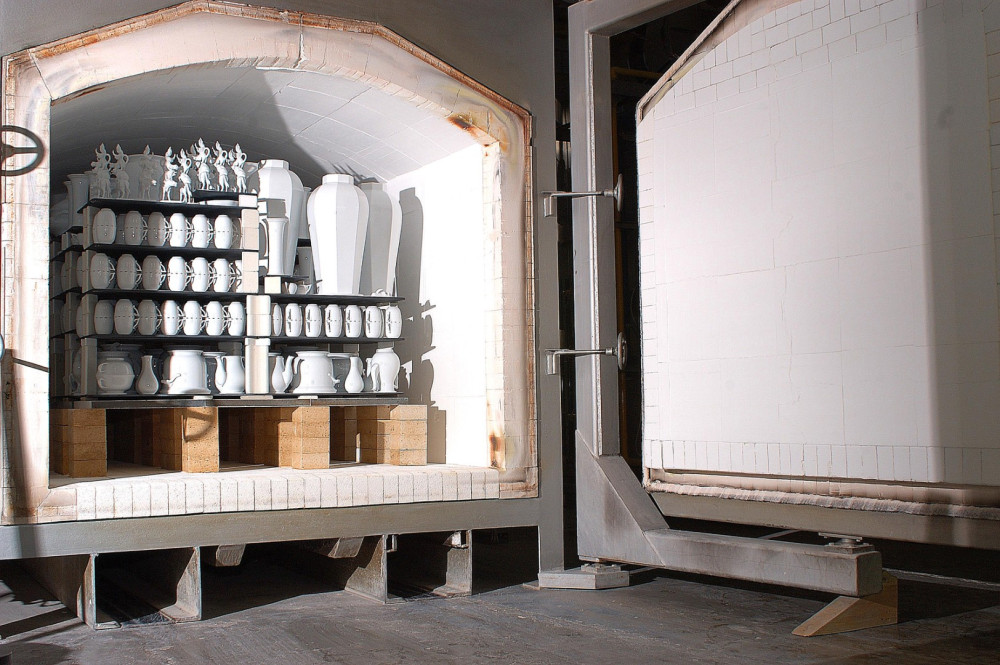
Each of these designs reflects a particular chapter in Herend’s history, yet all share the same approach to production. Over two centuries, the Manufactory has never adopted mechanised mass production. From preparing and shaping the porcelain to painting the smallest details of each pattern, every stage remains in the hands of skilled artisans. This commitment to traditional techniques allows historic designs to be reproduced with the same care with which they were created more than a century ago.
Today, Herend porcelain is found not only in museum collections and historic residences. Patterns once created for European monarchs and aristocratic families also have a place in contemporary interiors. Tastes, artistic movements and approaches to table settings have changed over the past two hundred years, yet Herend’s traditional designs have retained their relevance. It is this continuity, connecting the Manufactory’s past with the present, that defines the significance of its two-century heritage.
Herend collections are available at the Ambiance boutique.
Address: 5A, 28 May Street, Baku, Azerbaijan.
Contact telephone: +994 (12) 498-62-94
In Azerbaijan, Herend is represented exclusively by its official distributor, Italdizain. For more information about the brand and its collections, visit: https://italdizain.az/en/brands/herend