Peace Council director general: Israel will withdraw troops from Gaza upon full disarmament of Hamas
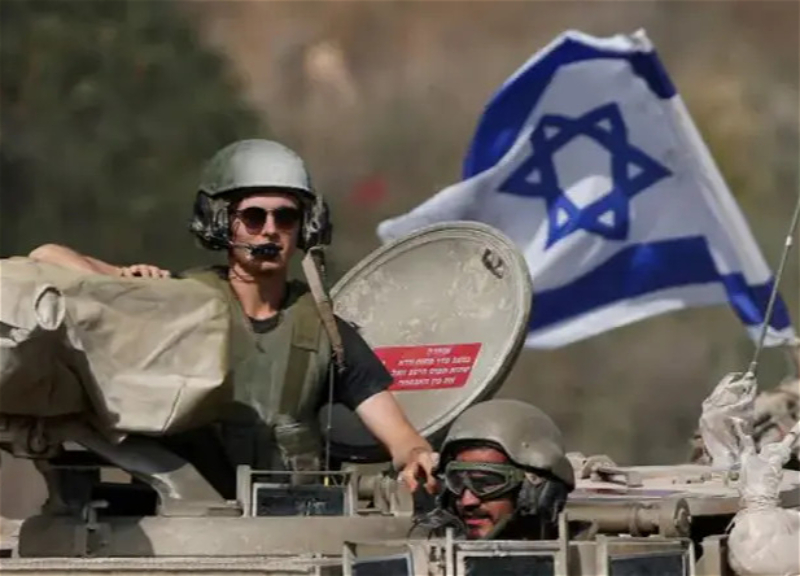
The director general of the Board of Peace for Gaza, Nickolay Mladenov, stated that Israel will withdraw its troops from the territories it occupies in the Gaza Strip if Hamas is fully disarmed.
After Israeli Prime Minister Benjamin Netanyahu announced the rejection of the "15-point plan" presented by the Board of Peace for Gaza, Mladenov gave an interview to the Israeli television station "Channel 12."
"The road map is aimed at guaranteeing that the Gaza Strip will never again pose a threat to Israel's security," Mladenov said.
According to him, the announced plan is based on three main elements: "the complete disarmament of Gaza, the transfer of administrative responsibility for Gaza to the Board of Peace through a national committee, and the deployment to the region of international security forces that will monitor the implementation of the agreement."
The new road map, presented by the Board of Peace on July 31, provides for the simultaneous implementation of the disarmament of Hamas and Israel's phased withdrawal from Gaza. However, Mladenov stated that Israel will not be obliged to begin any withdrawal until actual steps toward disarmament are taken on the ground.
"If actual disarmament takes place, weapons are taken away from the groups, stored and ultimately decommissioned, then yes, Israel will withdraw its troops from Gaza," Mladenov said.
According to him, Israel's withdrawal from the Gaza Strip will be carried out area by area. Once the disarmament process is completed in each area, the Israeli army will gradually pull back from there.
Mladenov noted that the plan does not prevent Israel from responding to any "sudden threat" to its forces.
He stated that disarmament will cover "all types of weapons," including heavy and light weaponry, tunnels, weapons production facilities, as well as groups in the Gaza Strip other than Hamas.
"In the event of a failure to fulfill the agreed obligations, or if Hamas representatives continue training and rearming, the process will be suspended and the transition to the next stage will not take place," Mladenov said.
Touching on the role of Türkiye and Qatar, Mladenov emphasized that these countries, together with Egypt, played a "decisive" role in Hamas's approval of the new road map.
Mladenov also noted that Saudi Arabia, the United Arab Emirates (UAE), Kuwait and other Gulf countries, as well as Morocco, supported the plan.
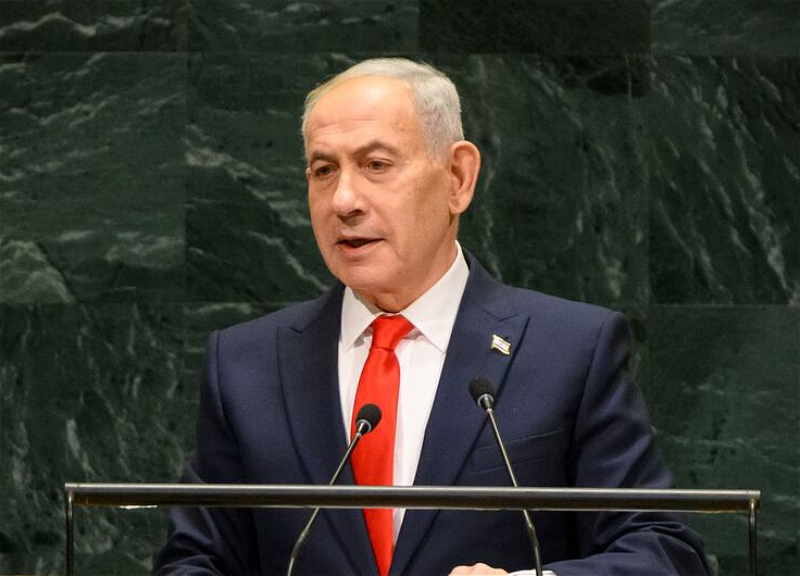
Israeli Prime Minister Benjamin Netanyahu stated the day before that Israel had rejected the 15-point plan presented by the Board of Peace for implementing the second stage of the ceasefire in Gaza.
Road map for the second stage of the ceasefire announced
The High Representative of the Board of Peace for Gaza, Nickolay Mladenov, had earlier stated that Hamas agreed to a detailed road map for implementing the second stage of the ceasefire agreement.
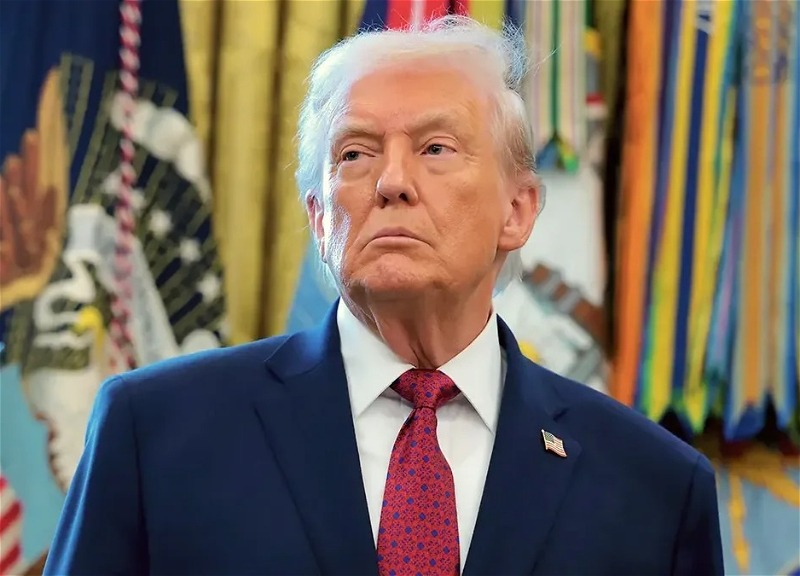
U.S. President Donald Trump also announced that the Board of Peace had reached an agreement with Hamas and other armed groups in Gaza on the issue of surrendering weapons.
Hamas reported that it views positively the negotiation process together with Palestinian groups, as well as the mediators' proposals for completing the second stage. Hamas emphasized that the main condition is for Israel to halt attacks and to draw up a timetable for implementing the agreed provisions, and that the implementation of the second stage depends on Israel fully fulfilling its obligations in the first stage.
The National Committee for the Administration of Gaza also announced the completion of institutional and operational preparations for assuming the administration of the Gaza Strip.
The first stage of the ceasefire agreement in the Gaza Strip took effect on October 10, 2025. Despite the agreement, which provided for an exchange of prisoners and an increase in the volume of humanitarian aid, Israel continued its attacks and restrictions on the entry of aid.
Source: Anadolu