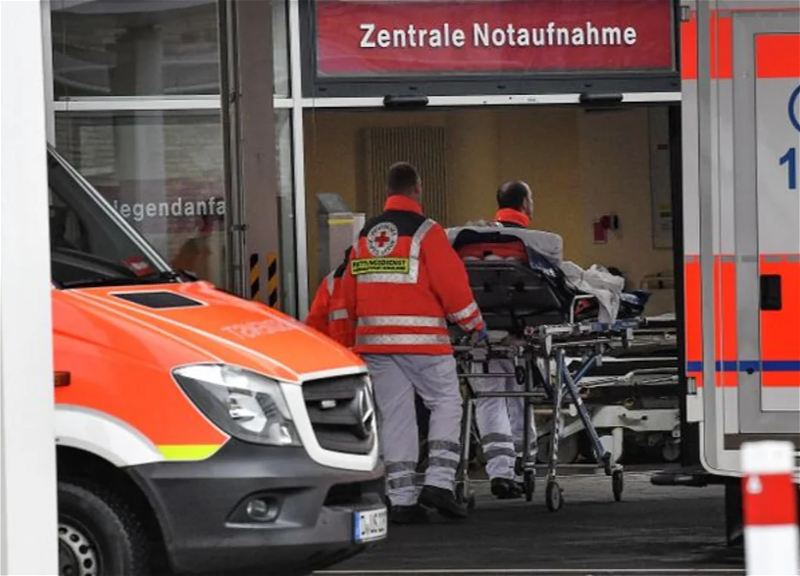
A new wave of the fuel crisis in Russia: gasoline is getting more expensive, lines are back at gas stations, and there are even disruptions with motor oil
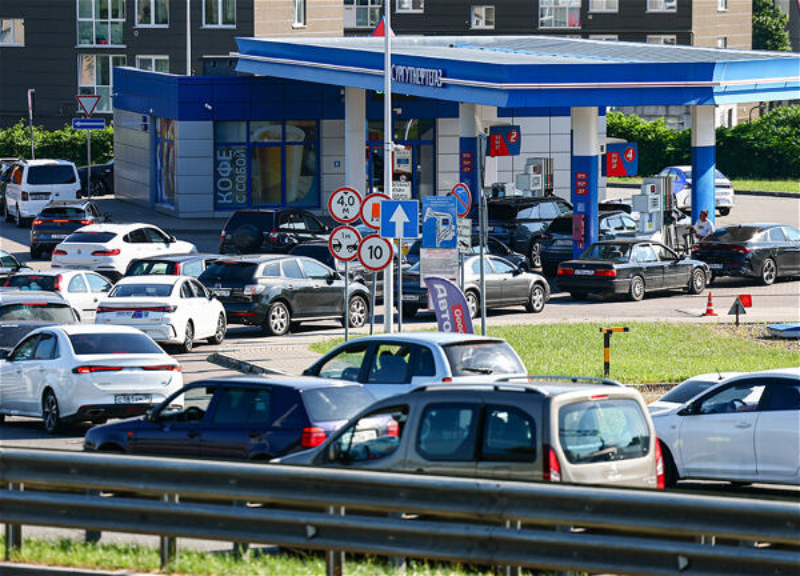
According to Rosstat, between August 11 and 17, gasoline prices rose in 40 regions of the country.
The largest increase — 8.1% — was in Krasnoyarsk Krai. In another 20 regions of the Russian Federation, prices fell (most sharply in Tyva, by 3.6%). In total, from the beginning of the year through July 12, the cost of AI-92 and AI-95 gasoline at gas stations rose by an average of 7.4%, Kommersant wrote, citing data from the Central Dispatching Department of the Fuel and Energy Complex. Diesel fuel became 12.1% more expensive.
There are problems not only with gasoline prices, but also with its availability. In Moscow and St. Petersburg, some chains have again introduced limits on fuel sales. In both cities, Tatneft gas stations dispense up to 50 liters of gasoline and up to 60 liters of diesel per customer. At Gazprom Neft stations — up to 60 liters of gasoline (with no limits on diesel). Lines at Moscow gas stations began to appear as early as the weekend. Rossiyskaya Gazeta wrote that Muscovites get up at five in the morning in order to fill up without waiting in line.
In total, according to the BenZinMap portal, which tracks the gasoline situation in the country using open sources, by August 20 strict restrictions on fuel sales had been introduced in at least 59 regions. In another 17 regions of the Russian Federation, local disruptions or a noticeable rise in prices are being observed. As of August 16, according to the GdeBenz app, gasoline and diesel fuel were available at only 28% of Russian gas stations.
Russian media write that the second large-scale wave of the fuel crisis is affecting the country unevenly. As in June, complaints about fuel shortages most often come from the regions of Siberia. For example, in the Bodaibinsky District of the Irkutsk Region, gasoline supplies could run out within a month, and no new deliveries are expected so far. Shortages are also observed in Krasnodar Krai, the Tambov and Astrakhan Regions. And in the Samara Region, the already existing restrictions on fuel sales have been extended, although selling fuel in canisters has been permitted.
Back in July, the media reported that as part of efforts to combat the crisis, Russia had begun importing fuel from other countries, including India and Morocco. On August 20, the St. Petersburg International Mercantile Exchange held the first sales of imported gasoline — at a price of 80 rubles per liter. Russian fuel traded at an average of 54 rubles. It is not yet known how strongly this may affect the overall price level.
Amid the new wave of the fuel crisis, disruptions have also arisen in motor oil supplies. There is no shortage yet, but some items have disappeared from sale, delivery times have increased, and prices in some segments have risen by 40%. Moreover, this concerns a shortage of both imported and Russian oils. The disruptions are caused by the suspension of some refineries due to drone strikes, as well as by a shortage of imported additives needed for production.
At the end of July, after a short break, Ukraine again began striking Russian oil refining enterprises. Because of these attacks, at least three refineries have suspended operations over the past month: in Tyumen and Ryazan (according to Reuters sources), as well as in the city of Orsk in the Orenburg Region. In the latter case, the shutdown was confirmed by the local governor. He also added that repairs would take up to six months and that the region would have to rely "on imported fuel."
In addition, over the past few weeks there have been reports of drone strikes on refineries in Volgograd, Saratov, Yaroslavl, Nizhnekamsk, the Samara Region, Krasnodar Krai, and Bashkortostan. As a rule, fires broke out at the attacked facilities.
Source: Meduza