The Azerbaijani manat turns 34
Thirty-four years have passed since the Azerbaijani manat was put into circulation.
As Report recalls, after Azerbaijan gained independence at the end of the last century, the foundation for the creation of the Azerbaijani manat was laid by the decree of then-President Abulfaz Elchibey "On the issuance of the national currency into circulation" of July 15, 1992.
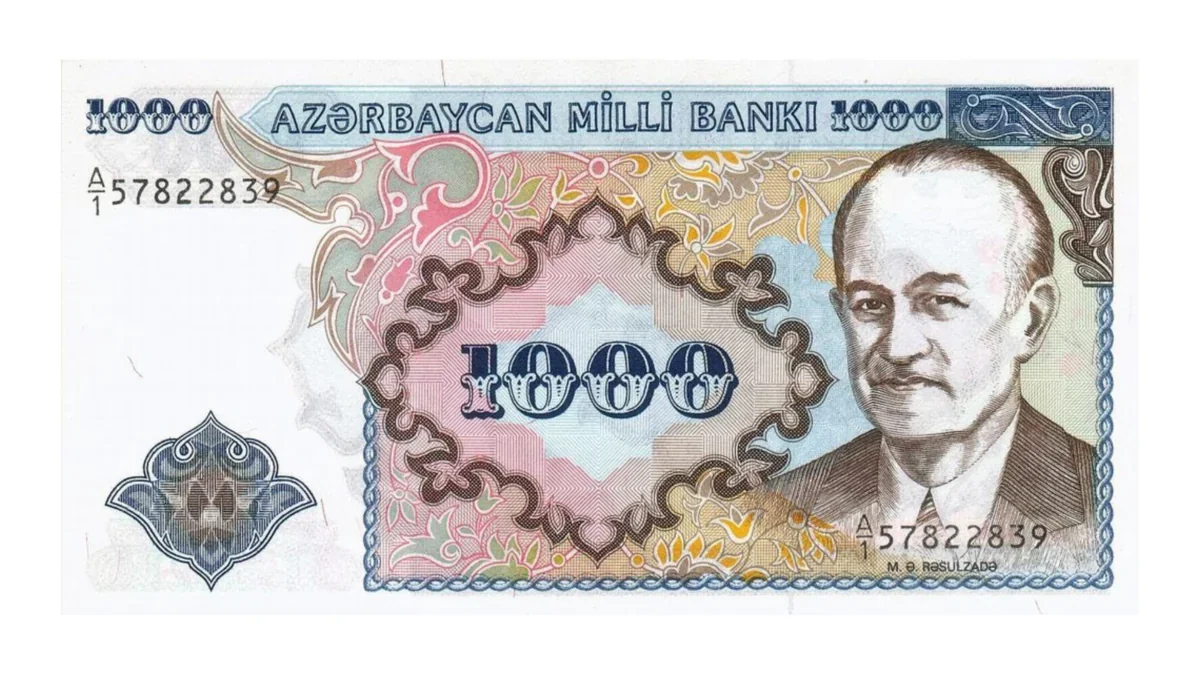
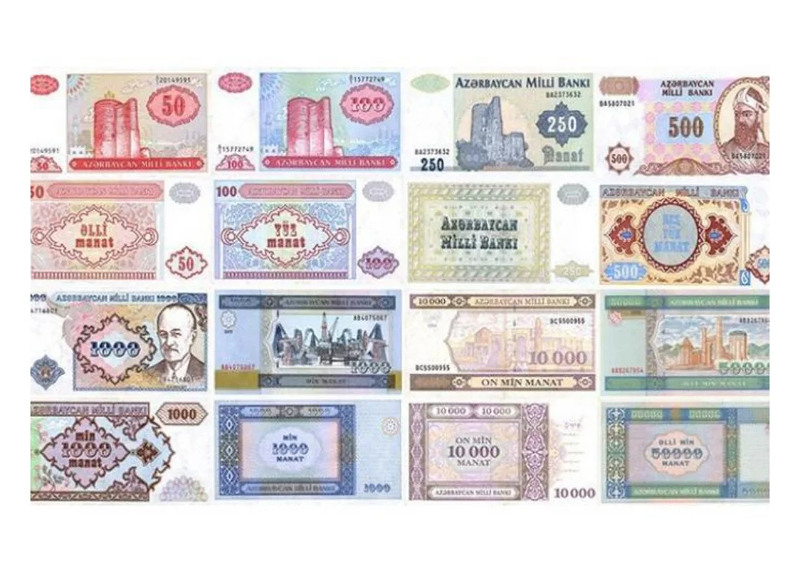
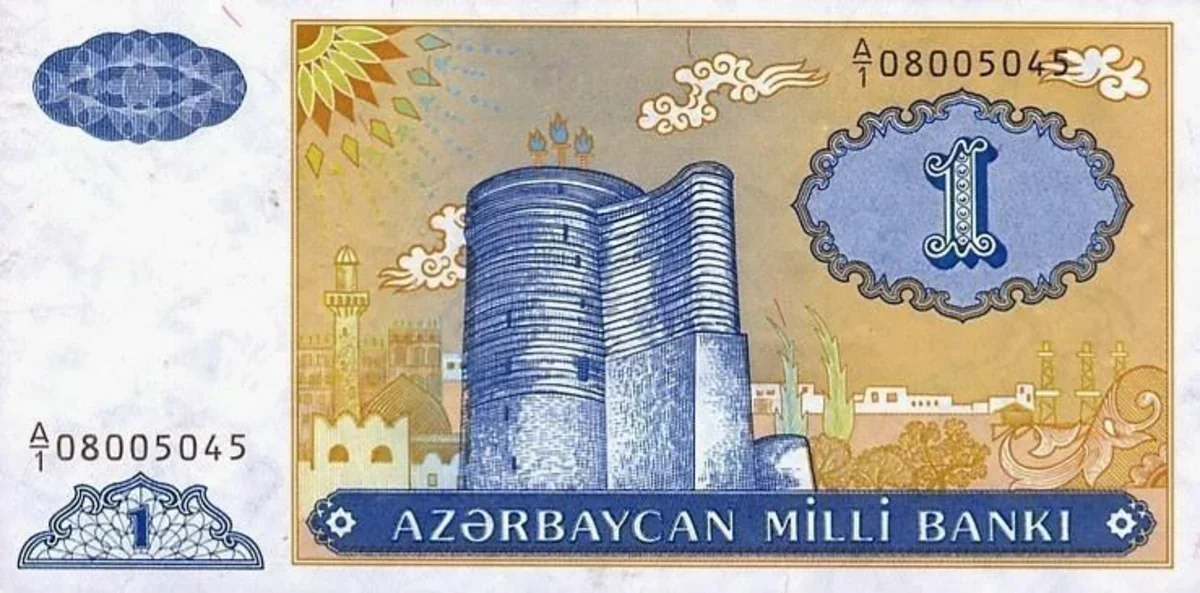
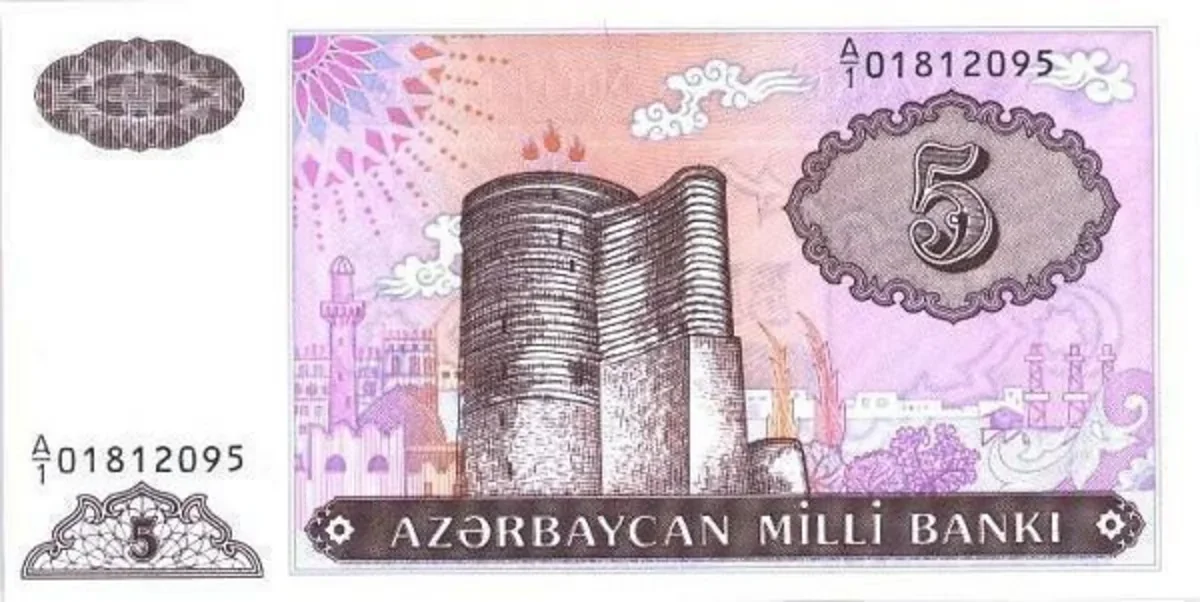
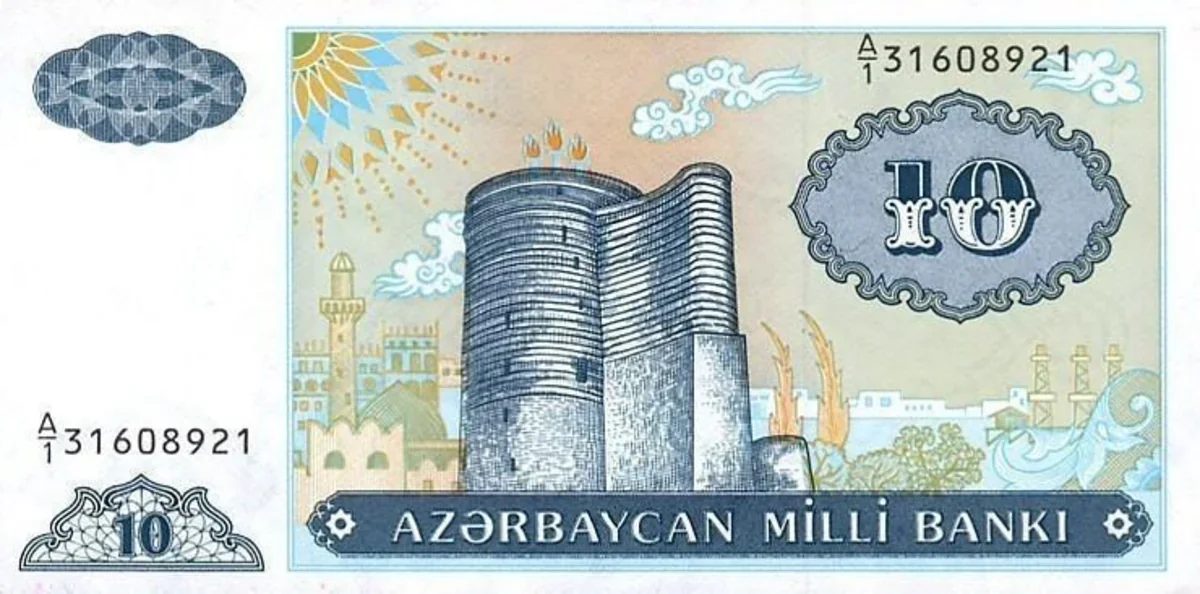
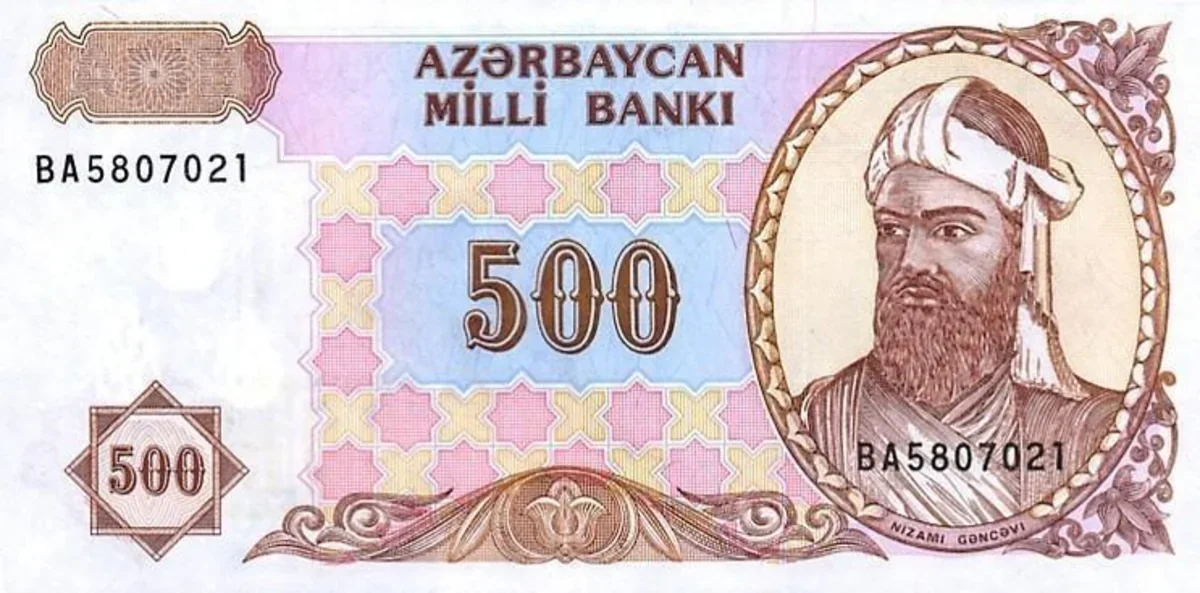
In August 1992, banknotes in denominations of 1, 10, and 250 manats were put into circulation, in November — coins in denominations of 5, 10, 20, and 50 gapiks, in December — banknotes in the denomination of 5 manats, and in March 1993 — banknotes of 50, 100, 500, and 1,000 manats. Azerbaijan's first money was printed by the Central Bank of France. From August 1992 to January 1994, both manats and rubles were in circulation on the country's territory, with 1 manat being equivalent to 10 rubles. By the decree of President Heydar Aliyev of December 11, 1993, "On declaring the national currency the sole means of payment on the territory of the republic," Azerbaijan left the ruble zone. Thus, the National Bank began to implement an independent monetary and exchange rate policy.
Nevertheless, in the difficult economic conditions of that time, it was impossible to maintain a stable exchange rate for the national currency. The manat rapidly depreciated against other foreign currencies. While at the beginning of 1994 one dollar cost 118 manats, a year later this ratio had risen to 4,182 manats. This was accelerated by the introduction into circulation of banknotes of larger denominations. Thus, in 1994 a banknote with a denomination of 10,000 manats was put into circulation, and in 1996 — 50,000 manats.
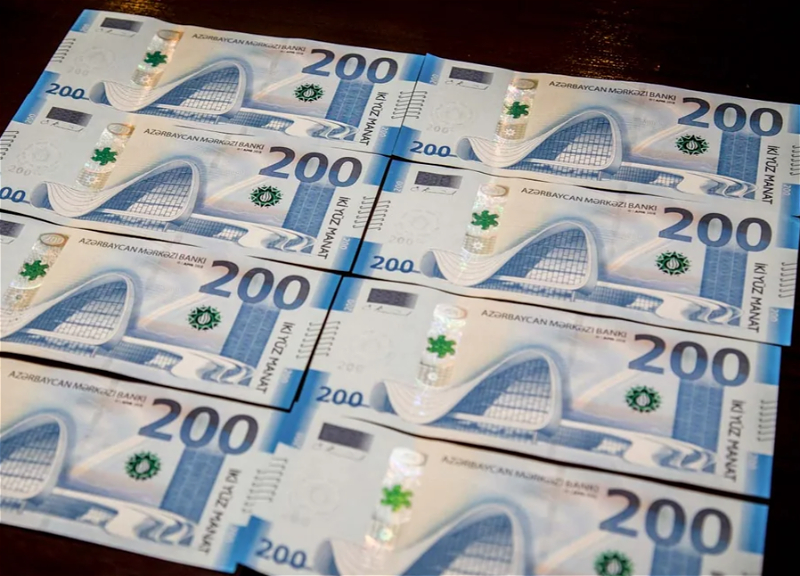
On February 7, 2005, President Ilham Aliyev signed a decree on the denomination of the national currency. In accordance with the decree, the use of new manats began on the territory of Azerbaijan on January 1, 2006. The denomination was carried out at a ratio of 1:5,000, and for a year the old and new money circulated in parallel. From January 1, 2007, Azerbaijan fully switched to the new manat. Banknotes in denominations of 1, 5, 10, 20, 50, 100, and 200 manats and metal currency signs in denominations of 1, 3, 5, 10, 20, and 50 gapiks were put into circulation.
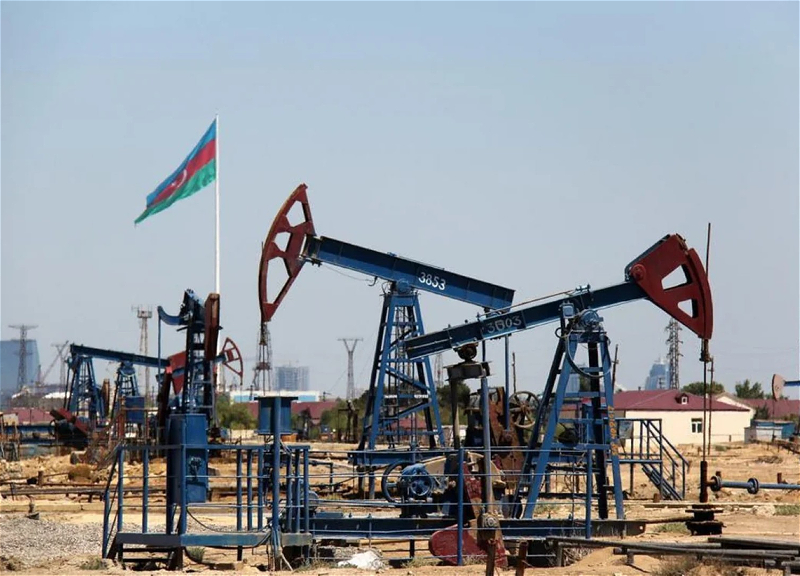
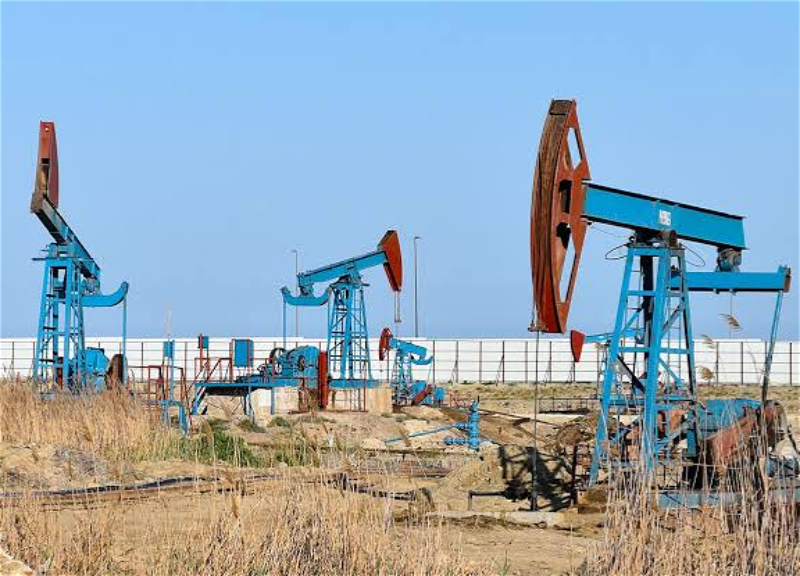
The design of the new manat was created by the designer of the Austrian company OeBS, the author of the euro, Robert Kalina. The new-generation currency signs were printed with the technical support of the National Bank of Switzerland. For many years, the Azerbaijani manat remained the strongest and most stable currency of the South Caucasus, however, 20 years later — on February 21, 2015 — it underwent a sharp change in its exchange rate. On that day, the Central Bank of Azerbaijan announced the devaluation of the national currency by 34%. The reason was the sharp decline in oil prices on the world market. Ultimately, the official dollar exchange rate rose from 0.78 to 1.05 AZN/USD. It was not possible to maintain the rate for a long time against the backdrop of the continuing fall in oil prices and the decline in the dollar supply entering the country.
On December 21, 2015, the CBA, as a way out of the situation, decided to switch to a floating exchange rate regime. The official rate rose to 1.55 AZN/USD. In the new situation, the exchange rate of the dollar and other foreign currencies against the manat is determined depending on the demand for the national currency. For example, the highest rate after the transition to the floating exchange rate regime was recorded on February 1-2, 2017, when one dollar traded at 1.92 manats. On May 25-26, 2016, the value of the dollar fell to its minimum value — 1.49 AZN/USD.
Today the official rate is 1.7000 AZN/USD, and this rate has remained unchanged since March 7, 2018.